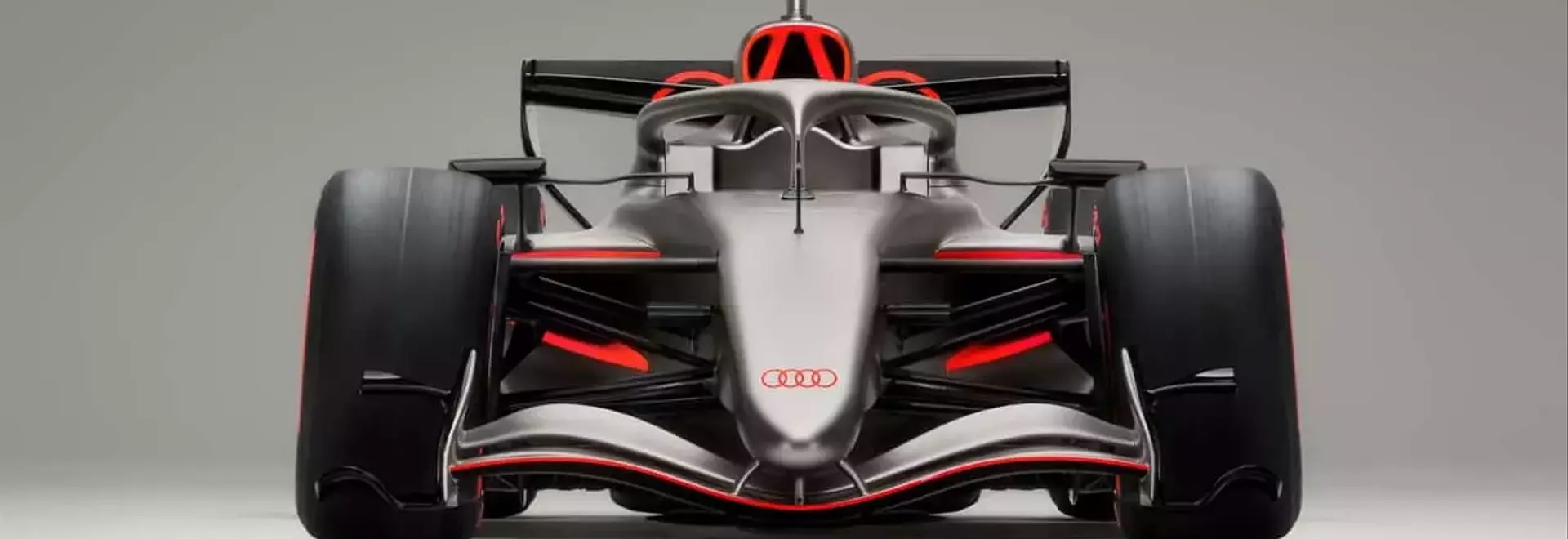
Formula 1 Eyes Return to V8 Engines by 2030
Cars

Formula 1 Eyes Return to V8 Engines by 2030

authorBy Chris Harris
DateMay 05, 2026
Read Time2 min

Formula 1 is poised to reintroduce V8 engines, marking a notable departure from its current V6 hybrid era. The International Automobile Federation (FIA) intends to implement this change by 2031, with a strong possibility of an earlier return in 2030 if powertrain manufacturers agree. This strategic move aims to simplify engine architecture and enhance the auditory experience of the sport, addressing concerns that the current highly electrified V6 units have detracted from the thrill of racing. FIA President Mohammed Ben Sulayem has expressed confidence in this transition, highlighting the desire for less complex and lighter power units, a sentiment he believes is shared across the motorsport community.

During the Miami Grand Prix, FIA President Mohammed Ben Sulayem conveyed his certainty regarding the comeback of V8 engines, stating that it is "a matter of time." He emphasized the organization's preference for power units that are less intricate and burdensome compared to the existing 1.6-liter V6 hybrid systems. This initiative is driven by a desire to bring back the distinct sound and reduce the overall complexity of Formula 1 powertrains. The president anticipates that a vote among manufacturers will likely support this change, noting that there's widespread demand for it. Even without immediate manufacturer consensus, the FIA is prepared to mandate the shift to V8 engines by 2031, underscoring their commitment to this new direction.

The move to re-embrace V8 engines is expected to include a minimal level of electrification, a detail that Ben Sulayem revealed would be further elaborated upon shortly. This approach seeks to balance modern technological advancements with the traditional characteristics of Formula 1. The current V6 hybrid power units, introduced for the 2026 season, have been heavily reliant on electrification. The proposed return to V8s, even with slight electrification, is widely seen as a positive step towards revitalizing the sport's appeal, particularly for enthusiasts who have critiqued the V6 hybrid era for its impact on racing dynamics and engine sound.

This impending change signals a potential renaissance for Formula 1, aiming to recapture the essence and excitement that many believe have been diminished by overly complex and quieter power units. The shift back to V8 engines, even with minor electrification, is a direct response to the call for a more engaging and traditional racing experience. It reflects a strategic re-evaluation by the sport's governing body to prioritize sound, simplicity, and a lighter design, which are widely considered crucial elements for improving the overall quality of racing.

More Articles
Cars
Honda to Extend Production of Key Models Through Decade's End
Honda has announced plans to prolong the production of several popular models, including the Odyssey, HR-V, Accord, Integra, and MDX, through the end of the decade, with some new generations arriving in the early 2030s. This strategic decision aligns with the automaker's shift towards hybrids and aims to optimize resource allocation for efficient combustion powertrains, despite some models experiencing recent sales declines.
By Akira MarutaMay 05, 2026
Cars
Volkswagen Golf R 24H Concept Car Revealed
Volkswagen has partnered with Max Kruse Racing to develop a track-ready Golf R, set to compete in the 2027 24h Nrburgring race. The Golf R 24H concept previews this upcoming race car, showcasing a massive front lip, wider fenders, and a substantial wing. While technical details remain under wraps, the vehicle will feature all-wheel drive and mark the 25th anniversary of Volkswagen's "R" badge.
By Michele AcquaragiaMay 05, 2026
Cars
Honda and Acura Delay Next-Generation Models Amidst EV Strategy Shift
Honda and its luxury division, Acura, are reportedly delaying the release of next-generation versions for several key models, including the Odyssey, Accord, HR-V, MDX, and Integra. This decision follows Honda's recent cancellation of three EV projects and a significant financial write-off. The delays, some extending until the early 2030s, signal a shift in the brands' product strategy, potentially focusing more on hybrid technologies.
By Michele AcquaragiaMay 05, 2026
Cars
Jackson Racing Supercharged Focus ZX3: A Detailed Analysis
This article from the April 2002 issue of Car and Driver examines the Jackson Racing supercharged Ford Focus ZX3. It details Oscar Jackson's tuning philosophy, the technical specifications of the supercharger kit, and the performance gains achieved. The review compares the modified Focus to a stock model and Ford's own SVT Focus, highlighting the strengths and limitations of the aftermarket upgrade in enhancing daily driving performance rather than outright racing capabilities.
By Dan NeilMay 05, 2026
Cars
Ford's Upcoming Electric Mid-Size Pickup: First Look and Development Insights
Ford recently offered a sneak peek into its upcoming affordable electric mid-size pickup truck, expected to launch next year. Journalists were given a brief, camouflaged glimpse of the vehicle at Ford's new Electric Vehicle Development Center in Long Beach, California. The new truck will integrate traditional pickup aesthetics with advanced EV technology, built on the versatile Universal Electric Vehicle (UEV) platform, which prioritizes modular design and repairability. This initiative underscores Ford's commitment to delivering accessible electric vehicles and attracting top talent in the EV sector.
By Akira MarutaMay 05, 2026