Honda to Extend Production of Key Models Through Decade's End
Honda is set to extend the production lifespan of several key models, including the Odyssey minivan, HR-V, Accord, Acura Integra, and MDX, until the close of the current decade. This move appears to be a strategic alignment with the company's broader transition towards hybrid vehicle technology, allowing for the reallocation of resources towards the development of advanced combustion powertrains. Despite recent sales fluctuations for some models, this decision underscores Honda's commitment to its established vehicle lineup while navigating an evolving automotive landscape.
Honda's Extended Production Plan: Core Models to Remain Until 2030s
In a significant announcement, Honda has communicated to its suppliers its intention to keep several of its beloved models in production for an extended period, pushing their availability through the end of the decade and, in some cases, into the early 2030s. This strategic timeline was revealed through an internal memo reviewed by Automotive News, outlining the future of key vehicles in both the Honda and Acura lineups.
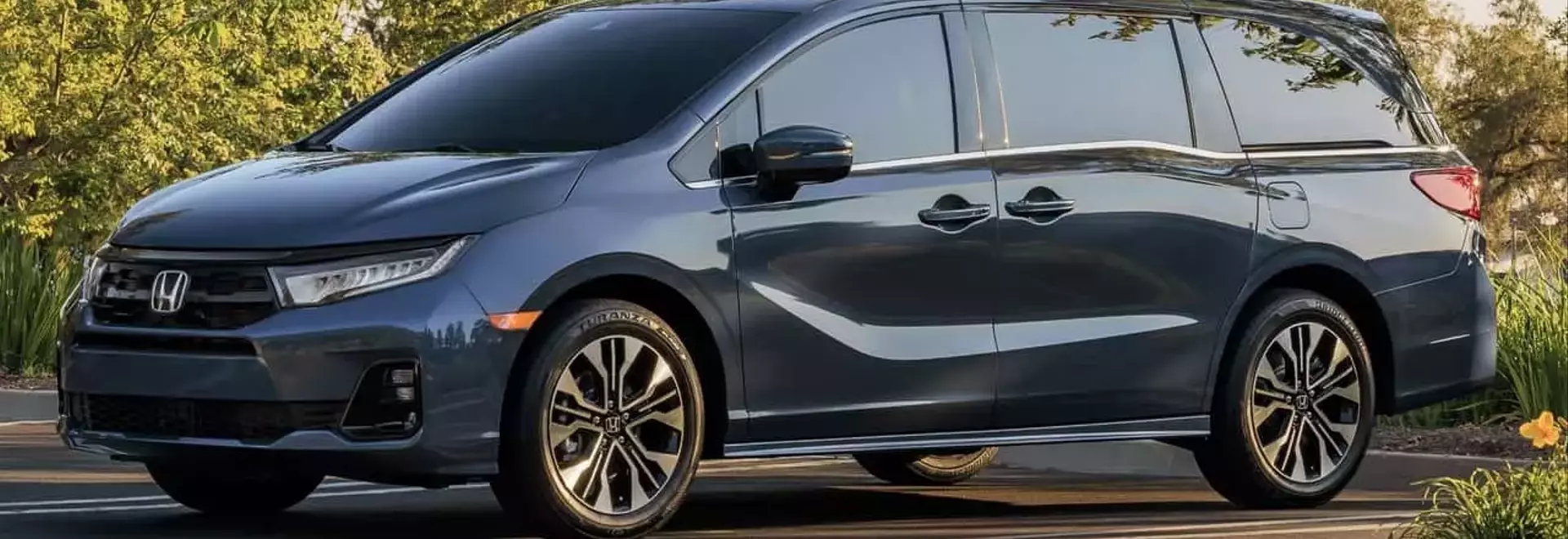
The family-friendly Honda Odyssey minivan, which first launched its fifth generation in 2018 and has since received two significant updates, is now slated for its next-generation arrival in March 2030. This decision comes after earlier considerations to potentially discontinue the model, highlighting Honda's renewed commitment to its minivan segment. Similarly, the Honda HR-V, a relatively newer model having debuted in 2023, will also see its production extended. The popular Honda Accord is expected to undergo a transformation, potentially becoming a hybrid-only offering by 2030, with its next-generation timeline yet to be disclosed. It’s worth noting that the current Accord also began its sales in 2023.
For Honda's luxury arm, Acura, the current Integra and MDX models will continue to be offered. Enthusiasts can anticipate an updated Integra in early 2032 and a new MDX generation by early 2031. This extension of model lifecycles comes amidst a period of strategic re-evaluation for Honda, which recently announced a shift in focus from electric vehicles back towards hybrid technologies. This pivot is a costly endeavor, and by extending the production of existing, successful models, Honda can strategically manage its resources, investing more in the research and development of efficient new combustion and hybrid powertrains.
While this news provides stability for current models, recent sales figures present a mixed picture. Honda's April sales report showed a decline for some of these extended models, with Odyssey sales dropping 23.0 percent for the month and 18.4 percent year-to-date. HR-V sales also saw a decrease, down 11.8 percent in April and 21.1 percent for the first four months of 2026. However, the Accord experienced a robust month, with sedan sales surging by 42.5 percent, and a year-to-date increase of 27.5 percent. Acura's Integra also performed strongly, with sales up 27.1 percent, making it the brand's second-best-selling model for April, narrowly surpassing the RDX crossover. MDX sales saw a slight dip of 0.4 percent for the month, but both Integra and MDX maintain positive year-to-date sales growth.
This move reflects a pragmatic approach from Honda, balancing the need for innovation in powertrain technology with the steady demand for its proven models. By carefully managing its existing product portfolio, Honda aims to secure a robust financial foundation for future developments in a rapidly evolving automotive industry.
