Honda and Acura Delay Next-Generation Models Amidst EV Strategy Shift
Cars

Honda and Acura Delay Next-Generation Models Amidst EV Strategy Shift

authorBy Michele Acquaragia
DateMay 05, 2026
Read Time2 min

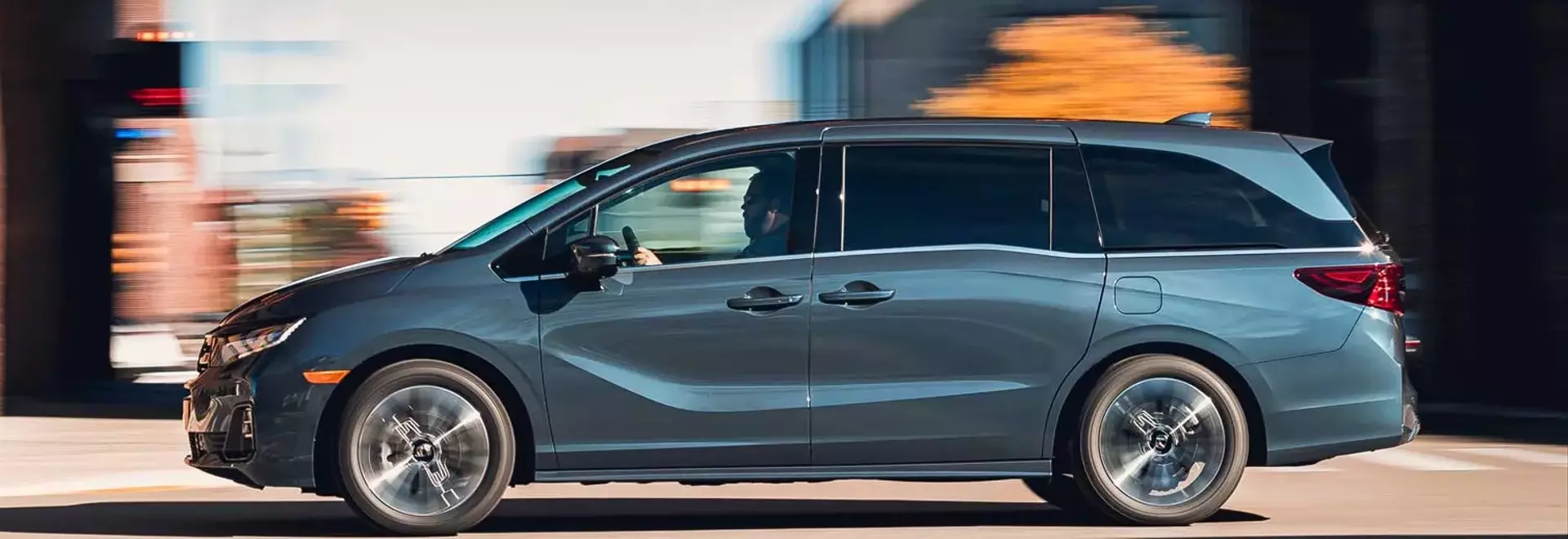
A recent report from Automotive News reveals that Honda is postponing the introduction of new generations for several prominent models, a move that follows the company's prior decision to scrap three electric vehicle initiatives. This strategic shift will impact popular vehicles from both Honda and its upscale division, Acura, with redesigns for models like the Odyssey minivan, Accord sedan, and HR-V SUV, along with Acura's MDX and Integra, now pushed back until the next decade. The manufacturer had previously incurred a substantial financial impact from discontinuing its 0-series SUV, 0-series Saloon, and Acura RSX EV plans after investing heavily in retooling facilities.

The extended timelines for these models suggest a reevaluation of future product development. For instance, the Odyssey minivan, last significantly updated for the 2018 model year, will not see its next iteration until March 2030. Similarly, the Accord, which entered its current generation in 2023, is not expected to be redesigned until at least early 2030, with speculation pointing towards a potential all-hybrid lineup for the model. The HR-V SUV's next generation is also delayed until early 2032. Acura's lineup faces even more pronounced delays; the MDX, its top-selling vehicle, is now scheduled for a new generation in early 2031, meaning the current version will be nearly a decade old. The Integra's production will also extend until March 2032, without an immediate successor outlined.

While Honda has not officially commented on specific future product plans, a company representative emphasized confidence and excitement in their product strategy, highlighting an intention to expand their award-winning hybrid technology across more models. This indicates a potential pivot towards hybrid powertrains as an interim solution or a long-term focus, especially after the setbacks in their electric vehicle development. The decision to maintain current models, like the Odyssey, also reflects a desire to retain customer loyalty and prevent migration to competing brands.

This period of adjustment presents both challenges and opportunities for Honda and Acura. By carefully recalibrating their product development, the brands can leverage existing successes and refine their approach to future mobility, ensuring sustained relevance and innovation in a rapidly evolving automotive landscape. Such strategic patience can lead to more robust and well-received next-generation vehicles, particularly as hybrid technologies continue to advance and gain market traction.

More Articles
Cars
Jackson Racing Supercharged Focus ZX3: A Detailed Analysis
This article from the April 2002 issue of Car and Driver examines the Jackson Racing supercharged Ford Focus ZX3. It details Oscar Jackson's tuning philosophy, the technical specifications of the supercharger kit, and the performance gains achieved. The review compares the modified Focus to a stock model and Ford's own SVT Focus, highlighting the strengths and limitations of the aftermarket upgrade in enhancing daily driving performance rather than outright racing capabilities.
By Dan NeilMay 05, 2026
Cars
Ford's Upcoming Electric Mid-Size Pickup: First Look and Development Insights
Ford recently offered a sneak peek into its upcoming affordable electric mid-size pickup truck, expected to launch next year. Journalists were given a brief, camouflaged glimpse of the vehicle at Ford's new Electric Vehicle Development Center in Long Beach, California. The new truck will integrate traditional pickup aesthetics with advanced EV technology, built on the versatile Universal Electric Vehicle (UEV) platform, which prioritizes modular design and repairability. This initiative underscores Ford's commitment to delivering accessible electric vehicles and attracting top talent in the EV sector.
By Akira MarutaMay 05, 2026
Cars
Volkswagen Group Facing Significant Fines Over Emissions Targets
The Volkswagen Group anticipates substantial financial penalties, potentially reaching 1.7 billion dollars, for failing to meet the European Union's stringent CO2 emission standards between 2025 and 2027. Despite an increased focus on electric vehicles (EVs), the company struggles with the lower profitability of EVs compared to traditional internal combustion engine (ICE) cars, creating a challenging balancing act between regulatory compliance and financial viability.
By Henry FordMay 05, 2026
Cars
Ford Initiates Recall for Over 179,000 Ranger and Bronco Models Due to Seat Bolt Issue
Ford has announced a recall impacting nearly 180,000 Ranger and Bronco vehicles from the 2024-2026 model years. The recall addresses a critical safety concern where front seat bolts may detach or become loose. This defect stems from an adhesive curing problem during manufacturing, potentially compromising seat stability. Owners are advised to contact dealerships for inspection and necessary repairs, which Ford will provide at no cost. This measure aims to prevent potential safety risks associated with unsecured seating.
By Larry ChenMay 04, 2026
Cars
Ford Revives Employee Pricing for 2025-2026 Models, Offering Significant Savings
Ford is reintroducing its popular employee pricing program for select 2025 and 2026 models, allowing customers to access substantial discounts. This initiative covers a range of vehicles, including the Mustang, Maverick, Ranger, Bronco, and F-150, with potential savings of up to several thousand dollars. The program aims to boost sales and make new Ford models more accessible to a wider audience, continuing until July 6.
By Akira MarutaMay 04, 2026