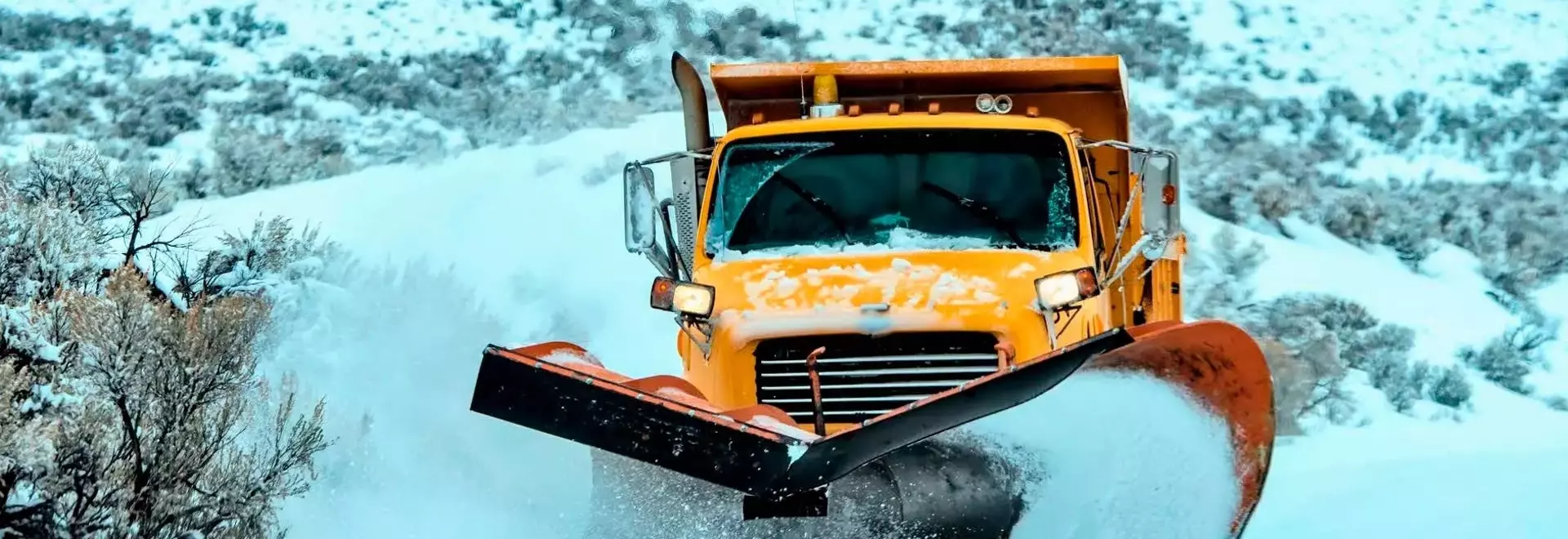
Winter Storm Alert: Heavy Snow and Strong Winds Forecast for Western US
Late April ushers in a powerful winter storm across the Rocky Mountains, threatening to blanket parts of Colorado, Wyoming, Utah, and Montana with substantial snowfall and gusty winds. Forecasts predict up to two feet of snow in some areas, along with winds reaching 45 miles per hour, creating hazardous conditions for travelers and outdoor enthusiasts. This event, driven by two shortwave troughs, is particularly significant for the drought-plagued region, offering a much-needed boost to water reserves despite the immediate challenges it presents.
Severe Winter Weather Grips Western States
As April draws to a close, a potent winter storm has descended upon the Rocky Mountains, affecting Colorado, Wyoming, Utah, and Montana. From Monday evening, April 27, 2026, through Tuesday, two shortwave troughs are funneling heavy snowfall into the high-altitude regions. The National Weather Service has issued Winter Weather Advisories, cautioning residents about the impending hazardous conditions. Wyoming is expected to bear the brunt of the storm, with Battle Pass projected to receive up to 24 inches of snow. Communities such as Albany and Centennial in the Sierra Madre Range and Snowy Range are bracing for 12 to 20 inches of heavy, wet snow. The NWS Cheyenne office warns of severe disorientation risks for those engaged in outdoor recreation, as visibility could plummet to a quarter mile or less across the highest terrains.
Colorado is also facing extensive impacts, with the NWS Denver office forecasting up to 8 inches of snow and wind gusts of 45 mph across critical mountain passes like Berthoud Pass and Eisenhower Tunnel. Further west, the NWS Grand Junction office anticipates up to 12 inches in areas such as Crested Butte and Monarch Pass, with Grand Mesa matching Wyoming's highest forecast at 24 inches. Travel warnings emphasize significantly reduced visibility and extremely slippery roads through these mountain corridors.
In Utah, the Wasatch and Uinta ranges are expected to experience snowfall rates of up to 1.5 inches per hour, with snow levels hovering around 7,000 feet. Eagle Point Resort could see an additional 12 inches of snow, building upon the 10 to 12 inches it received just last weekend. Montana, which has already endured several late-season storms, is preparing for another 4 to 10 inches, particularly around Daisy Pass and the Sheridan-Hardin corridor. While the advisory for Montana is set to expire by noon on Sunday, offering a brief respite, the cumulative effect of these storms is notable.
This late-season precipitation is vital for the Rockies, a region grappling with severe to exceptional drought conditions. Every inch of snow contributes to delaying runoff and replenishing reservoir levels, offering a glimmer of hope for water supplies heading into the dry summer months. Forecasters are already tracking a second storm system expected around April 30 to May 1, indicating that the region might experience further substantial accumulations before the calendar officially turns to May. Travelers are strongly advised to ensure their vehicles are prepared for sudden winter conditions, checking tire tread depth and assembling emergency kits, as mountain highways will undoubtedly present significant challenges.
This ongoing late-season winter weather in the Rockies serves as a stark reminder of the region's complex climate patterns and the critical role winter precipitation plays in its ecological and economic well-being. While the immediate focus is on safety and preparedness for hazardous travel, the broader implication of these snowfalls for drought mitigation cannot be overlooked. It underscores the delicate balance of nature and the interconnectedness of weather phenomena with vital resources like water. The persistent drought conditions highlight the importance of every snowflake, turning what might seem like an inconvenience into a crucial environmental boon, even if it brings temporary disruptions to daily life and travel.
