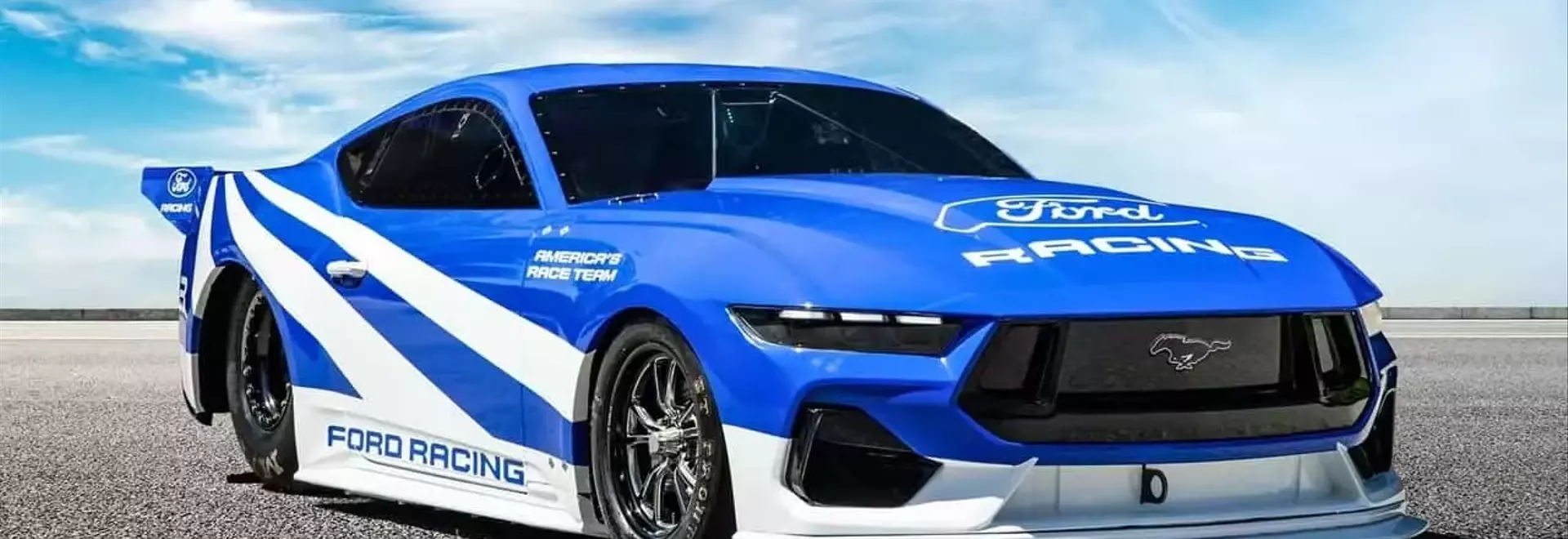
Ford's Electric Mustang Cobra Jet 2200 Shatters EV Speed Records
Ford's groundbreaking Mustang Cobra Jet 2200 electric dragster has unequivocally redefined the boundaries of electric vehicle performance, setting a new global benchmark for speed. This remarkable machine not only surpasses its predecessor in power and efficiency but also introduces innovative technological advancements aimed at maximizing acceleration and driver safety. The successful quarter-mile record is a testament to Ford's commitment to pushing the envelope in electric powertrain development, showcasing the immense potential of electric vehicles in high-performance motorsports. This achievement is particularly notable given the vehicle's strategic design choices, including a refined motor configuration and advanced power management systems.
Building on the success of earlier electric vehicle initiatives, the Cobra Jet 2200 represents a significant evolution in electric drag racing. It incorporates a sophisticated multi-speed transmission and centrifugal clutch, enabling precise torque control during launch—a critical factor for drag racing. This level of engineering sophistication highlights Ford's innovative approach to overcoming the unique challenges of electric propulsion in competitive settings. The vehicle's impressive power output and enhanced safety measures further solidify its position as a leader in electric drag racing, offering a glimpse into the future of automotive performance.
Pioneering Electric Performance: The Cobra Jet 2200's Record-Breaking Feat
Ford has once again made headlines in the automotive world, but this time with a remarkable feat in electric vehicle technology. The introduction of the Mustang Cobra Jet 2200 marks a pivotal moment, as this all-electric drag racer has officially become the fastest EV globally. Achieving an astonishing quarter-mile time of just 6.87 seconds and reaching a trap speed of 221 miles per hour, this vehicle underscores Ford's innovative capabilities in developing high-performance electric powertrains. This record-setting performance is not merely a number; it reflects a culmination of advanced engineering, strategic design choices, and a relentless pursuit of speed, demonstrating that electric vehicles can indeed compete at the highest echelons of motorsports. The Cobra Jet 2200’s raw power and unprecedented acceleration highlight the rapid advancements in electric vehicle technology, setting a new standard for what is achievable.
The Ford Mustang Cobra Jet 2200 represents a substantial upgrade from its predecessor, the Cobra Jet 1800. Engineers at Ford Racing made strategic decisions, opting for a dual-motor setup instead of four, which surprisingly led to a significant increase in output from 1,800 horsepower to a staggering 2,200 horsepower. This design choice also contributed to a reduction in overall weight and improved charging efficiency, making the 2200 a more potent and agile machine. Beyond brute force, Ford integrated advanced safety systems, including an explosive power cut-off mechanism that can be activated instantly by the driver or race personnel, ensuring maximum safety during high-speed runs. The most intriguing technological innovation is arguably the bespoke clutch and multi-speed transmission system, which allows for unparalleled torque management during launch and transitions seamlessly into direct drive, optimizing traction and acceleration throughout the quarter-mile. This sophisticated integration of power, safety, and transmission technology distinguishes the Cobra Jet 2200 as a marvel of modern electric drag racing engineering.
Engineering Marvels: Power, Safety, and Advanced Drivetrain of the Cobra Jet 2200
The Ford Mustang Cobra Jet 2200 is not just a speed demon; it's a showcase of cutting-edge engineering focused on both raw power and intricate control. The transition from the Cobra Jet 1800 to the 2200 involved a meticulous redesign, particularly in its powertrain. By reducing the number of electric motors from four to two, Ford's engineers managed to boost the vehicle's output to an incredible 2,200 horsepower while simultaneously reducing weight and improving charging times. This optimization demonstrates a sophisticated understanding of electric motor efficiency and power delivery. The significant power increase, combined with a lighter chassis, is crucial for achieving record-breaking acceleration on the drag strip, highlighting Ford’s commitment to pushing the performance envelope in the electric vehicle segment.
A standout feature of the Cobra Jet 2200 is its innovative multi-speed transmission coupled with a centrifugal clutch. This advanced drivetrain solution provides the driver with exceptional control over torque delivery during the initial launch, a critical phase in drag racing where precise power management can make or break a run. After the initial burst, the system seamlessly shifts to a direct-drive configuration, ensuring maximum power transfer as the vehicle rockets down the track. This dual-mode transmission strategy allows the Cobra Jet 2200 to optimize traction and maintain relentless acceleration. Furthermore, Ford prioritized safety with the integration of an explosive charge system designed to instantly disconnect the main electrical power in emergencies. This critical safety feature, which can be triggered by the driver or track officials, underscores the meticulous attention to detail in engineering a vehicle capable of such extreme performance. The Cobra Jet 2200 truly embodies the fusion of raw power, intelligent design, and paramount safety in the realm of electric drag racing.
