Unpacking the 'American-Made' Label: A Surprising Look at the 2026 Car Index
The latest 2026 American-Made Index from Cars.com offers a fascinating glimpse into the automotive landscape, challenging preconceived notions about what truly constitutes an "American-made" vehicle. Despite the strong presence of American brands in the top spots, a significant portion of the most domestically manufactured cars now come from international automakers, particularly those from Japan. This shift highlights the complex global nature of modern vehicle production, where factors like parts sourcing, assembly location, and workforce contribute to a car's "American" credentials.
The 2026 American-Made Index, compiled by Cars.com, meticulously evaluates vehicles based on several key criteria: the final assembly point, the percentage of parts sourced from the U.S. and Canada, the origin of engines and transmissions, and the location of the manufacturing workforce. This comprehensive methodology aims to provide consumers with a clearer picture of a vehicle's domestic content. Interestingly, the top 10 list reveals a significant shake-up compared to previous years, with non-American brands securing a majority of the coveted positions.
Topping the list once again are electric vehicle giant Tesla's offerings. The Tesla Model 3 holds its firm grip on the number one position, closely followed by the Tesla Model Y. However, a notable change occurred further down the list with the discontinuation of the Tesla Model S and Model X, making way for other contenders. The Jeep Gladiator, a robust vehicle assembled in Ohio, ascended two spots to claim the third overall position, showcasing a strong domestic manufacturing footprint for the iconic American brand. Jeep further solidified its presence with the Detroit-assembled Grand Cherokee taking fourth place.
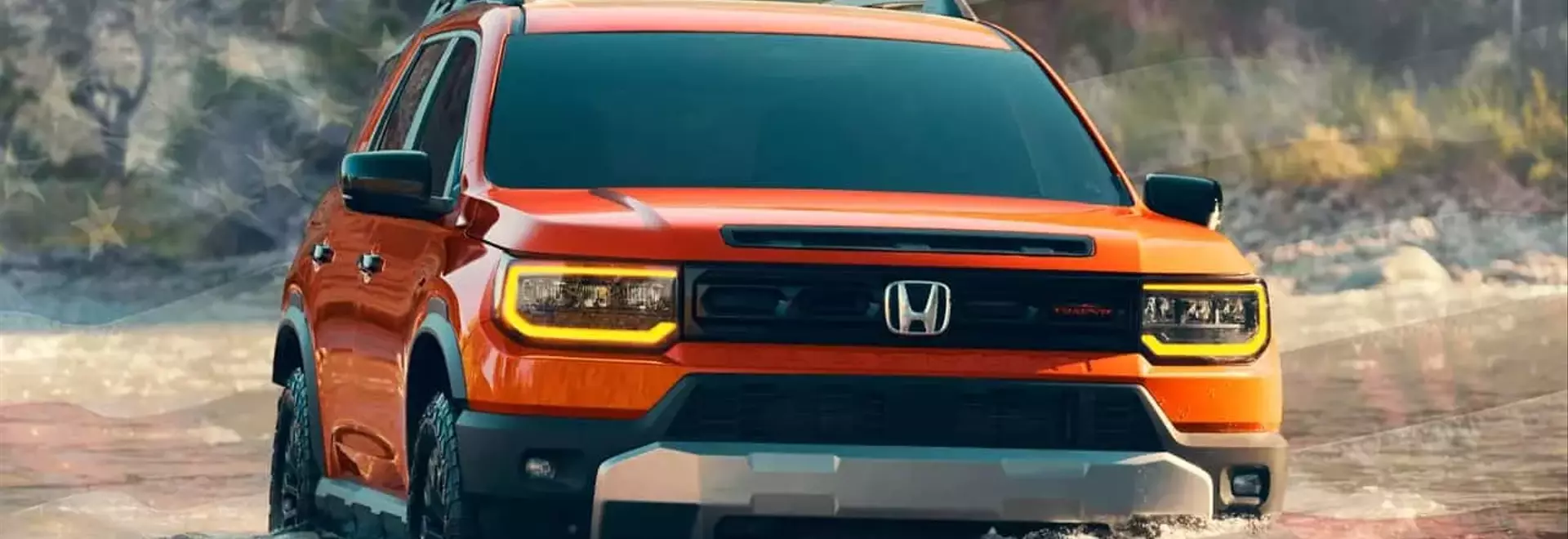
Beyond the top four, the landscape of "American-made" vehicles takes an unexpected turn, with Japanese automakers dominating the subsequent rankings. Honda secured both the fifth and sixth spots with its Alabama-built Ridgeline and Odyssey models, respectively. Lexus, a luxury division of Toyota, made a strong entry at number seven with its Indiana-produced TX. Honda continued its impressive showing by occupying the eighth and ninth positions with the Ohio-built Accord and Acura MDX, while the Alabama-manufactured Passport rounded out the top 10. This strong performance by Japanese brands underscores their long-term investment in establishing extensive manufacturing operations within the United States.
Furthermore, the 2026 index saw several vehicles make significant upward moves into the top 20, including the Toyota Tundra, Kia EV9, Ford Explorer, Lincoln Aviator, Ford Expedition, Lincoln Navigator, and Toyota Camry, all demonstrating increased domestic contributions. Conversely, some models from the 2025 list, such as the Nissan Pathfinder, Chevrolet Colorado, Kia Sportage, Jeep Wrangler, and Honda Pilot, experienced declines in their rankings, falling out of the top 20. These shifts illustrate the dynamic nature of automotive supply chains and manufacturing strategies, constantly evolving to meet market demands and regional economic considerations.
The Cars.com American-Made Index for 2026 demonstrates a notable trend where the concept of a "Made in America" vehicle extends far beyond traditional American-headquartered companies. While domestic brands like Tesla and Jeep continue to show strong results, the substantial presence of Japanese automakers such as Honda and Lexus within the top ten highlights their deep commitment to U.S. manufacturing. This evolution reflects decades of investment by these foreign companies in establishing production facilities and supply chains within North America, blurring the lines of national origin in the global automotive industry.
