NHTSA Revises Regulations for Driverless Vehicles, Eliminating Mandatory Brake Pedals
Cars

NHTSA Revises Regulations for Driverless Vehicles, Eliminating Mandatory Brake Pedals

authorBy Henry Ford
DateJun 26, 2026
Read Time2 min

The National Highway Traffic Safety Administration (NHTSA) has initiated a significant regulatory overhaul for self-driving vehicles, signaling a shift in how federal safety standards apply to this emerging technology. Recognizing that industry advancements often outpace existing frameworks, the NHTSA proposes amendments to the Federal Motor Vehicle Safety Standards (FMVSS) to streamline the certification process for autonomous cars. This forward-thinking approach aims to foster technological growth while upholding stringent safety benchmarks.

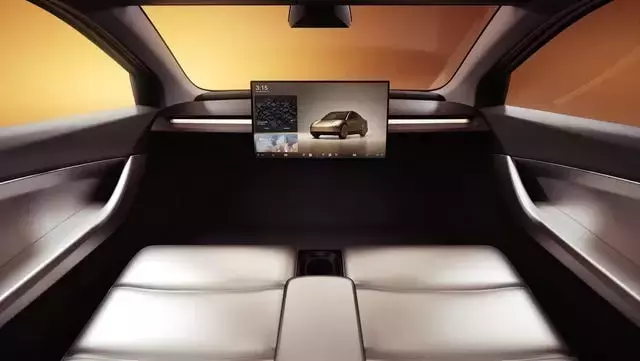
A pivotal change within these revised regulations is the removal of the mandate for a physical brake pedal in vehicles specifically engineered for autonomous operation. This modification directly addresses designs like Tesla's Cybercab, which forego traditional manual controls such as steering wheels and pedals. The agency's reasoning is that these physical interfaces are superfluous in vehicles where human intervention is not anticipated, aligning regulatory requirements with the design realities of fully autonomous systems. Despite this concession, all vehicles, regardless of their autonomy level, will still be held to federal stopping distance requirements, ensuring that fundamental safety performance remains uncompromised.

Moreover, the NHTSA's announcement hints at potential future revisions concerning other conventional automotive features. Components like rearview mirrors, windshield wipers, and defrosters, typically crucial for human drivers, may also be deemed non-essential for autonomous vehicles that rely on cameras and sensors for navigation and environmental perception. This ongoing regulatory evolution seeks to create a more permissive environment for driverless technology, with the public invited to provide input on these proposed changes until July 27, ensuring a comprehensive and collaborative decision-making process.

This proactive stance by regulatory bodies reflects a necessary adaptation to rapid technological innovation. By thoughtfully updating safety standards, we can pave the way for a future where autonomous transportation offers enhanced efficiency and accessibility, ultimately improving urban mobility and driver experience.

More Articles
Cars
A Closer Look at the 2026 Tesla Model Y Base Interior
Explore the minimalist yet functional interior of the new 2026 Tesla Model Y base model. This article provides a detailed visual tour, highlighting the distinctive dashboard, touchscreen interface, and seating materials, which combine faux leather and cloth. Discover how the design maintains Tesla's signature aesthetic while offering practical features for everyday use.
By Henry FordJun 26, 2026
Cars
Car Maintenance Costs: A Comprehensive Comparison
Owning a car involves various expenses beyond the initial purchase. This article delves into the scheduled maintenance costs of several popular car models, based on extensive 40,000-mile long-term road tests. It highlights both high-cost and low-cost vehicles across different segments, offering insights into factors like complimentary maintenance programs and specific service requirements. This anecdotal data, gathered over seven years, covers nearly 40 vehicles, ranging from economy cars to luxury sports models.
By Brock YatesJun 26, 2026
Cars
2026 Electric SUV Showdown: Tesla Model Y vs. Toyota bZ
This article conducts a thorough comparison between the 2026 Tesla Model Y and the refreshed Toyota bZ, focusing on their base models. It examines various aspects, including pricing, exterior and interior design, powertrain performance, battery range, and driving experience. The Model Y, praised for its advanced user interface and driving assistance, and the bZ, recognized for its affordability and improved features, are evaluated to determine which electric SUV offers a more compelling package for consumers seeking value and innovation in the EV market.
By Henry FordJun 26, 2026
Cars
2026 Jeep Recon: Pricing, Options, and Market Position Revealed
The 2026 Jeep Recon's configurator is now active, revealing its sole Moab trim starting at $68,990. Fully loaded, this electric off-roader reaches nearly $77,000, excluding destination. Despite a lower price point than the GMC Hummer EV, its limited 222-mile range and absence of tax credits may challenge its market appeal against rivals like the Rivian R2.
By Michele AcquaragiaJun 26, 2026
Cars
Dodge's Anticipated Return to NASCAR: Potentially as Early as 2027
Dodge is actively working on its re-entry into NASCAR, with a potential return in 2027, sooner than the previously anticipated 2028. This accelerated timeline is due to recent development progress, including initial wind tunnel tests. While challenges remain in finalizing and validating the race car, the Stellantis brand is determined to join Chevrolet, Ford, and Toyota, bringing the total number of manufacturers in the series to four.
By Edward LohJun 26, 2026