Toyota Advocates for Continued Gasoline Car Production Amidst Global EV Transition
In an evolving automotive landscape, Toyota maintains its commitment to internal combustion engine vehicles, acknowledging the persistent global demand for gasoline-powered cars. The company's strategic approach, termed a 'multi-pathway strategy,' recognizes the diverse energy conditions and consumer preferences across different regions. While many manufacturers initially embraced an all-electric future, several have since reassessed, aligning more closely with Toyota's balanced perspective. This pragmatic stance is driven by current realities such as the uneven penetration of electric vehicles, the nascent state of charging infrastructure in many areas, and the higher upfront costs associated with EVs, all of which underscore the continued relevance of conventional powertrains for a significant portion of the global market.
The Enduring Role of Internal Combustion Engines
Toyota continues to champion the development and production of gasoline-powered cars, emphasizing their critical role in regions where electric vehicle adoption faces significant hurdles. The automotive giant cites challenges such as underdeveloped charging networks and consumer anxieties about range and refueling times as primary reasons for this sustained commitment. Many drivers still value the convenience of quick refueling at widely available gas stations over the longer charging durations required for electric vehicles, even with advancements in fast-charging technology. This reality shapes Toyota’s product strategy, ensuring that its popular models like the Corolla will continue to offer gasoline engine options alongside hybrid and electric variants.
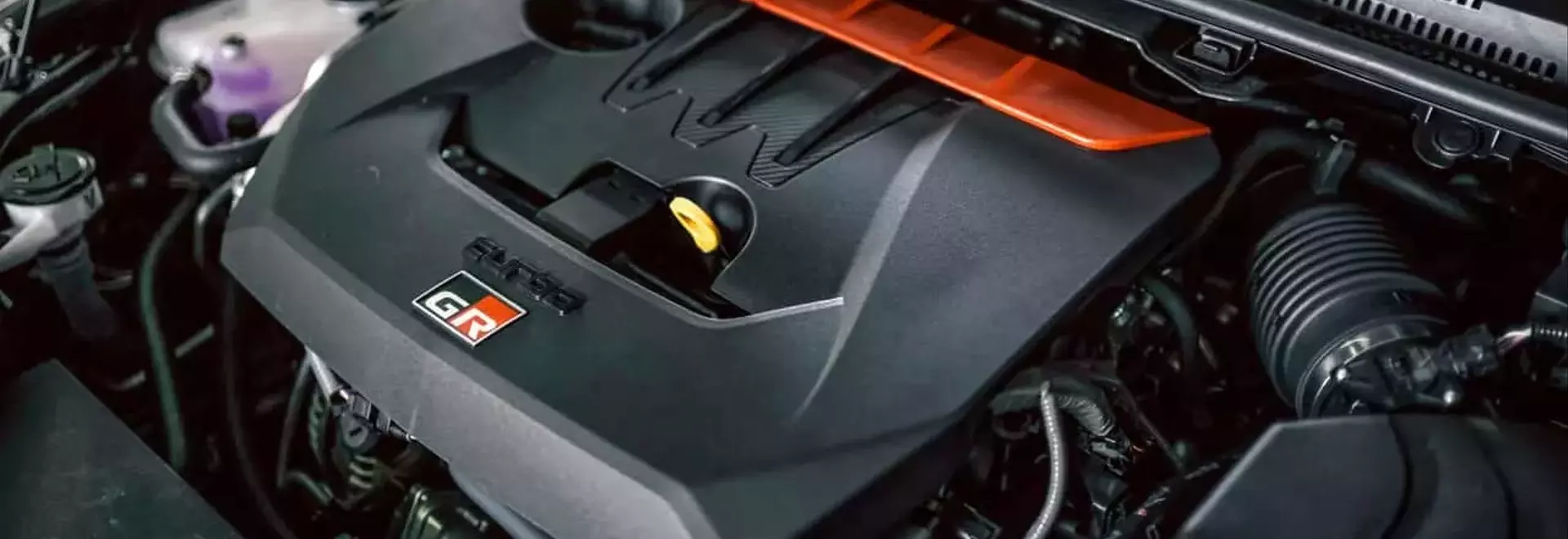
The global automotive market presents a complex picture where the transition to electric vehicles is far from uniform. In numerous areas worldwide, the infrastructure required to support a fully electric fleet simply does not yet exist or is insufficiently robust. This includes the availability of charging stations, grid stability, and the economic feasibility for consumers to switch to EVs. Furthermore, the initial purchase price of electric vehicles often remains a barrier for many buyers, making traditional gasoline cars a more accessible and practical choice. Toyota's strategy is therefore rooted in providing solutions that cater to these diverse global needs, ensuring mobility remains accessible and convenient for all its customers, regardless of their location or economic circumstances. The company is also investing in more efficient four-cylinder gas engines and exploring carbon-neutral fuels to extend the life of combustion technology responsibly.
Adapting to Evolving Global Automotive Needs
As the automotive industry navigates the shift towards sustainable transportation, Toyota is strategically adapting its product offerings to address the varied demands and infrastructure realities across the globe. While the company acknowledges the rising trend of electric vehicle adoption, particularly in well-developed markets, it concurrently recognizes the continued dependence on gasoline cars in numerous regions. This flexible approach is designed to cater to a broad spectrum of consumers, offering choices that range from advanced internal combustion engines and hybrid powertrains to fully electric vehicles, ensuring that its popular models remain relevant and competitive in all markets.
Toyota's commitment to offering a diverse powertrain lineup is exemplified by its plans for the next-generation Corolla, a globally celebrated model. The company intends to equip the new Corolla with options that span traditional gasoline engines, efficient hybrids, and potentially plug-in hybrid or pure electric versions. This comprehensive strategy reflects an understanding that a one-size-fits-all approach to vehicle propulsion is not feasible in the current global climate. By investing in the development of more efficient gasoline engines and exploring alternative, carbon-neutral fuels in collaboration with partners like Mazda and Subaru, Toyota is positioning itself to meet the needs of diverse customers, ensuring they have access to reliable and suitable transportation options, irrespective of local energy conditions or lifestyle preferences.
