The Shifting Landscape of Solar Energy: Lease vs. Ownership in a Changing Policy Environment
Navigating the New Era of Solar: Lease Your Way to Sustainability
The Evolving Strategy of Solar Providers: From Ownership to Leasing
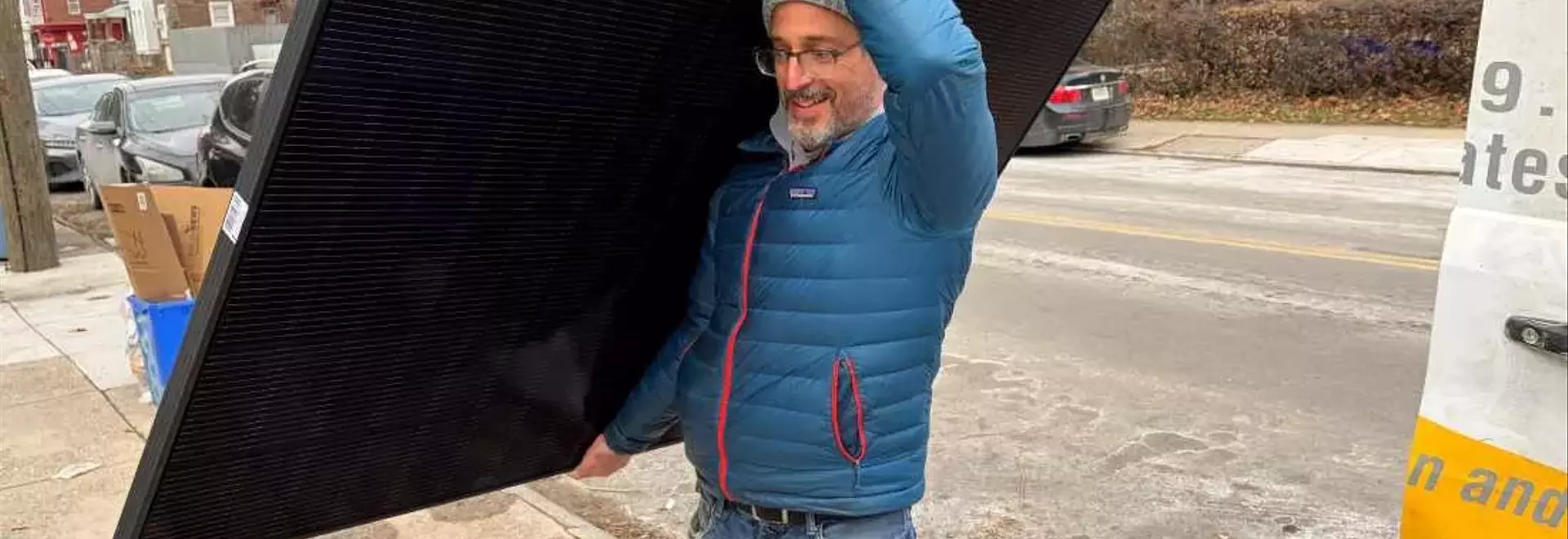
In Philadelphia, the owner of Solar States, Micah Gold-Markel, recently oversaw the installation of solar panels on a residential property. This particular project marked a shift in his company's approach, as the homeowner opted to lease, rather than purchase, the solar panels. Historically, Gold-Markel had reservations about leasing, preferring that customers own their energy production assets. However, a significant change occurred last summer when new legislation removed federal tax incentives for purchased solar panels, while similar benefits for leased systems were retained. This policy adjustment has prompted many solar businesses nationwide to pivot towards leasing arrangements, such as subscriptions or power purchase agreements (PPAs), as a survival strategy against the backdrop of shifting governmental stances on renewable energy.
The Rising Tide of Solar Leasing: Industry Trends and Homeowner Benefits
Industry analyst Zoë Gaston from Wood Mackenzie notes a growing acceptance of third-party ownership models among solar installers. What was once a shunned practice is now being embraced by many companies to adapt to the new financial landscape. Currently, approximately 5.8 million American homes are equipped with solar installations, accounting for 8.2% of residences suitable for solar. Over half of the new installations in the first three quarters of the previous year involved third-party ownership, indicating a strong trend towards leasing. This model allows homeowners like Pete Wilson in North Philadelphia to access solar energy without a large upfront investment, potentially leading to savings on electricity bills, though the exact amount may vary.
Considering the Downsides: Potential Challenges with Solar Leases
Despite the growing popularity of leased solar panels, there are concerns that warrant attention. The residential solar sector has recently faced increased consumer complaints, often related to aggressive sales tactics. Leasing arrangements, while offering immediate cost benefits, can introduce complexities. These include the potential for a leased system to negatively impact a home's resale value and the risk of service interruptions if the leasing company faces financial difficulties, such as bankruptcy. Micah Gold-Markel, though adapting to market realities, still believes in the principle of energy independence through ownership, viewing leasing as a compromise that deviates from the ideal of homeowners controlling their energy future.
Diverse Approaches in the Solar Market: Independent Installers' Perspectives
While many in the solar industry are now offering leasing options, some, like Joy Seitz, CEO of American Solar and Roofing in Phoenix, Arizona, remain staunchly opposed. Seitz believes that leasing contracts are often complex and poorly understood by consumers, potentially leading to unforeseen issues years down the line, especially during property sales. She champions direct ownership as a more straightforward and beneficial solution for homeowners, providing genuine relief from high electricity costs without future complications. Her stance highlights a divergence within the industry regarding the best long-term solutions for solar adoption.
Empowering Consumers: Safeguarding Your Solar Investment
For homeowners contemplating rooftop solar, especially leased systems, consumer advocates and industry experts advise several precautions. It is crucial to be wary of high-pressure sales tactics, particularly from door-to-door salespeople who may prioritize sales over proper installation. Instead, seeking out reputable local installers or using energy marketplaces like EnergySage, which offer advisory services, is recommended. Thoroughly reviewing and understanding every clause of a lease agreement, including potential price escalators, removal costs, and buyout options, is essential. Gold-Markel stresses the importance of not signing any agreement unless all terms are clearly explained and understood, empowering consumers to make informed decisions and protect their interests in the evolving solar market.
