Headline Highlights: Politics, International Relations, and Social Issues
This compilation of headlines from February 25, 2026, encapsulates a diverse range of critical global and national developments. From the intricate dynamics of American politics as illuminated by the State of the Union address, to the complex and sensitive issues of international law and human rights exemplified by the Epstein case, and the harrowing realities of geopolitical conflict in Ukraine, the day's news paints a vivid picture of a world grappling with multifaceted challenges. Furthermore, the personal plea from Savannah Guthrie highlights the human element within broader societal concerns, while the discussion on phone policies in schools touches upon contemporary educational and social debates. Together, these stories offer a snapshot of the day's most pressing concerns, urging reflection on leadership, justice, conflict resolution, and societal well-being.
Detailed Report: Global Events and Domestic Concerns on February 25, 2026
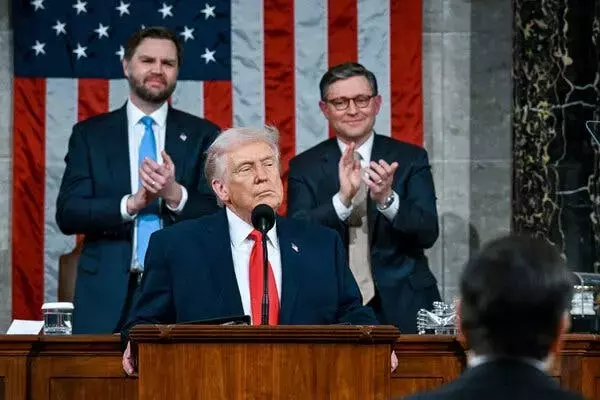
On Tuesday, February 25, 2026, a series of pivotal events unfolded across the globe, capturing public attention and shaping ongoing narratives. In the United States, the President delivered an exceptionally lengthy State of the Union address, from which analysts Tyler Pager and Luke Broadwater distilled six crucial takeaways, indicating significant policy directions and national priorities. The President, standing prominently behind a lectern, flanked by Vice President JD Vance and Speaker Mike Johnson, emphasized key aspects of his administration's agenda. Simultaneously, international legal proceedings saw a former United Kingdom ambassador to the U.S. released by British police after being questioned in connection with allegations surrounding Jeffrey Epstein, as reported by Lizzie Dearden and Stephen Castle. This development continues to stir discussions on accountability and high-profile cases.
Across Eastern Europe, the poignant human cost of geopolitical strife was brought to the forefront. Andrew E. Kramer detailed the harrowing experiences of Ukrainian citizens in Donetsk who expressed profound anxieties about being potentially exchanged for peace, underscoring the deep-seated fears and uncertain futures faced by communities caught in conflict zones. Closer to home, a personal tragedy gained national prominence as media personality Savannah Guthrie publicly offered a substantial $1 million reward for information leading to the safe return of her mother, a desperate plea that resonated widely and highlighted the enduring pain of unexplained disappearances. Finally, on the educational front, a piece by Madison Malone Kircher and Callie Holtermann explored the ongoing struggle and debate surrounding the use of mobile phones in classrooms, examining the implications of a recent challenge to the concept of a 'phone-free classroom' and its impact on modern learning environments.
These converging narratives underscore the dynamic interplay between politics, international relations, personal well-being, and social evolution. The State of the Union's policy pronouncements will undoubtedly influence national discourse, while the Epstein-related developments serve as a potent reminder of the complexities of justice across borders. The plight of Ukrainians in Donetsk compels us to consider the devastating human impact of global conflicts, and Savannah Guthrie's heartfelt appeal highlights the universal search for loved ones. Lastly, the school phone debate is a microcosm of broader societal challenges in navigating technology's role in daily life. Engaging with these stories inspires a deeper understanding of the world's interconnectedness and the continuous efforts required to address both global crises and individual dilemmas.
