Micron's Soaring Performance Creates Challenges for Apple Amid Memory Squeeze
Money

Micron's Soaring Performance Creates Challenges for Apple Amid Memory Squeeze

authorBy Natalie Pace
DateJun 25, 2026
Read Time3 min
The current market landscape reveals a significant divergence in fortunes between two tech giants: Micron and Apple. Micron's recent financial success, driven by a global memory shortage, stands in stark contrast to the challenges Apple is now facing as a result of rising component costs. This situation highlights the intricate dependencies and fluctuating dynamics within the technology supply chain.

The Interplay of Tech Giants: Micron's Ascent, Apple's Dilemma

Micron's Exceptional Financial Achievements and Market Impact

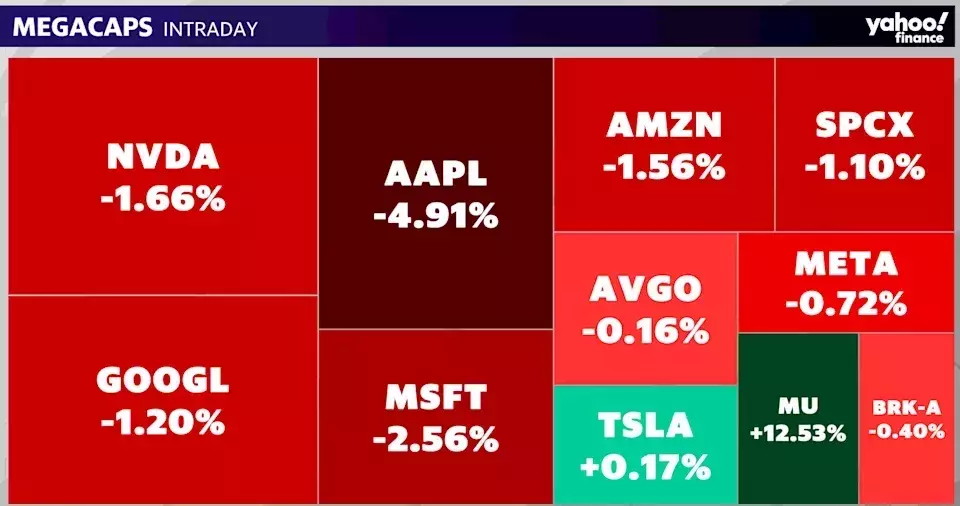
Micron Technology has recently announced outstanding quarterly results, which have propelled its stock value upwards. The company reported record-breaking revenues and an impressive gross margin of 84.9%, with expectations for this figure to climb even higher to approximately 86% in the upcoming quarter. This remarkable performance is largely attributed to a worldwide scarcity of memory chips, allowing Micron to command higher prices for its products and significantly boost its market capitalization.

Apple's Response to Escalating Memory Costs

Conversely, Apple has found itself in a challenging position. In response to the escalating cost of memory components, Apple has implemented price increases for some of its MacBook and iPad models, with adjustments ranging from $100 to $300. This move, while somewhat anticipated, surprised many by its magnitude. As a direct consequence, Apple's stock experienced a significant decline, erasing a substantial portion of its market value.

The Broader Implications of the Global Memory Crunch

The global shortage of memory chips has created a scenario where suppliers like Micron are thriving, benefiting from increased demand and pricing power. However, this advantage for component manufacturers translates into higher operational costs for tech giants that integrate these components into their end products. Apple's recent price adjustments are a clear indicator that the financial impact of this memory crunch is moving beyond internal balance sheets and directly affecting consumer pricing.

Navigating Market Volatility: A Critical Juncture for Apple

Apple's stock performance reflects the broader market's reaction to these pressures. Having fallen back to a critical price range of $275 to $280, the company is at a pivotal point. Remaining above this threshold could signify resilience in the face of cost challenges, whereas a dip below it might indicate a more profound market correction and a reevaluation of how much of the increased AI hardware costs major tech companies can absorb without significantly impacting their profitability and market standing. The coming weeks will be crucial in determining Apple's trajectory in this evolving market.

The Ripple Effect on Leading Technology Stocks

The current market climate, marked by Micron's success and Apple's struggles, underscores a period of volatility for major technology stocks. The so-called "Magnificent Seven" tech companies have collectively experienced a decline, reaching a two-month low. This trend suggests that the financial burdens of the AI infrastructure build-out, especially the rising cost of essential hardware components, are becoming increasingly evident, compelling companies to pass these costs onto consumers or face reduced profit margins. This situation highlights a critical shift in the economic dynamics of the tech industry.

More Articles
Money
Polestar Faces US Sales Ban Amidst Crackdown on Chinese EVs
Electric vehicle manufacturer Polestar announced it would be compelled to cease vehicle sales in the United States starting from the 2027 model year due to heightened restrictions by the Trump administration on Chinese-linked vehicles. This move, stemming from the 'Connected Vehicles Rule' over national security concerns, significantly impacts Polestar's U.S. market presence and highlights the ongoing geopolitical tensions affecting global automotive trade. The company's shares experienced a notable decline following the announcement.
By Dave RamseyJun 25, 2026
Money
Bumble Explores Potential Sale Amidst Declining Growth in Dating Sector
Dating application Bumble is reportedly exploring a potential sale, engaging with Morgan Stanley to navigate the process. This move comes as the company grapples with a significant slowdown in growth and a decrease in its paying user base within the increasingly competitive online dating market. Despite its unique 'women-first' approach, Bumble's market value has seen a substantial decline, prompting considerations for its future independence.
By T. Harv EkerJun 25, 2026
Money
Major Wine & Spirits Distributor to Cease Illinois Operations, Affecting Hundreds of Employees
Republic National Distributing Company (RNDC), a prominent player in the alcohol distribution sector, has announced the permanent closure of two facilities in Illinois, resulting in 280 job losses. This decision stems from the company's financial challenges and an inability to secure necessary capital to maintain operations in these locations, marking a significant development in its ongoing operational restructuring efforts.
By Scott PapeJun 25, 2026
Money
Federal Reserve's Preferred Inflation Gauge Reaches Three-Year Peak
The Federal Reserve's key inflation indicator, the Personal Consumption Expenditures (PCE) index, has surged to a three-year high. This upward trend reinforces the central bank's cautious stance on interest rates, with discussions around potential hikes remaining relevant if inflationary pressures persist. The core PCE, excluding volatile food and energy costs, also saw an increase, suggesting a broader base for rising prices. This development presents a complex scenario for policymakers balancing economic stability and growth.
By T. Harv EkerJun 25, 2026
Money
Cloud Infrastructure Showdown: Alphabet vs. CoreWeave
This analysis delves into the competitive landscape of cloud computing, comparing tech giant Alphabet with the specialized AI cloud provider CoreWeave. It examines their business models, growth trajectories, and valuation metrics to determine which company might offer a more compelling investment opportunity, catering to different investor preferences for stability versus high growth potential in the evolving AI infrastructure market.
By Bola SokunbiJun 25, 2026