Federal Reserve's Preferred Inflation Gauge Reaches Three-Year Peak
The latest data indicates that the Federal Reserve's favored inflation metric has climbed to its highest point in three years. This surge suggests that the central bank will likely maintain its current interest rate policy, while also considering potential increases if inflationary trends do not subside. The core Personal Consumption Expenditures (PCE) index, which excludes volatile energy and food prices, also rose, signaling a more widespread inflation challenge. This economic development presents a complex situation for the Fed as it navigates monetary policy.
Federal Reserve Grapples with Surging Inflation Amidst Economic Crosscurrents
Washington, D.C. – The Federal Reserve is facing mounting pressure as its preferred measure of inflation, the Personal Consumption Expenditures (PCE) index, recently reached a three-year high in May 2026. This significant increase underscores the ongoing challenges policymakers confront in achieving price stability. The headline PCE index advanced by 4.1% in May, up from 3.8% in April, aligning with market expectations. On a monthly basis, inflation saw a 0.4% rise, slightly less than anticipated but consistent with the previous month's figures.
Of particular concern to the Fed is the trajectory of the 'core' PCE, which strips out the volatile food and energy components. This crucial indicator climbed to 3.4% in May, surpassing April's 3.3% and marking its highest level since October 2023. The month-over-month core inflation rate also nudged up to 0.3% from 0.2%.
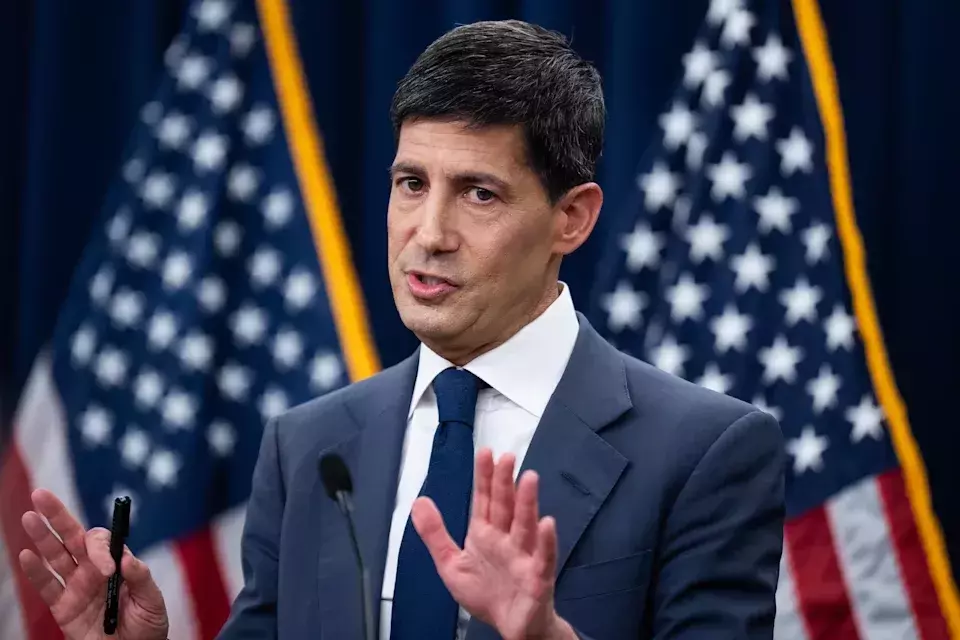
While rising energy prices have contributed to the overall inflationary trend, the persistent increase in core inflation signals a broadening of price pressures across the economy, a pattern that began in April and continued through May. Federal Reserve officials recently indicated their intention to keep interest rates stable throughout the year, yet the possibility of a rate hike remains on the table. Federal Reserve Chairman Kevin Warsh emphasized the central bank's commitment to bringing inflation back to its 2% target.
Despite Chairman Warsh's non-committal stance on immediate monetary policy changes, nine of his colleagues at the Federal Open Market Committee (FOMC) projected at least one rate increase this year, with six members foreseeing two or more hikes. Conversely, eight members favored maintaining current rates.
Adding to the complexity, recent geopolitical developments, such as a potential deal between President Trump and Iran, could significantly impact oil prices. A sharp decline in crude oil costs, like the 38.8% drop in West Texas Intermediate prices from their May peak, could lead to a negative month-over-month inflation print for June, according to Joseph Brusuelas, Chief Economist at RSM. However, Brusuelas cautions that core inflation may prove more resilient due to persistent service sector inflation, the lingering effects of tariffs on goods, pressures from AI infrastructure development, and anticipated defense spending.
Economist Thomas Ryan from Capital Economics believes that core PCE likely peaked in May, attributing a potential future decline to fading tariff impacts and lower oil prices affecting sectors like airline fares. Nevertheless, he anticipates a gradual reduction in core inflation from August onwards, suggesting the Fed will have little choice but to tighten policy given robust economic activity and a strong labor market. Ryan projects three rate hikes, a sentiment partially echoed by market expectations, which currently assign a 50% chance of a 25 basis point hike in September.
Deutsche Bank analysts anticipate two rate hikes this year, in September and December, citing the broad-based nature of current inflationary pressures beyond singular factors like tariffs and energy. Ellen Zentner, Chief Economic Strategist for Morgan Stanley Wealth Management, reinforced this view, stating that current inflation levels will compel the Fed to maintain its restrictive stance for an extended period until economic conditions permit a policy reversal.
The current economic landscape, characterized by persistent inflationary pressures and diverse expert opinions on the Federal Reserve's next steps, highlights the intricate balancing act required from central bankers. As a reporter covering these developments, it's evident that the path to a stable 2% inflation target is neither straightforward nor universally agreed upon. The interplay of geopolitical events, domestic economic indicators, and varying interpretations by economists creates a dynamic environment where vigilance and adaptability are paramount for both policymakers and market participants. The coming months will be crucial in determining whether the current inflationary surge is a temporary blip or a more entrenched trend, with significant implications for future interest rate decisions and overall economic stability.
