Mercedes-Benz Unveils 'Red Pig' Homage Concept
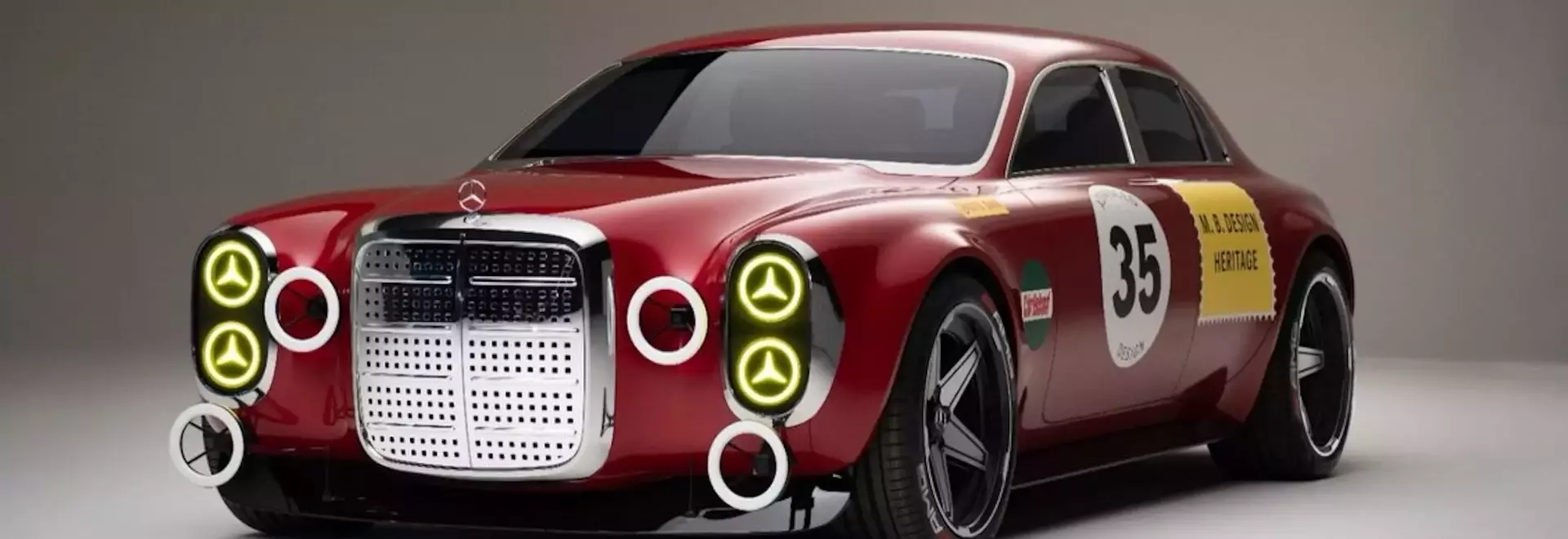
Gorden Wagener, the recently retired head of Mercedes-Benz design, has unveiled a previously unseen concept car, a contemporary homage to the legendary “Red Pig.” This muscular sedan draws inspiration from the iconic 300 SEL racing variant developed by AMG in the early 1970s, celebrated for its distinctive red hue and imposing size. The newly revealed concept showcases a bold chrome grille, striking circular LED headlamps, and a powerful, sculpted body, bringing a classic racing legacy into the modern era of automotive design.
A Modern Reimagining of a Racing Legend
In the dynamic world of automotive design, many innovative concepts never progress beyond the drawing board or the digital realm. However, former Mercedes-Benz Chief Design Officer Gorden Wagener, who recently concluded his tenure, brought to light one such compelling creation on Instagram. This impressive sedan concept is a direct tribute to the historic “Red Pig.”
The original Mercedes-Benz 300 SEL 6.3 AMG, affectionately known as the “Red Pig,” emerged during AMG's nascent years, long before its integration as Mercedes-Benz's official high-performance division. This unlikely race car achieved a remarkable second-place finish at the 1971 24 Hours of Spa-Francorchamps, a feat that propelled AMG onto the global stage. Its vibrant paint scheme and formidable dimensions solidified its iconic status and earned it the enduring nickname, meaning “Red Sow” in German.
While Mercedes-Benz typically focuses on futuristic aesthetics, Wagener has previously explored modernizing the brand's heritage through various concept vehicles, including the vintage-inspired Vision Iconic and the C111-influenced Vision One-Eleven. This “Red Pig” homage seamlessly fits into this lineage, presenting a design that combines expansive, muscular bodywork with a broad, assertive stance.
The vehicle's front fascia is dominated by a square, chrome grille, reminiscent of the illuminated grille found on the new GLC EV. It is flanked by yellow LED lights that subtly evoke the Mercedes-Benz star emblem. Additionally, prominent circular auxiliary lights extend from the front, and the concept proudly sports a refined version of the original “Red Pig” livery. Although this visionary concept by Wagener will not enter production, its public unveiling, also featured in his book Iconic Design, offers a fascinating glimpse into the blend of history and innovation within automotive design.
Reflecting on Automotive Heritage and Future Visions
This unveiling of the modern "Red Pig" concept is more than just a design exercise; it's a profound statement about the enduring power of heritage in an industry constantly pushing boundaries. It reminds us that even as we strive for innovation, the stories and triumphs of the past continue to inspire. Wagener's concept not only honors a legendary race car but also challenges us to consider how iconic designs can be reinterpreted for a new generation. It highlights the delicate balance between reverence for history and the courage to envision a bold future, ultimately enriching the automotive landscape with both nostalgia and forward-thinking creativity.
