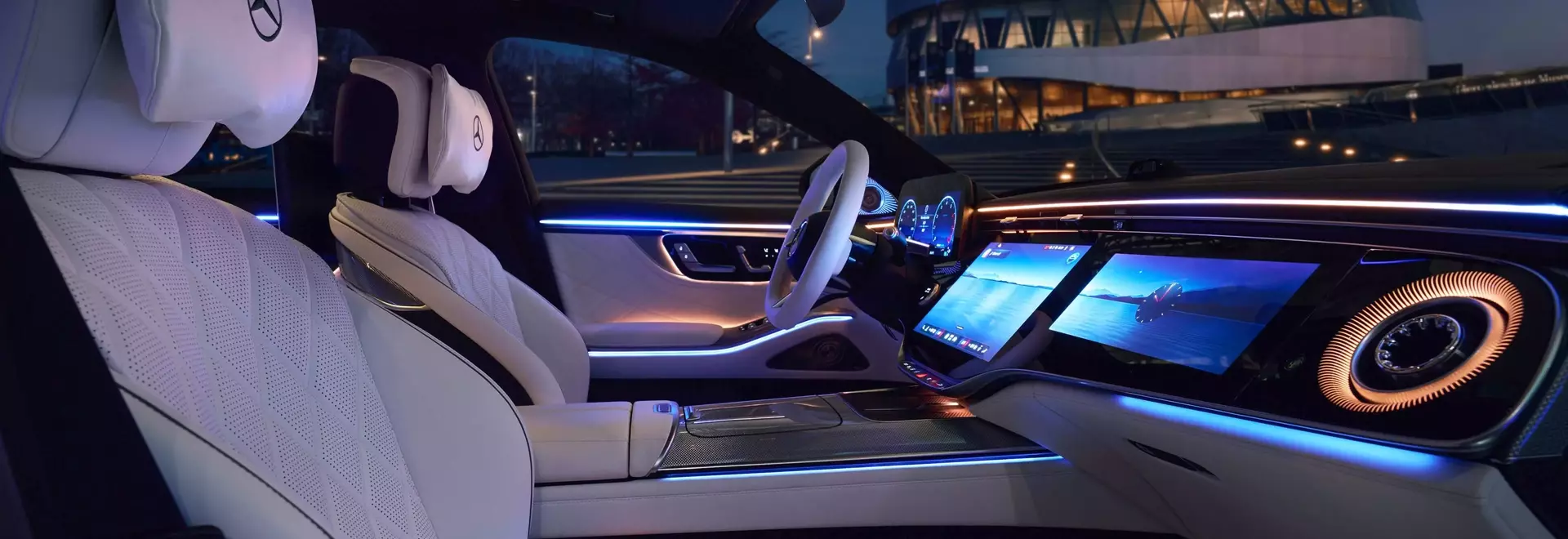
The Return of Physical Buttons: A Global Shift in Automotive Interior Design
A significant transformation is occurring within the automotive industry, particularly concerning vehicle interior design. Major global markets, specifically Europe and China, are spearheading a movement to reinstate physical buttons for essential car functions, departing from the prevalent trend of touchscreen-heavy interfaces. This shift is primarily driven by safety concerns, aiming to minimize driver distraction and enhance operational intuitiveness. The introduction of these new regulations is prompting car manufacturers worldwide to rethink their design approaches, leading to a potential global standardization of interiors that blend digital sophistication with tactile practicality. This strategic recalibration seeks to strike a balance between advanced technological features and the fundamental need for immediate, distraction-free control over critical vehicle operations, ultimately prioritizing driver and passenger safety.
The impetus for this design evolution stems from regulatory changes in key regions. In Europe, new guidelines effective this year stipulate that vehicles must incorporate physical controls for certain core features to achieve a five-star Euro NCAP safety rating. Automakers operating in the European market have been granted a three-year window to modify their vehicle interiors to comply with these updated standards. Concurrently, China's Ministry of Industry and Information Technology (MIIT) has proposed draft rules that would compel car manufacturers to implement tangible buttons for a broader range of vital functions. These proposed Chinese regulations, if approved, would apply to all new vehicles produced after July 1, 2027, and would include controls for gear selection, advanced driver-assistance systems (ADAS) activation, defrosters, power windows, and even an EV power-off switch. A key requirement is that these physical controls must be static and easily identifiable by touch, eliminating the need for drivers to navigate through complex on-screen menus while operating the vehicle.
This regulatory push comes after a decade where the automotive industry largely embraced fully digital cockpits, drawing inspiration from pioneers like Tesla. Many brands, including BYD and Xiaomi, followed suit, minimizing physical controls in favor of large, central touchscreens. However, this trend inadvertently introduced new challenges, particularly regarding driver distraction. In response to mounting concerns, some manufacturers have already begun reversing course. Volkswagen, for instance, has reintroduced traditional buttons for climate and audio controls, acknowledging the difficulties drivers faced with touch-only interfaces. Similarly, Mercedes-Benz has transitioned from touch sliders on steering wheels back to conventional switches. Hyundai, notably, maintained its commitment to physical knobs for frequently used functions throughout this period, demonstrating a foresight now being adopted by others.
The global nature of vehicle development suggests that these regional regulations could have far-reaching implications. Even if the United States does not immediately adopt similar mandatory requirements for physical buttons to achieve top safety ratings, the commercial realities of automotive manufacturing might lead to a de facto shift. Designing distinct interiors for different markets can be costly and inefficient. Therefore, it is plausible that automakers will opt for a unified interior design that meets the stricter European and Chinese standards, thereby introducing more physical controls to vehicles sold in the US. This would align with existing discussions in the US regarding driver distraction and the complexity of modern in-car interfaces. The future of automotive interiors appears to be a harmonious blend of sophisticated digital displays for advanced features and intuitive, tactile buttons for essential, frequently accessed controls, ensuring both technological advancement and paramount safety.
