Mastering Your Kitchen: The Ultimate Guide to Glass Pan Usage
Recipes

Mastering Your Kitchen: The Ultimate Guide to Glass Pan Usage

authorBy Maangchi
DateDec 23, 2025
Read Time2 min

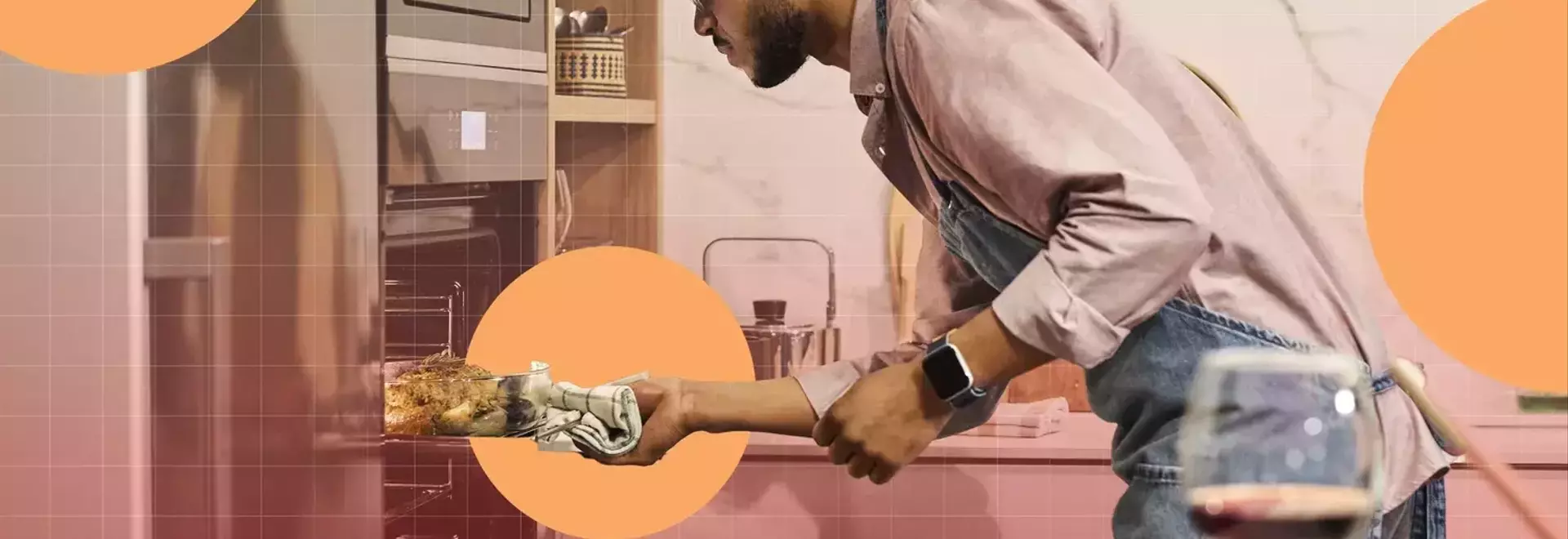
Optimal cooking outcomes hinge significantly on selecting the correct bakeware. While glass pans are a common kitchen staple, their thermal properties make them better suited for certain culinary tasks than others. Understanding these distinctions is crucial for enhancing both the taste and texture of your dishes, while also preventing potential kitchen mishaps.

For high-temperature applications, such as baking artisan breads, roasting vegetables to achieve a crisp exterior, or broiling meats, glass pans are generally not recommended. Their slower heat absorption and retention can lead to uneven cooking, a lack of desired browning, or even thermal shock and breakage under extreme heat or rapid temperature changes. Foods needing quick, intense heat for browning or crisping, along with frozen items or stovetop recipes, benefit more from metal pans, which conduct heat efficiently and safely.

Conversely, glass pans are excellent for dishes that require gentle, even heating and moisture retention. They are ideal for acidic ingredients like tomatoes and lemons, as glass is non-reactive. Casseroles, baked pastas, and saucy dishes thrive in glass, benefiting from its consistent heat distribution and ability to prevent drying. Delicate proteins such as fish fillets also cook beautifully in glass, ensuring they remain tender and moist.

Choosing the right cooking vessel is as vital as following a recipe precisely. By understanding the unique characteristics of glass pans, you can avoid common culinary pitfalls and leverage their strengths. This knowledge empowers you to achieve consistently delicious results, transforming everyday cooking into an art form.

More Articles
Recipes
Beyond Food: Essential Donations for Your Local Food Bank
Food banks offer more than just meals; they provide comprehensive support to those facing economic hardship. While food items are crucial, non-food donations like personal hygiene products, cleaning supplies, and paper goods are equally vital and often overlooked. Additionally, specific items for babies and seniors, such as diapers and nutritional supplements, are in high demand. Financial contributions are also immensely valuable, enabling food banks to cover operational costs, purchase necessary supplies, and acquire fresh produce and proteins. Every type of donation helps these organizations make a significant difference in their communities.
By Samin NosratDec 23, 2025
Recipes
Keegan-Michael Key's Insights on Healthy Eating and Favorite Foods
Emmy-winning actor and comedian Keegan-Michael Key shares his approach to healthy eating, emphasizing moderation and mindful consumption. He discusses his partnership with Bush's Beans for the Boca Raton Bowl of Beans, his love for seven-layer dip, game day food preferences like buffalo wings and grapes, and holiday dessert favorites such as pumpkin and cherry pie. Key also reveals his go-to on-set snacks, including mixed nuts and Earl Grey tea, and his surprising dislike for arugula, while advocating for the enjoyment of all foods.
By Madhur JaffreyDec 23, 2025
Recipes
Mastering Carrot Culinary Techniques: Insights from Top Chefs
Discover the secret to perfectly cooked carrots, as acclaimed chefs share their preferred low-and-slow methods. Learn how simmering and roasting can enhance carrots' natural sweetness and tender texture, and explore various cooking approaches and popular carrot varieties to elevate your culinary skills. This guide provides expert tips for both beginners and experienced home cooks, ensuring delicious results every time.
By Yotam OttolenghiDec 23, 2025
Recipes
Refreshing Sugar-Free Electrolyte Drink for Optimal Hydration
Discover how to prepare a revitalizing, sugar-free electrolyte beverage with coconut water, pomegranate juice, and a hint of lime. This simple, quick-to-make drink is perfect for rehydrating after exercise or on warm days, providing essential minerals and a burst of natural flavor. Explore useful tips for customization and nutritional benefits.
By Nigella LawsonDec 23, 2025
Recipes
Staying Healthy at Sea: Preventing Foodborne Illness on Your Cruise
Cruises offer exciting travel and diverse culinary experiences, but they also present a unique environment for foodborne illnesses. Norovirus is a significant concern due to its high contagiousness and rapid spread in enclosed spaces. Implementing simple preventative measures, such as frequent handwashing, making informed dining choices, and being aware of food handling practices, can greatly reduce the risk of contracting an illness and ensure a healthy and enjoyable voyage.
By Yotam OttolenghiDec 23, 2025