Mastering Carrot Culinary Techniques: Insights from Top Chefs
Carrots, a highly adaptable vegetable, find their place in diverse dishes, from vibrant salads to decadent desserts. This versatility has cemented their status as a favorite among culinary professionals and home cooks alike. With over five millennia of cultivation, numerous methods have emerged for preparing this root vegetable. However, a consensus among top chefs, including renowned personalities such as Chopped judge Maneet Chauhan, points to one technique that consistently yields an exceptional texture: cooking them slowly over low heat. This approach, whether through simmering or roasting, is celebrated for its ability to intensify the carrots' inherent sweetness and achieve a remarkably tender consistency.
The Culinary Preference of Master Chefs for Carrots
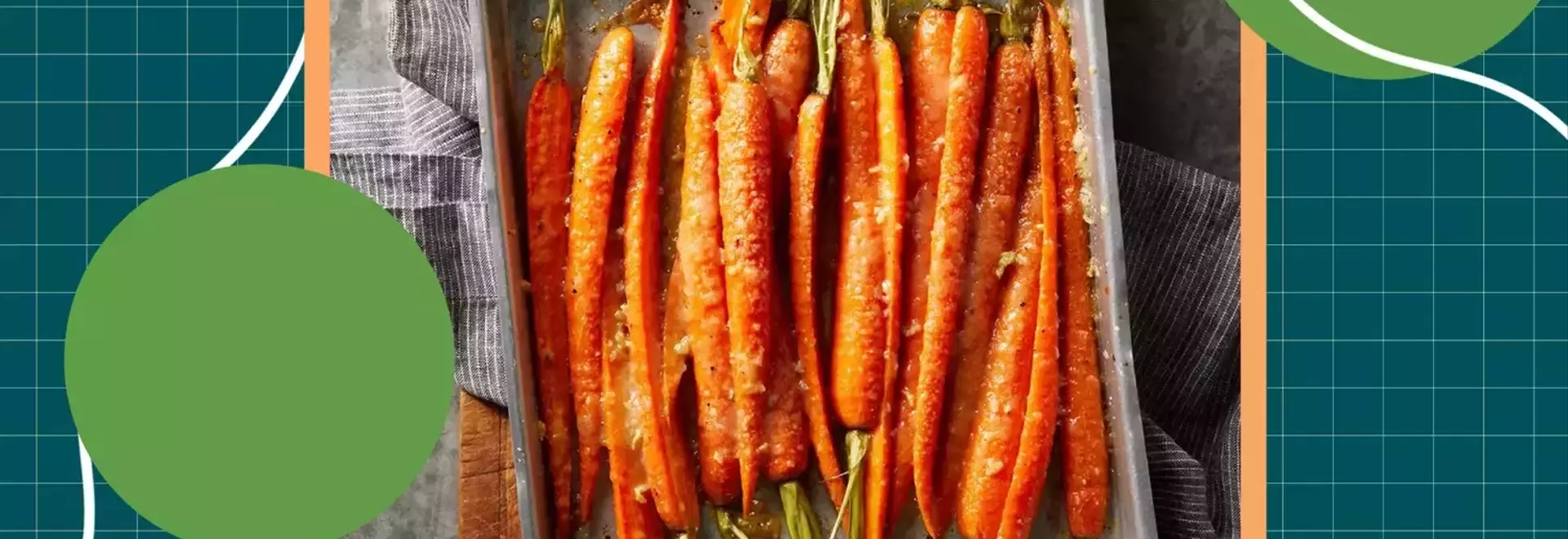
Celebrated chefs predominantly favor a low-and-slow cooking approach to carrots, advocating for methods like simmering and roasting. This technique is lauded for its ability to amplify the natural sugars within the vegetable, resulting in a richer flavor profile and a melt-in-your-mouth tender texture. Not only does this method transform the taste, but it also enhances the overall mouthfeel, making carrots a delightful addition to any meal, from savory sides to sweet treats. Culinary experts emphasize that patience in cooking carrots at lower temperatures unlocks their full potential, providing a depth of flavor that quick cooking methods often miss.
Maneet Chauhan, a distinguished culinary figure, cherishes the tradition of slow-cooking carrots, drawing inspiration from her childhood in India where red carrots were a seasonal delicacy. Her acclaimed recipe for gajar ka halwa, a traditional Indian dessert, exemplifies this philosophy. She meticulously simmers grated carrots in a modest amount of water before integrating whole milk, cardamom, saffron, and sugar, allowing the mixture to gradually reduce. This process culminates in exceptionally tender carrots, which are then enriched with ghee, paneer, and sweetened condensed milk, and cooked further until the pudding achieves a thick, spoon-standing consistency. Garnished with cashews, pistachios, and raisins, this dessert is best savored warm. Beyond desserts, the slow-cooking technique extends to savory preparations. Executive chef Alex Moreno of The Hideaway in Beverly Hills champions roasting carrots at 300°F until they are tender and slightly caramelized, typically for 45 minutes, creating a rich flavor profile. He recommends cutting them into thick batons and seasoning with olive oil and salt. After cooling, the roasted carrots are air-fried at 400°F for 8-10 minutes to achieve crispy edges, then tossed with a blend of warm honey, fresh lime juice, lime zest, and flaky salt, balancing sweet, tangy, and savory notes. Moreno's key advice includes not rushing the roasting process and allowing the carrots to cool before air-frying to maintain their shape and create a perfect textural contrast.
Diverse Culinary Methods and Carrot Types
Beyond the slow-cooking methods cherished by chefs, carrots can be prepared in various ways, each unlocking distinct flavors and textures. While raw carrots offer a crisp, refreshing bite, cooking them can transform their character, making them suitable for a broader range of culinary applications. Understanding these methods and the different carrot varieties enhances a cook's ability to maximize their potential in the kitchen.
Boiling offers a rapid cooking solution for carrots, with chopped pieces ready in approximately eight minutes. However, this method tends to diminish the carrots' flavor and nutritional content, making it more suitable for soups and stews where the leached nutrients contribute to the liquid's richness. Steaming, on the other hand, preserves more of the carrots' nutritional value and yields a tender texture. By breaking down cell walls, steaming also allows carrots to more readily absorb dressings, condiments, or fats like brown butter, enhancing their flavor profile. For baking, carrots are a versatile ingredient, perfect for shredding or grating into muffins and cakes. Additionally, the culinary world boasts over 500 carrot varieties, each with unique characteristics. Imperator carrots, known for their high sugar content and crisp texture, are ideal for raw consumption or salads. Danvers carrots, with their conical shape and nearly coreless flesh, become extra-tender when cooked and are often used for baby carrots. Nantes, a French variety, features a cylindrical shape and fine grain, making them excellent for juicing or eating fresh. Chantenay carrots are stout and sweet, with a firm texture that allows them to maintain their shape well during longer cooking times, making them a great choice for roasting or stews.
