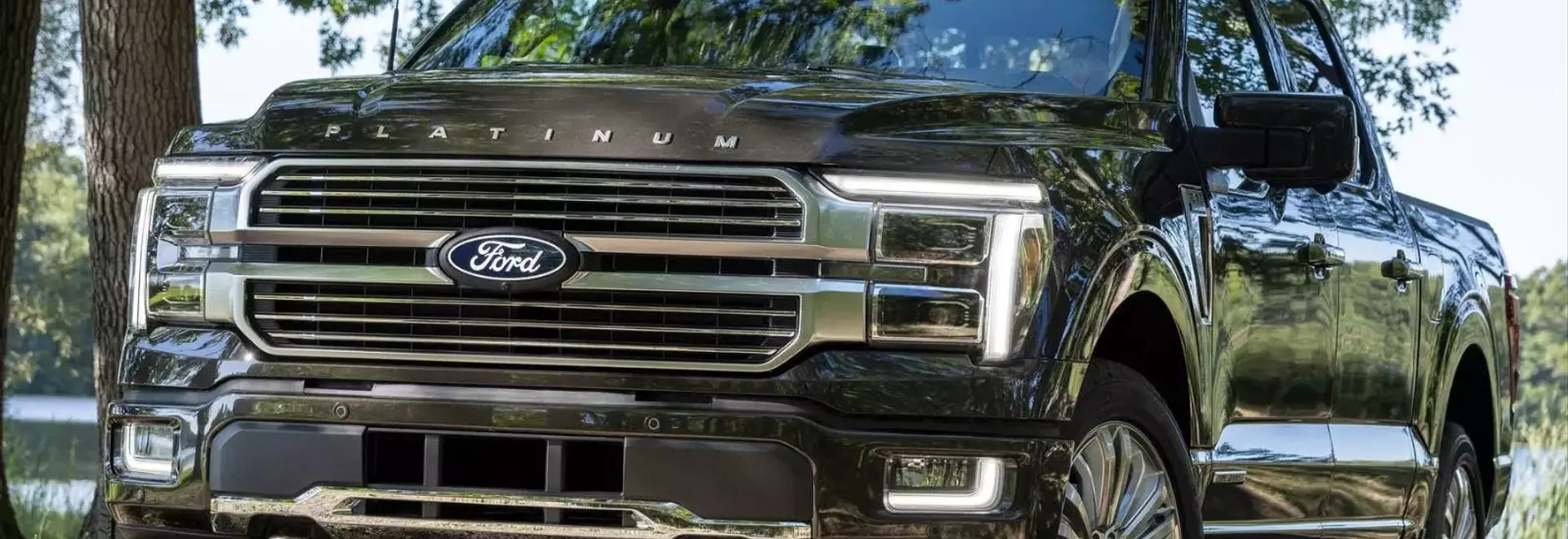
Ford F-150 Production Hampered by Aluminum Supply Issues
The Ford F-150 is currently experiencing significant supply chain disruptions and inventory shortages. This predicament stems from multiple fire incidents at Novelis, a key aluminum supplier, which have severely hampered its operational capacity. Consequently, Ford has been compelled to seek aluminum from international sources, incurring substantial import tariffs and escalating production expenses. This situation has not only impacted sales figures but also posed a considerable challenge to maintaining its market dominance in the competitive truck segment. While the company is actively working to restore normalcy in its supply chain, the long-term repercussions on its strategic planning and competitive standing remain a concern.
Supply Chain Disruption and Production Impacts
The Ford F-150, a flagship vehicle known for its aluminum body, is currently grappling with a severe supply shortage primarily caused by a series of fire incidents at its key aluminum supplier, Novelis. These events, occurring over a two-month period, have left the affected facilities operating below full capacity, leading to significant production delays and a substantial reduction in available inventory for dealerships. The impact has been widely felt, with some dealers reporting a drastic drop in truck availability, highlighting the critical nature of this supply chain vulnerability. This unforeseen disruption underscores the intricate dependencies within automotive manufacturing and the profound effect that a single point of failure can have on global supply networks.
The fires at Novelis have profoundly affected the Ford F-150's production, leading to a substantial decrease in inventory across dealerships. Some retailers have seen their stock plummet by as much as 43%, with one Kansas-based dealer reporting a reduction from approximately 700 units to merely nine. This scarcity is particularly acute, surpassing even the challenges faced during the COVID-19 pandemic. The F-150's reliance on aluminum, a defining feature of the truck, has inadvertently become its Achilles' heel in this crisis. The ongoing underperformance of Novelis's facilities, even months after the incidents, signals a prolonged period of adjustment for Ford. This situation not only impacts immediate sales but also poses questions about the resilience and diversification of critical supply chains in the automotive industry.
Financial Strain and Competitive Landscape
In response to the domestic aluminum shortage, Ford has been forced to procure materials from international suppliers to maintain F-150 production. However, this strategy comes at a considerable financial cost due to a 50% tariff imposed on imported aluminum. This has led to a significant increase in manufacturing expenses, putting Ford in a difficult position: either absorb higher costs to boost production and meet demand, or scale back production, risking market share loss to competitors like GM and Stellantis. The company's appeals to the White House for tariff relief have been unsuccessful, further compounding its financial burden. This scenario highlights the complex interplay between global trade policies, supply chain resilience, and corporate profitability in the automotive sector.
The financial ramifications of the F-150's aluminum shortage extend beyond immediate sales losses, as Ford faces substantial cost increases from importing aluminum subject to a 50% tariff. This tariff has turned an already challenging supply issue into a significant financial burden. The dilemma for Ford is profound: continue importing at high cost to fulfill demand and risk further escalating expenses, or reduce production, thereby ceding market share to rivals. This situation not only affects Ford's profitability but also its long-standing competitive advantage in the full-size pickup segment. Industry experts suggest that the F-150's historical supply lead has been eroded, paving the way for increased competition. While Ford anticipates normalizing supply by the latter half of the year through Novelis's full recovery, the crisis serves as a critical learning experience for future supply chain management and product development, especially with the next-generation F-150 slated for 2029.
