The Best Faucet Water Filters for Clean and Safe Drinking Water
This comprehensive evaluation delves into the world of faucet water filters, examining their efficacy in enhancing both the taste and safety of tap water. Across the United States, public tap water generally adheres to safety standards; however, it often carries an undesirable taste and odor due to chlorine used for disinfection. Moreover, the lingering presence of lead from aging infrastructure remains a concern. This review focuses on six popular faucet-mounted filters, rigorously assessing their installation process, water flow rates, ease of filter replacement, and, crucially, their impact on water taste and contaminant reduction. The findings reveal that while all tested filters improved the water's taste, their ability to remove harmful contaminants varied significantly based on their NSF/ANSI certifications. The Brita Elite and Pur Plus models emerged as superior choices for their extensive certification and contaminant removal capabilities, while the Waterdrop filter excelled in taste and flow rate, albeit with fewer health-related certifications.
Detailed Report on Faucet Water Filter Performance
In a recent comprehensive analysis, Zola Gregory meticulously examined six leading faucet-mounted water filters to ascertain their effectiveness and user-friendliness. The evaluation, which took place in a standard kitchen setting, focused on several key performance indicators: ease of installation, water flow rate, simplicity of filter replacement, and the crucial aspect of water taste during blind trials. The testing methodology included attaching each filter according to manufacturer guidelines, rigorously measuring the time taken to fill a gallon of water both with and without the filter to determine flow rate, and assessing the practicality of changing filter cartridges. A blind taste test, comparing filtered water against bottled and unfiltered tap water, provided insights into each model's ability to enhance flavor and eliminate undesirable odors, particularly those associated with chlorine.
A critical revelation from the study was the varying levels of certification among the filters, directly impacting their contaminant removal capabilities. The National Sanitation Foundation (NSF) and the American National Standards Institute (ANSI) set industry benchmarks, with certifications such as NSF/ANSI 42 (for aesthetic contaminants like chlorine), 53 (for health-related contaminants including lead), and 401 (for emerging contaminants like pharmaceuticals) being paramount. The Brita Elite and Pur Plus filters notably stood out, possessing all three certifications, thereby guaranteeing a broad spectrum of impurity reduction. Conversely, some models, like the Waterdrop filters, primarily focused on taste and odor improvement (NSF/ANSI 42), with one particular filter, AQUSOFT, lacking any verifiable certifications, raising questions about its overall effectiveness and safety. This underscores the importance of scrutinizing product certifications to ensure comprehensive water purification.
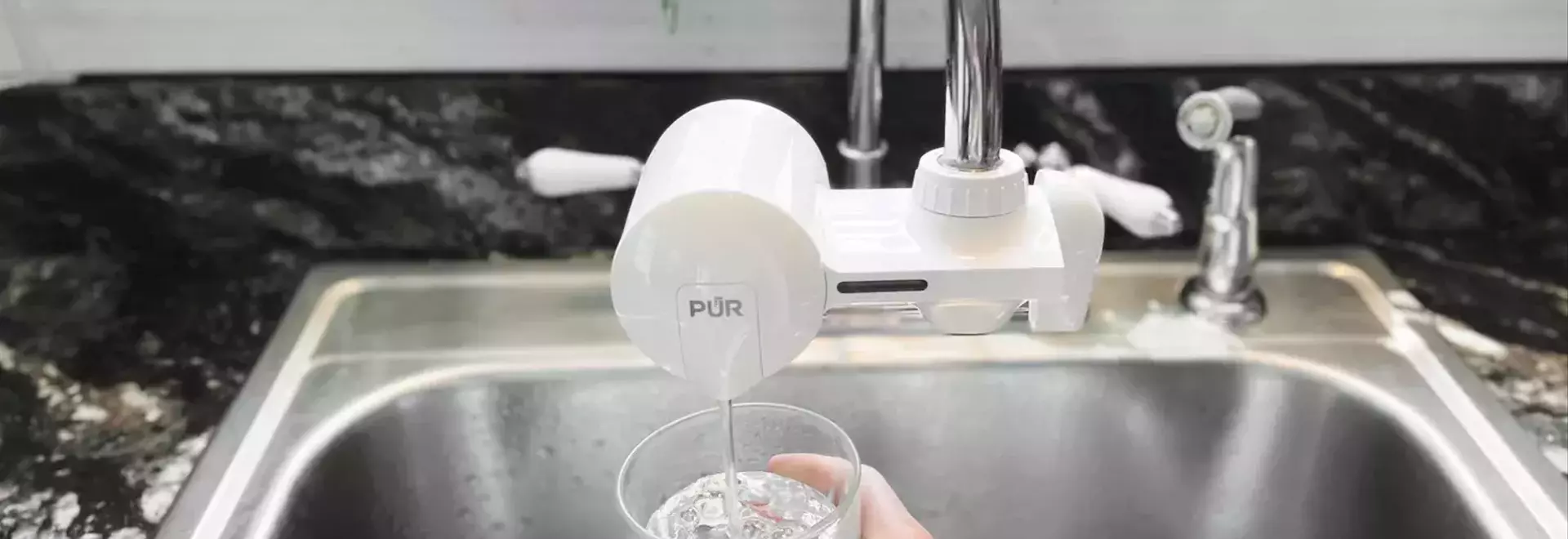
The study also highlighted a correlation between a filter's contaminant removal efficiency and its water flow rate. Filters with more extensive purification stages, such as the Brita and PUR models, typically exhibited slower flow rates (around 0.5 to 0.6 gallons per minute), as water is forced through multiple filtration layers. While this might slightly extend the time needed to fill large containers, it is a small trade-off for enhanced water quality. Installation complexity also emerged as a factor, particularly for faucets with inner threading, where achieving a leak-free seal sometimes required multiple attempts with adapters. However, the one-time installation nature and the generally straightforward process of replacing filter cartridges (which can be done without detaching the entire unit) mitigated this concern. The economic aspect of filter replacement was also considered, with PUR cartridges proving more budget-friendly than Brita’s, especially when purchased in multi-packs. This detailed examination provides consumers with a nuanced understanding of faucet water filters, guiding them toward informed purchasing decisions based on their specific needs for water purity and convenience.
This evaluation of faucet water filters provides crucial insights into ensuring cleaner and safer drinking water at home. The findings underscore that while all tested filters improved taste, not all are created equal in their ability to remove harmful contaminants. Consumers should prioritize filters with robust NSF/ANSI certifications (42, 53, and 401) to protect against a wide range of impurities, including lead. While the slower flow rate of highly certified filters might be a minor inconvenience, it's a small price to pay for superior water quality. Ultimately, making an informed choice about a faucet filter involves balancing aesthetic improvements, health protection, ease of use, and long-term cost-effectiveness. For those with specific faucet types or those seeking maximal contaminant removal, exploring alternatives like pitcher-style or undersink filtration systems might also be beneficial.
