Maximizing Sweetness: The Ultimate Guide to Storing Your Corn
The freshness and sweetness of corn are fleeting, a delicate balance that shifts rapidly after harvest. Understanding how to properly store this summer staple is key to enjoying its peak flavor. This guide explores the factors that influence corn's shelf life, from its inherent metabolic processes to the journey it takes from farm to table. Whether you're a farmers market enthusiast or a grocery store shopper, there are specific techniques to employ that will help maintain corn's delightful taste, ensuring that each bite is as sweet and flavorful as possible.
Unlocking the Sweetness of Corn: A Comprehensive Storage Guide
In the vibrant summer of 2022, a viral sensation dubbed "Corn Kid" captured hearts, coinciding with a personal culinary adventure centered around fresh corn. This period saw an abundance of farmers market corn transformed into delectable dishes like esquites, a Mexican street corn salad. The immediate preparation of these fresh cobs meant storage was rarely a concern. However, as culinary explorations expanded this past summer, often acquiring corn without a specific recipe in mind, the question of effective storage became paramount. While the conventional wisdom often advises against storing corn due to its rapid flavor degradation, the reality is more nuanced, depending on the corn's origin and variety. Insights from Mohawk chef and Corn Mafia owner, Smoke-McCluskey, shed light on these critical differences.
The Ephemeral Sweetness: What Happens as Corn Ages
Corn's inherent metabolic processes cause its sugars to convert into starch quickly, leading to a loss of sweetness. This scientific reality is the foundation for the long-held culinary dictum: "from field to pot without delay." Yet, the pace of this transformation is not uniform across all corn. Sweet corn, the variety most commonly consumed directly or in popular dishes like grilled corn ribs and cheesy corn, exhibits varying degrees of flavor retention based on whether it is sourced from a local farm or a commercial grocery store.
Grocery Store vs. Farmers Market: A Tale of Two Corny Origins
According to Harold McGee's seminal work, On Food and Cooking: The Science and Lore of the Kitchen, traditional sweet corn, typically found at local markets, can lose half its sweetness within three days due to the conversion of sugar into tasteless starches. Conversely, commercially cultivated sweet corn has been selectively bred to endure longer transit times and warehousing, preserving its sweetness for an extended period. Smoke-McCluskey notes that these modern varieties can remain sweet for five to six days in the refrigerator, often maintaining their quality despite having been off the stalk for a similar duration prior to purchase. The challenge for consumers at grocery stores is the lack of specific varietal labeling, making it difficult to ascertain the corn's exact type. At a farmers market, however, engaging with the grower can provide valuable information about the corn's variety and its optimal consumption window.
Selecting the Best Ears: A Guide to Purchasing Fresh Corn
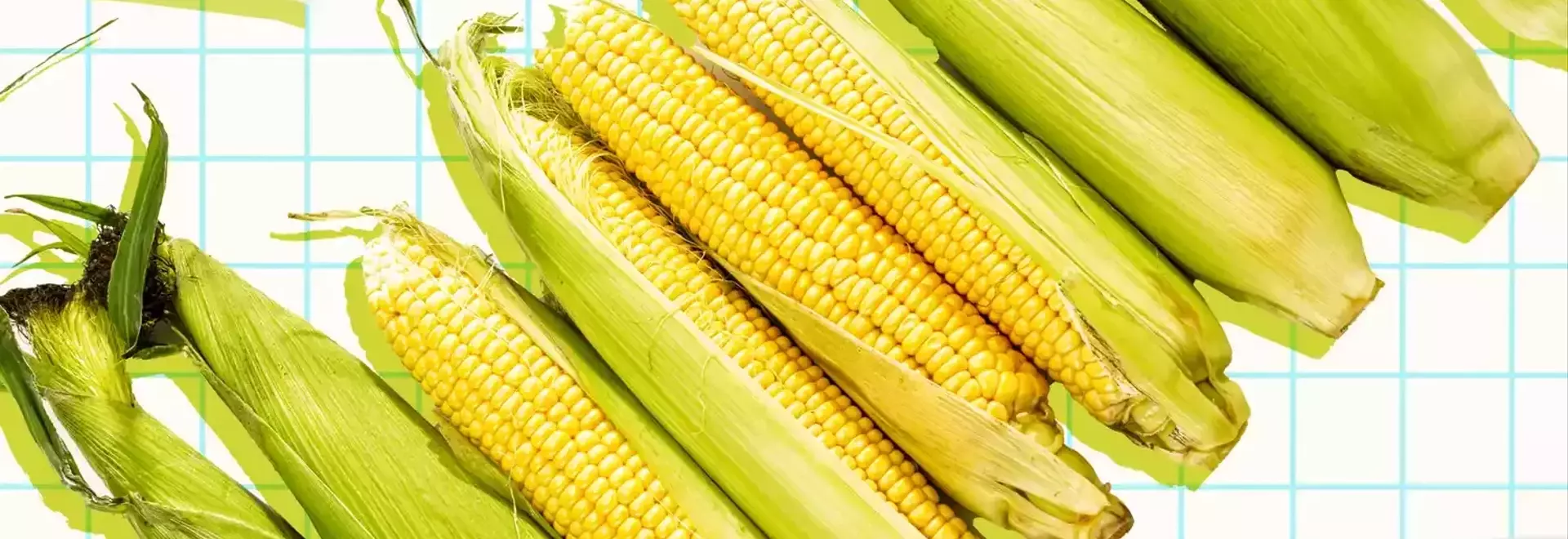
Regardless of the corn's origin, certain visual cues can help consumers identify the freshest ears. Smoke-McCluskey advises seeking out plump kernels. Additionally, the corn silk should be moist and pliable, not dry or brittle. A vibrant green husk, devoid of any tan discoloration, is another indicator of freshness. These simple observations can significantly enhance the chances of selecting high-quality corn.
Optimal Preservation: Storing Corn for Short and Long Terms
For short-term storage, keeping corn in its husk within the refrigerator's crisper drawer can slow the sugar-to-starch conversion. While immediate consumption remains ideal, grocery store varieties might last five to six days, whereas more traditional or sensitive farmers market corn should be consumed within one to two days. When in doubt, consulting with the produce manager or farmer is recommended.
For extended preservation, freezing is the most effective method. This involves blanching the corn in boiling water for one minute, rapidly cooling it in ice water, then carefully removing the kernels. These kernels should be spread on a baking sheet and frozen solid before being transferred to an airtight zipper-lock bag, where they can be stored for up to three months. This process ensures that the corn's sweetness and texture are largely retained for future culinary endeavors.
This detailed understanding of corn's characteristics and storage requirements empowers consumers to make informed choices, guaranteeing a flavorful experience every time.
The journey of a corn cob from the field to our plates is a race against time, a delicate dance between sweetness and starch. This exploration into corn storage has highlighted the importance of informed decisions, not just in the kitchen, but at the point of purchase. The advice from Chef Smoke-McCluskey underscores a deeper connection to our food sources and the knowledge held by those who cultivate them. It’s a reminder that convenience often comes with trade-offs, and sometimes, a little extra effort in seeking out information or employing proper preservation techniques can yield significantly more flavorful rewards. Ultimately, cherishing the fleeting peak of corn's sweetness transforms a simple ingredient into a culinary delight, urging us to be more mindful consumers.
