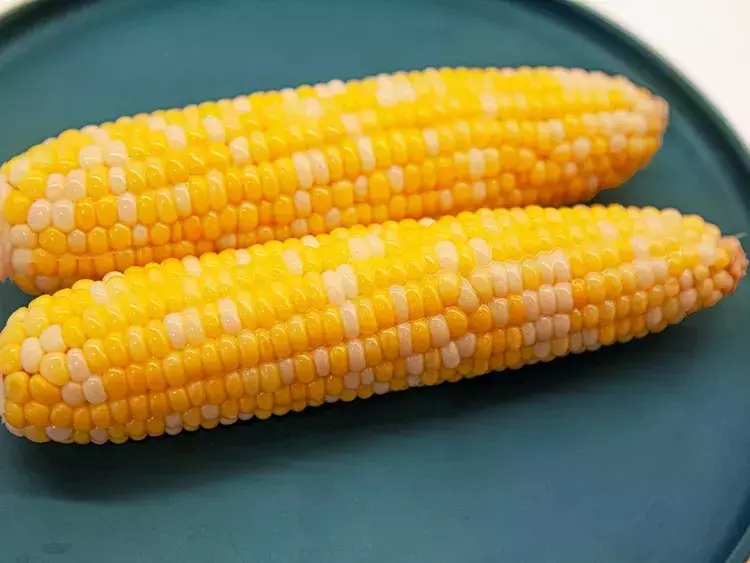
Optimal Corn Cooking: A Guide to Achieving Perfect Texture and Sweetness
Achieving perfectly cooked corn on the cob is a culinary quest that many home cooks undertake, often relying on traditional methods passed down through generations. However, this exploration into corn preparation reveals that conventional boiling may not be the optimal approach. Instead, techniques focusing on precise temperature control, such as a cold-start immersion method and steaming, consistently deliver superior results, preserving the corn's inherent sweetness and achieving a tender, plump kernel texture.
Many people assume that boiling is the definitive way to prepare corn, but this can often lead to overcooked, shriveled kernels. Our investigation shows that the key to ideal corn lies in understanding the delicate balance between gelatinizing starches for a creamy texture and preventing the breakdown of pectin, which is crucial for maintaining the kernels' plumpness. Traditional boiling, with its high temperatures, tends to accelerate pectin degradation, leading to a less desirable outcome. Therefore, exploring alternative cooking methods becomes essential for those seeking truly exceptional corn.
The "cold-start" method stands out as a highly effective approach. This technique involves placing husked corn in a pot of cold water, then gradually heating it to a precise temperature of 180°F (82°C). Once this temperature is reached, the pot is covered, the heat is turned off, and the corn is allowed to steep for 10 to 25 minutes. This gentle, controlled heating process ensures uniform cooking without subjecting the kernels to the harsh conditions of a rolling boil. The result is consistently plump, tender, and juicy corn, with its natural sweetness fully intact. This method's flexibility, allowing for a broader window of perfect doneness, further enhances its appeal for everyday cooking.
Steaming also proved to be an excellent alternative to boiling. By placing corn on a steamer rack over boiling water, the kernels are cooked by moist heat, which is less aggressive than direct submersion in boiling water. This method cooks the corn gently and efficiently, yielding tender and vibrant results in just 3 to 4 minutes. While the steam itself reaches a higher temperature (212°F or 100°C at sea level), its lower density compared to water allows for a more controlled cooking process, minimizing the risk of overcooking and shriveling. The reduced water volume required for steaming also translates to quicker heating times and lower energy consumption, making it a practical and environmentally conscious choice.
For those seeking ultimate convenience, especially when preparing a single serving, microwaving corn in its husk emerges as a surprisingly effective and efficient method. The husk acts as a natural steaming jacket, trapping moisture and creating a perfect environment for the kernels to cook. This technique eliminates the need for any additional water, saving both time and cleanup. While cooking times may vary slightly depending on the microwave's power and the corn's size, a few minutes on high power typically yields a tender, flavorful ear. It is crucial to microwave the corn with its husk intact to maximize this natural steaming effect and avoid unnecessary waste from paper towels.
Finally, the debate over salting cooking water for corn was also addressed. While some believe that salt cannot penetrate the kernels quickly enough to make a difference, testing showed that salt does indeed adhere to the surface and permeate the tight spaces between kernels, providing a noticeable seasoning even after rinsing. Therefore, adding salt to the cooking water is a valid option for achieving evenly seasoned corn, similar to preparing pasta. However, it's not strictly necessary, and salting the corn after cooking is also an effective way to enhance its flavor. Adding corn husks to the cooking water, however, proved to be an ineffective and unnecessary step.
