The Art of Engine Tuning: Unlocking Automotive Performance
Optimizing engine performance fundamentally involves increasing airflow. Because an engine consumes significantly more air than fuel by weight, its power output is primarily dictated by the volume of air it can process. Historically, boosting an engine's capabilities meant mechanical adjustments such as enhancing carburetor or throttle body sizes, implementing advanced camshafts for improved valve operation, refining cylinder heads, increasing operational RPMs, installing superior exhaust components, expanding displacement, or integrating superchargers and turbochargers. The skill of tuning lay in harmonizing these various modifications.
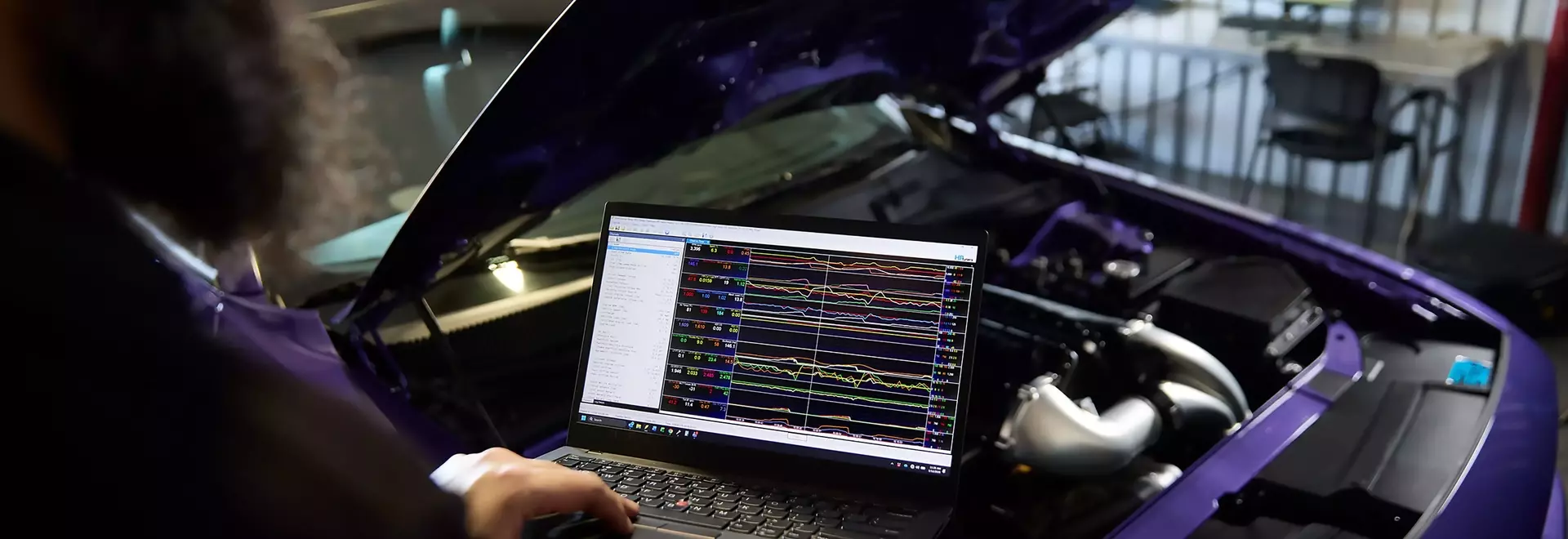
In contrast to the older methods of mechanically adjusting carburetors and ignition timing, contemporary vehicles feature advanced engine management systems. These systems, controlled by dedicated computers, precisely regulate fuel delivery and spark timing based on numerous sensor inputs and driver commands. They also manage complex features like variable cam phasing, two-stage oil pumps, and assistance from various forced induction methods and electric motors. These computerized controls enable modern engines to achieve previously unimaginable levels of power and torque, combined with exceptional fuel efficiency, minimal emissions, and reliable operation. Despite these advancements, the principle remains: increasing power still requires greater airflow, necessitating the precise calibration of fuel and spark timing, albeit through digital means rather than mechanical adjustments.
However, modern digital tuning presents its own set of complexities, largely due to the proprietary nature and encrypted engine control units (ECUs) used by manufacturers. Automakers safeguard their control algorithms to prevent competitors from reverse-engineering their technology, mitigate regulatory issues related to emissions, and avoid liability for modifications that could lead to engine failure or accidents. Overcoming these barriers often involves unconventional methods, including specialized software and expertise in deciphering complex code. Prominent tuners like Steve Dinan, founder of CarBahn, and companies such as Lingenfelter Performance Engineering (LPE) and Cobb Tuning, employ extensive testing and specialized tools to unlock and recalibrate ECUs. They offer a range of solutions, from software-only modifications that increase boost pressure in turbocharged engines to comprehensive hardware upgrades and “piggyback” systems that manipulate sensor inputs to enhance performance. These methods allow for substantial power increases, but emphasize the importance of selecting reputable tuners with proven track records to ensure both performance and engine integrity.
The pursuit of enhanced vehicle performance is a journey that blends technical expertise with innovation. From mechanical adjustments to sophisticated digital reprogramming, the evolution of engine tuning reflects a continuous drive to push boundaries. This field not only showcases the ingenuity of those who modify vehicles but also highlights the importance of responsible engineering and rigorous testing. As technology advances, the opportunities for improvement grow, but so does the complexity of maintaining balance between raw power and operational integrity. Ultimately, success in engine tuning underscores the value of precision, knowledge, and a commitment to quality, ensuring that every modification contributes positively to the vehicle's capabilities while upholding safety and reliability.
