Volvo's CCO on EX60, Manufacturing, and Subscription Models
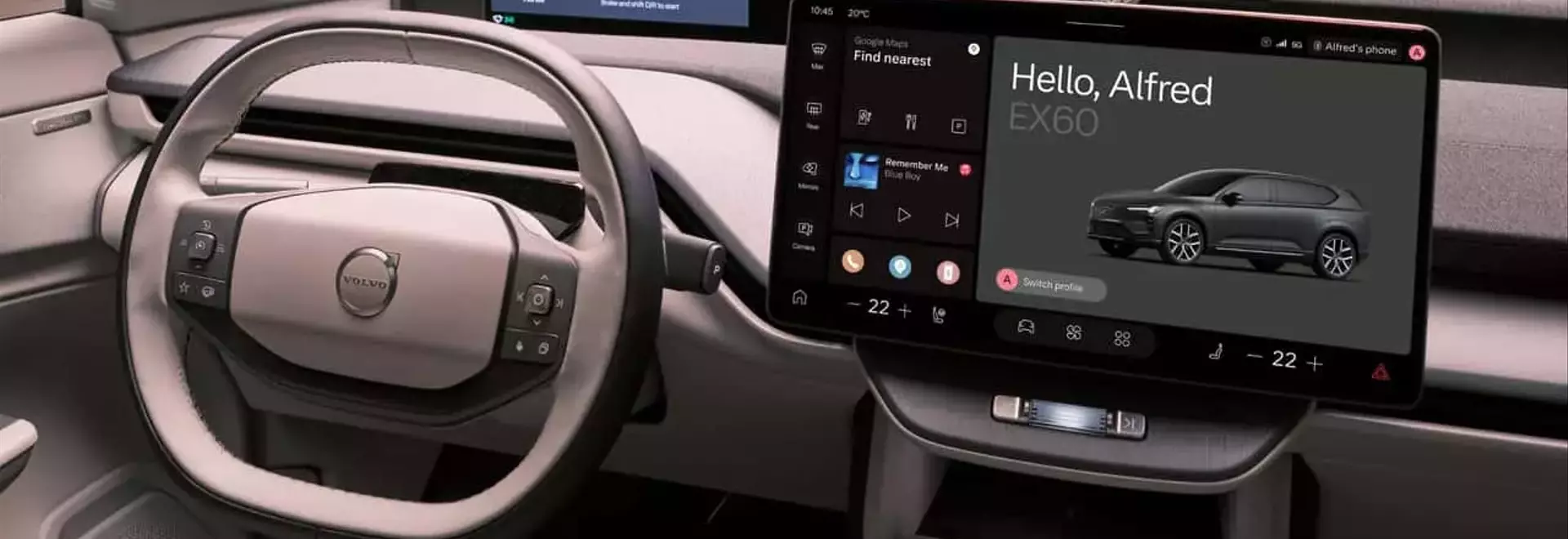
Volvo, a company renowned for its commitment to excellence and thoughtful engineering, stands at a pivotal moment in its illustrious history. The initiation of EX60 production in Gothenburg marks a significant milestone, representing Volvo's pioneering electric vehicle manufactured in Sweden. This endeavor signifies a substantial financial commitment exceeding $1 billion, channeled into establishing megacasting technology at the Torslanda facility. Against this backdrop, an interview with Eric Severinson, Volvo's Chief Commercial Officer, sheds light on the company's trajectory and its perspective on broader industry trends.
Severinson elaborates on the strategic decision to invest heavily in infrastructure, particularly highlighting megacasting technology. He explains that the primary cost lies not in the molds themselves, but in the extensive machinery, specialized buildings, and integrated processes required. This foundational investment, once established, allows for the introduction of new models with significantly reduced additional capital expenditure, creating a versatile framework for future vehicle development. This strategy is being replicated in Volvo's new plant in Slovakia, designed with an eye toward future models.
Regarding the EX60's SPA3-platform batteries, Severinson clarifies that while the cells are sourced from Sunwoda and CATL in China, the crucial step of converting these into complete battery packs occurs in-house at Torslanda. This internal assembly, bonding, integration into the vehicle floor, and fitting with connectors distinguish Volvo from many competitors who opt for pre-built modules. This approach allows Volvo greater control over the battery's quality and integration.
The discussion also touches upon the scalability advantages of modular platforms. By maintaining consistent interfaces between components, the architecture can be flexibly adapted to produce a diverse range of vehicles, from compact models to high-end offerings like the EX90. The software, unified under a single electrical architecture for all SPA2- and SPA3-based vehicles, enables rapid, centralized updates, transforming the car into a continuously evolving product akin to a smartphone, a concept set to redefine the automotive industry.
A critical aspect explored is the financial impact of innovations like megacasting and cell-to-body integration. Electric vehicles inherently face a cost disadvantage due to raw materials being approximately three times more expensive than those for internal-combustion engines. Therefore, achieving cost parity necessitates highly efficient manufacturing processes. Severinson notes that an electric motor contains significantly fewer parts than a combustion engine, but the true gains come from a complete re-evaluation of the production process. Megacasting reduces the cost of the rear floor structure by about 30 percent, and cell-to-body integration, where cells form part of the floor structure, further cuts complexity and cost by another 30 percent. The ultimate goal is to bring EV costs in line with plug-in hybrids, removing the price barrier for consumers who appreciate EVs but are unwilling to pay a premium solely for electrification.
Addressing concerns about repairability and reliability, Severinson emphasizes that Volvo designs its batteries to last the vehicle's lifetime, offering a 10-year warranty—a level of coverage rarely seen for combustion engines. While structural components produced via megacasting may pose more complex repair challenges, existing methods can address these, and insurance premiums for EVs are often lower than for traditional vehicles. The target demographic for the EX60 is primarily families in their early to mid-40s with a stable income, though initial orders also reveal interest from diverse groups, including those downsizing from larger SUVs or drawn to the EX60's design and advanced audio system.
Looking ahead, Severinson discusses the evolving demand for EVs across different regions. He expresses confidence in Europe's electrification path, citing rising energy prices and increased online interest. However, he acknowledges the more complex landscape in the United States, where the EV market faces challenges from waning incentives and a renewed focus on combustion engines. China, he predicts, will see electrification driven by more affordable segments and local manufacturers. He foresees a world significantly more electrified within five years, with EVs dominating by 2030-2035 in Europe.
The role of dealerships remains central to Volvo's commercial strategy, requiring collaborative evolution to meet the demands of an increasingly digital and competitive market. The focus is on enhancing the online experience, attracting customers to showrooms, and delivering personalized service. A particularly strong stance is taken against in-car subscriptions for basic features like heated seats, with Severinson asserting that premium product buyers should not be subjected to "nickel-and-diming." He suggests that subscriptions are more appropriate for comprehensive, software-based services, such as connectivity packages or advanced driver-assistance suites, drawing a parallel to streaming services that offer additional, valuable content. The overarching principle is to provide a premium, seamless customer experience, which ultimately generates both value and profit.
The discussion provides a comprehensive look into Volvo's strategic direction, highlighting its commitment to innovation, customer satisfaction, and a sustainable future within the rapidly transforming automotive landscape. The company's proactive approach to manufacturing efficiency, battery technology, and consumer-centric business models positions it as a significant player in the global shift towards electric mobility.
