US's Evolving Role in Global Climate Negotiations Amidst Policy Reversals
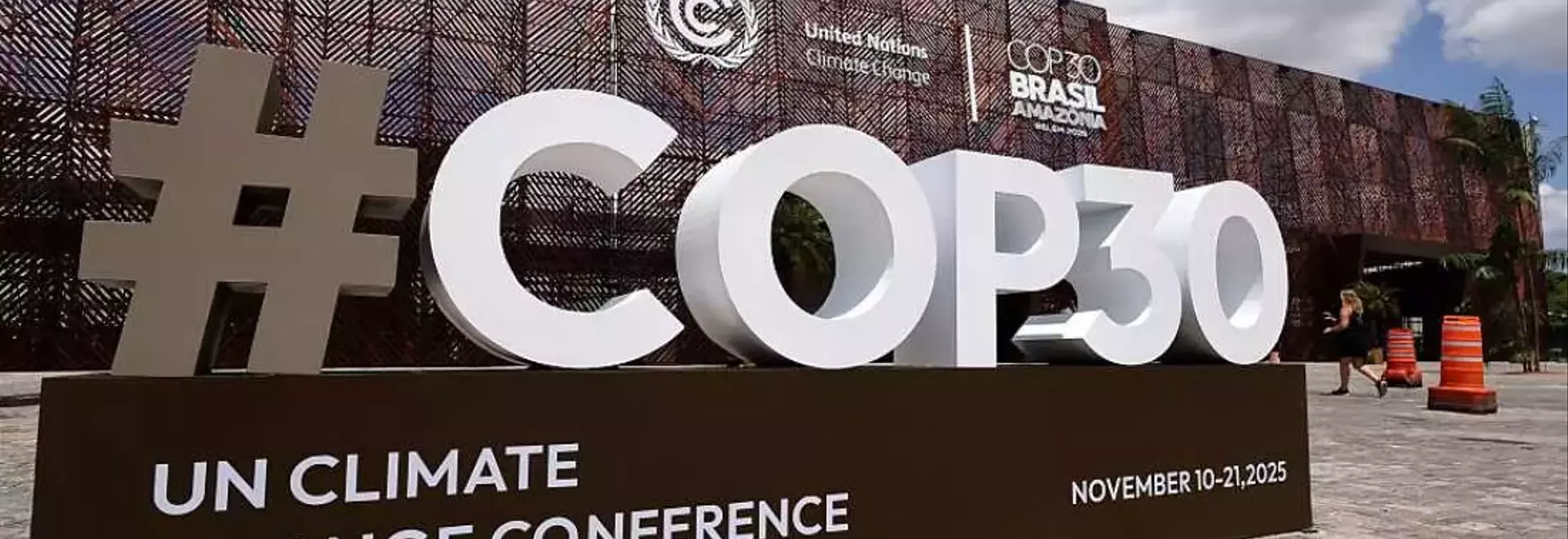
Nations worldwide are convening in Belém, Brazil, for the COP30 climate summit, a pivotal gathering dedicated to deliberating global climate change responses. However, a notable shift is observed in the United States' participation, as it will not assume an active role in these critical discussions, breaking from a long-standing tradition of high-level engagement. This change in stance underscores a broader trend of policy reversals by the current US administration concerning environmental protection and climate action, raising concerns about the future trajectory of international climate efforts.
The current US administration's approach to climate change represents a significant departure from previous commitments. Since January, the nation formally withdrew from the landmark 2015 Paris Agreement, an accord where countries pledged to limit global warming. The White House has openly challenged the scientific consensus on global warming, describing efforts to mitigate it as a "hoax." This perspective has translated into tangible policy shifts, including a sweeping deregulation agenda impacting over two dozen environmental rules. These actions are seen by critics as undermining progress made in reducing greenhouse gas emissions and adapting to climate risks like extreme weather events.
A central pillar of the administration's policy overhaul involves challenging the 2009 "endangerment finding" by the Environmental Protection Agency (EPA), which classified carbon dioxide and other greenhouse gases as threats to public health. By seeking to invalidate this finding, the administration aims to dismantle the legal foundation for numerous climate policies. This move could potentially ease restrictions on greenhouse gas emissions from power plants, despite their significant contribution to global climate pollution. Furthermore, the administration has reduced federal support for renewable energy technologies, redirecting focus towards fossil fuel exploration and cutting funding for green energy projects and consumer incentives for climate solutions. These shifts have led to a substantial decline in US renewable energy investments and concern among global climate experts about their ripple effects on international climate goals.
The impact of these policy changes extends to climate science and disaster preparedness. The administration has systematically reduced support for climate research, dismissing experts involved in critical assessments and removing climate data from federal websites. Funding cuts have also targeted climate-preparedness grants, leaving communities more vulnerable to escalating climate-related disasters. These actions indicate a diminished federal commitment to understanding and mitigating climate change impacts, prompting calls for states to assume greater responsibility in disaster preparation.
The US's current position at the COP30 summit and its recent domestic policy changes signal a notable shift away from international climate leadership. These actions have global implications, potentially influencing other nations' commitments to climate action and underscoring the challenges in achieving unified global efforts against climate change.
