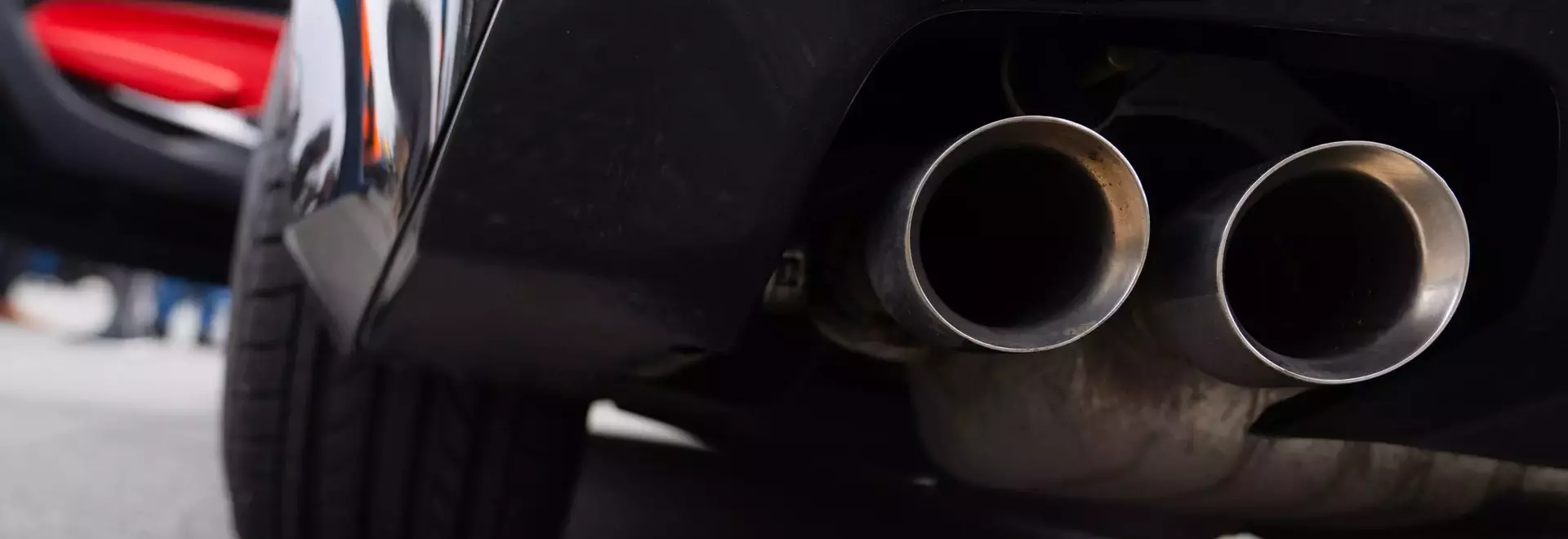
Understanding Automotive 'Pops and Bangs': Anti-Lag Systems vs. Burble Tunes
The automotive world is increasingly filled with vehicles exhibiting distinctive exhaust sounds, often characterized by crackles and pops, sometimes accompanied by visible flames. This phenomenon, widely observed in both everyday driving and on social media, stems from two fundamentally different engine technologies: anti-lag systems and burble tunes. While both produce similar auditory effects, their underlying purposes, operational mechanisms, and impacts on vehicle components vary significantly. Understanding these differences is crucial for any car enthusiast or owner considering modifications to their vehicle's exhaust.
At the heart of both anti-lag systems (ALS) and burble tunes lies the turbocharged engine, a common feature in modern performance vehicles. A turbocharger comprises two main components: a turbine, driven by exhaust gases, and a compressor, which forces compressed air into the engine's intake. A perennial challenge with turbochargers is 'turbo lag' – a delay in boost generation when the driver transitions from off-throttle to on-throttle. This lag occurs because the exhaust flow drops, causing the turbo to decelerate, and it takes time to spool back up to optimal speed. While often manageable in street driving, turbo lag presents a significant performance hurdle in high-stakes environments like rally racing, where immediate power delivery is paramount.
Anti-lag systems are a sophisticated motorsport innovation designed to counteract turbo lag. These systems function by maintaining turbocharger speed even when the throttle is closed. This is achieved by continuing to inject fuel into the engine, but with severely retarded ignition timing. As a result, combustion does not occur efficiently within the engine cylinders but rather ignites in the exhaust manifold and turbocharger itself. This controlled explosion outside the engine keeps the turbine spinning at high RPMs, ensuring that full boost is available the instant the driver re-applies the throttle. The aggressive, machine-gun-like rattle characteristic of rally cars during braking is a direct auditory manifestation of this constant, controlled combustion. While incredibly effective for performance, ALS places extreme stress on components, leading to rapid wear and tear on exhaust manifolds and turbos, necessitating frequent rebuilds – a cost factor acceptable in professional racing but impractical for road cars.
In contrast, burble tunes, also known as pop-and-bang tunes, are primarily aesthetic modifications to a street car's engine control unit (ECU). Their purpose is to generate the desired exhaust crackles and pops during deceleration or throttle lift, mimicking the sound of a high-performance vehicle without offering significant performance benefits. The mechanism involves delaying ignition timing during overrun conditions, allowing unburned or partially combusted fuel to enter the hot exhaust system. This fuel then ignites, creating the audible detonations. Some tunes also manipulate fuel cut strategies to enhance this effect. While factory performance cars like BMW M models or Audi RS models may incorporate a milder version of this sound, aftermarket burble tunes can be more aggressive. However, such modifications can accelerate wear on exhaust valves and catalytic converters due to increased heat and combustion events within the exhaust system, potentially compromising emissions compliance and component longevity.
In essence, both anti-lag and burble tunes deliver an exhilarating aural experience of a high-performance engine, but they operate in vastly different realms. Anti-lag is a critical, performance-enhancing technology born from the demands of competitive motorsports, where every fraction of a second counts, and component wear is an expected trade-off. Burble tunes, on the other hand, cater to the desire for an aggressive exhaust note in street cars, offering an impression of performance rather than actual functional gains. Car enthusiasts must weigh the pros and cons, considering the impact on vehicle durability and emissions, before opting for either of these distinct engine modifications.
