BMW X5's Split Tailgate Discontinued: What's the Real Reason?
Cars

BMW X5's Split Tailgate Discontinued: What's the Real Reason?

authorBy Jeremy Clarkson
DateJul 02, 2026
Read Time2 min

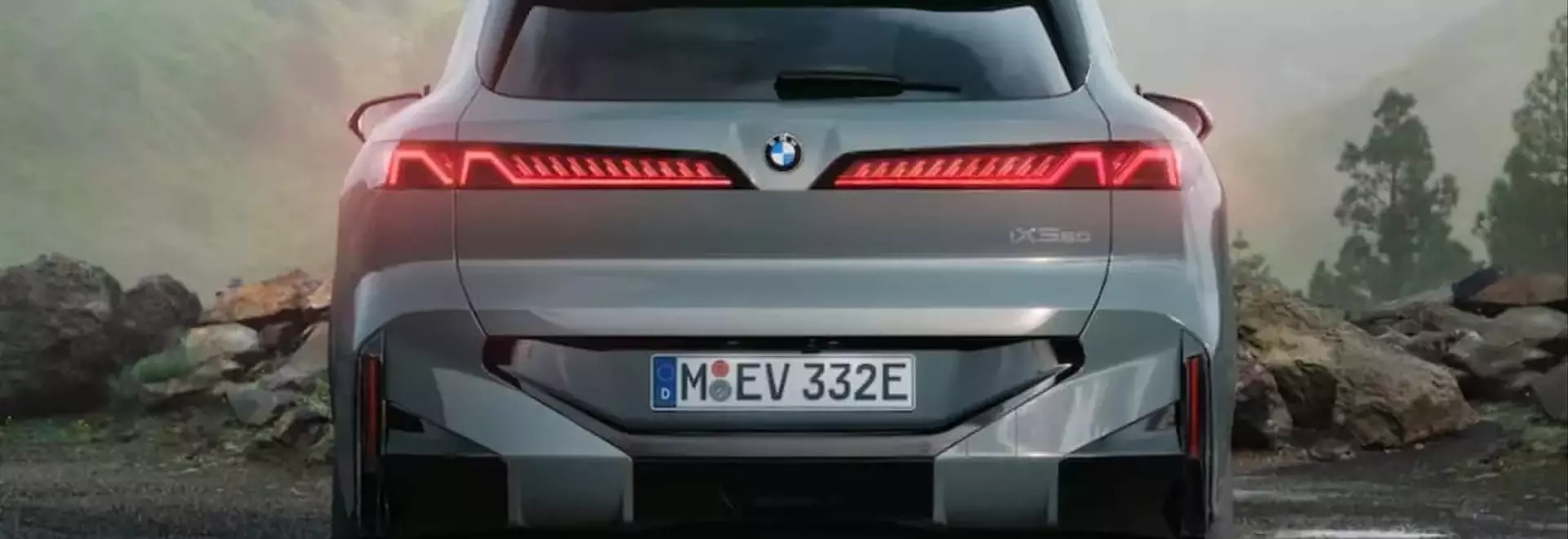
The automotive world is abuzz with BMW's recent announcement regarding the discontinuation of the iconic split-folding tailgate in its latest X5 model. This distinctive feature, a hallmark of the X5 since its debut in 1999, has been a favorite among enthusiasts. The decision comes as other manufacturers, such as Toyota with its Land Cruiser, have already phased out similar designs, leaving the X5 as one of the last vehicles to retain this unique functionality until now.

During the X5's official launch event in Spartanburg, South Carolina, a BMW executive explained the rationale behind this significant alteration. According to the Director of Luxury Class Cars for BMW Alpina and Rolls-Royce, Philip Koehn, the change was influenced by customer feedback. He noted that the split tailgate, while aesthetically pleasing, presented practical challenges for individuals of average height when loading or unloading items from the boot. Additionally, Koehn highlighted a design shift towards a more streamlined rear profile, necessitated by the new X5's faster roofline. This new design aims to enhance the overall width of the boot's opening, despite reducing the total height of the tailgate. However, the absence of concrete data supporting these claims has led to speculation, especially given the strong positive sentiment expressed by current and past owners on social media regarding the convenience and utility of the split tailgate.

The 2027 BMW X5, set to arrive in dealerships by late 2026, will offer a diverse range of powertrains, including gasoline, plug-in hybrid, and electric options. Nevertheless, it will notably lack the traditional split tailgate. Many observers believe that beyond the stated reasons, the redesign might also be driven by cost-saving initiatives or a strategic move to improve aerodynamic efficiency, particularly for the electric iX5 variants. Regardless of the underlying motives, the removal of this cherished feature marks the end of an era for the X5, leaving many to lament the loss of what they considered a superior cargo access system in the SUV market.

Innovation in automotive design should always consider both aesthetic appeal and practical utility. While progress often necessitates change, it is crucial for manufacturers to carefully balance evolving trends with the features that genuinely enhance user experience and define a vehicle's character. The X5's journey underscores the ongoing dialogue between tradition and modernity in the automotive industry.

More Articles
Cars
The Evolution of Corvette: A Journey Through Decades of Speed
Delve into the storied history of the Chevrolet Corvette, an iconic American sports car, as we chart its acceleration performance from its 1953 inception to the present day. This article highlights the quickest 0-60 mph times for key models across different generations, showcasing the Corvette's continuous evolution in power and engineering.
By Henry FordJul 02, 2026
Cars
Hyundai's Hybrid Dominance Drives Record Sales in Early 2026
Hyundai Motor America achieved its best-ever first-half sales in 2026, selling 450,568 units, a 3.0% increase from the previous year. This remarkable growth is largely attributed to the surging popularity of its hybrid models, which now constitute one-third of all sales. June 2026 alone saw a 74% increase in hybrid sales, underscoring a significant shift in consumer preference towards electrified vehicles and validating Hyundai's strategic focus on hybrid technology.
By Larry ChenJul 02, 2026
Cars
A Look Back at the 1992 Mazda 929: A Blend of Beauty and Quirks
Revisiting the 1992 Mazda 929, this article explores its luxurious design and advanced features that made it stand out in the competitive luxury sedan market. Despite its undeniable aesthetic appeal and comfortable interior, the car presented a few functional compromises, such as a compact trunk and specific driving dynamics that demanded a driver's adaptation. The review delves into both its strengths and its peculiarities, offering a comprehensive perspective on this distinctive vehicle.
By Henry FordJul 02, 2026
Cars
A Retrospective Look at the 1992 Mazda 929
Delve into the design and features of the 1992 Mazda 929, a sedan noted for its elegant aesthetics, particularly its distinctive front fascia. While praised for its visual appeal, the vehicle's performance and overall attributes present a mixed assessment, as explored through various images.
By Akira MarutaJul 02, 2026
Cars
2026 Jeep Grand Cherokee Summit: A Detailed Performance Review
The 2026 Jeep Grand Cherokee Summit showcases a luxurious interior and improved fuel economy thanks to its new 324-hp turbocharged 2.0-liter inline-four engine. Despite its handsome appearance and advanced features, the vehicle struggles with noticeable engine lag, a harsh ride over rough terrain, and a less-than-intuitive climate control system. It offers competitive acceleration but ultimately falls short of a truly dynamic driving experience, earning a 'tropical storm' rather than 'hurricane' verdict.
By Larry ChenJul 02, 2026