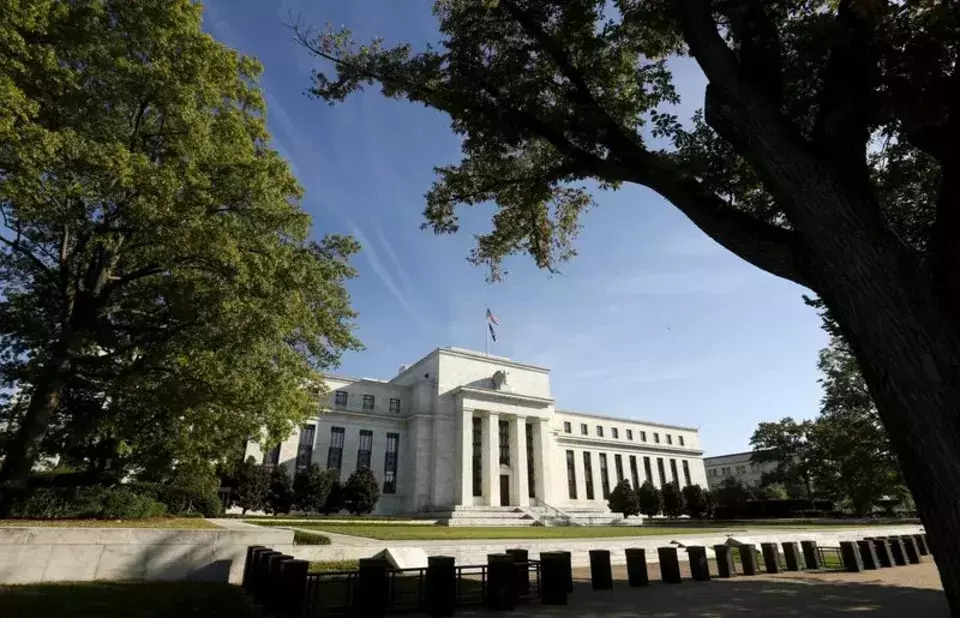
U.S. Banks Await Federal Reserve Stress Test Results
Money

U.S. Banks Await Federal Reserve Stress Test Results

authorBy Scott Pape
DateJun 24, 2026
Read Time2 min

The Federal Reserve's recent stress test results, covering 32 major U.S. banks including industry giants like JPMorgan and Bank of America, are now public, offering a current snapshot of the financial sector's resilience.

This year's stress test outcomes are anticipated to be less disruptive compared to previous cycles, primarily because the Federal Reserve announced in February that it would not be revising the stress capital buffer for individual firms based on these results. This buffer, which is an additional capital requirement for large financial institutions, typically fluctuates with their performance in these tests. With the buffers remaining unchanged, banks already possess the necessary information to formulate their capital distribution strategies, which encompass decisions on stock repurchases and dividend adjustments. Analysts from Raymond James foresee that most banks will proceed with moderate dividend distributions and stock buyback initiatives. This cautious approach is largely influenced by prevailing global geopolitical and macroeconomic uncertainties, alongside inflationary pressures.

Furthermore, financial experts suggest that banks are likely to delay significant adjustments to their capital strategies until regulators finalize the implementation of new capital regulations, notably the Basel proposal concerning risk-weighted capital. These impending regulatory shifts could potentially free up billions of dollars in capital, which banks could then either return to investors or reinvest into their operations. KBW analysts have noted that the banking sector is currently well-capitalized, with many institutions holding capital reserves that exceed their implied pro forma target ratios and regulatory mandates. This strong capital position allows the industry to benefit from the current momentum towards deregulation. The Federal Reserve is actively revamping its stress testing methodology, a move prompted by ongoing criticisms from the banking industry regarding the tests' perceived opacity and subjectivity. As the central bank continues to gather feedback on its transparency enhancement plans, it has opted to maintain existing capital levels based on the previous year's assessment.

The current stability within the banking sector, bolstered by robust capital, positions financial institutions to adeptly navigate future economic shifts and regulatory evolutions. The measured approach adopted by bank executives, coupled with forthcoming regulatory clarity, aims to foster sustained financial health and support economic stability.

More Articles
Money
Blue Star Gold Launches Second Phase of Nunavut Drilling Operations
Blue Star Gold has initiated the second phase of its drilling program at the North Nutaaq and Auma targets in Nunavut, Canada. This phase follows an initial campaign focused on volcanogenic massive sulfide (VMS) bodies and aims to further explore critical mineral and gold prospects. The company plans to drill approximately 2,000 meters in the Auma program, building on promising grab samples and historical drilling results.
By Dave RamseyJun 24, 2026
Money
Conrad's Mako Gas Project: Connecting to the West Natuna Transportation System
Conrad Asia Energy announced that PLN Energi Primer Indonesia (PLN EPI) has successfully completed a "hot tap" connection to the West Natuna Transportation System (WNTS). This crucial link will facilitate the Pemping gas pipeline project, serving Conrad's Mako gas field in Indonesia's Natuna Sea. The Mako gas field is projected to commence production in the fourth quarter of 2027, significantly enhancing gas infrastructure and supply for Indonesia's domestic market.
By JL CollinsJun 24, 2026
Money
SEC Expands Scrutiny into Private Equity's 'Continuation Vehicles'
The U.S. Securities and Exchange Commission (SEC) enforcement division is intensifying its investigation into "continuation vehicles" (CVs) used by private equity firms. These funds allow managers to extend asset holding periods and manage liquidity in challenging markets. The probe focuses on potential conflicts of interest, asset valuation practices, and the adequacy of investor disclosures, reflecting growing regulatory concerns over opaque private markets amidst their significant growth and recent market turbulence.
By Scott PapeJun 24, 2026
Money
Comprehensive Guide to Federal Student Loan Reforms Taking Effect July 2026
Significant changes are coming to federal student loans starting July 1, 2026, stemming from the One Big Beautiful Bill Act. This overhaul introduces new repayment plans like the Tiered Standard Plan and the Repayment Assistance Plan (RAP), affects loan forgiveness eligibility, and sets new loan limits for various student categories. Existing borrowers will find their options impacted, while new borrowers face a simplified yet stricter framework. The SAVE Plan is being phased out, requiring current participants to choose new arrangements. This guide provides essential details for all borrowers to navigate the upcoming reforms.
By Chika UwazieJun 23, 2026
Money
Meta's Dual Narrative: Record Earnings Amidst Workforce Reductions and Executive Rewards
Meta reported its strongest first quarter in company history, with revenues of $56.3 billion and net income of $26.8 billion, showcasing robust advertising growth. However, this financial success was juxtaposed with the layoff of approximately 8,000 employees and the allocation of substantial stock options, potentially worth up to $921 million each, to six senior executives. These options are tied to ambitious stock performance targets, highlighting a strategic shift towards AI investment and efficiency.
By Mr. Money MustacheJun 23, 2026