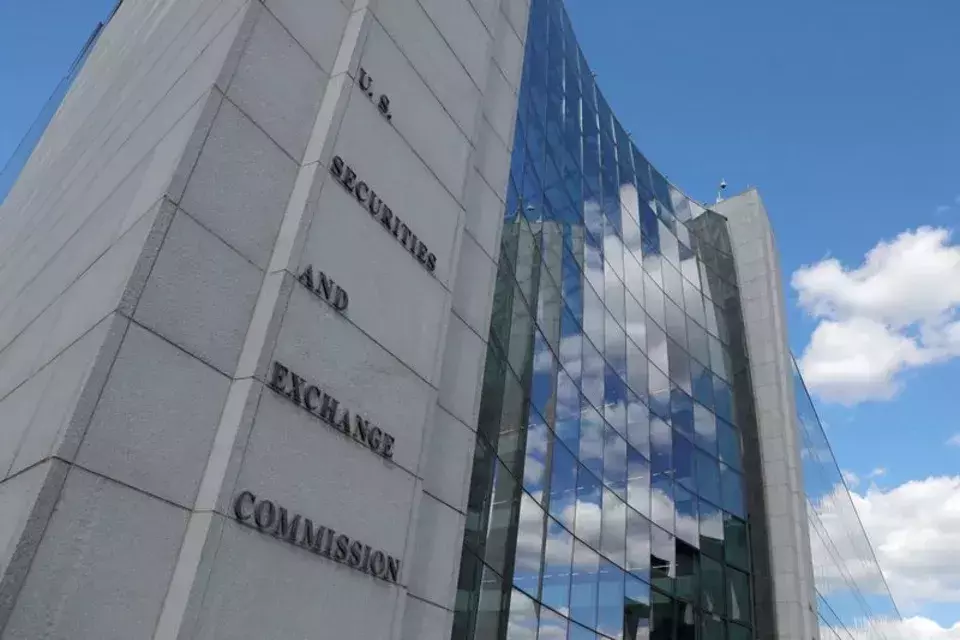
SEC Expands Scrutiny into Private Equity's 'Continuation Vehicles'
The U.S. Securities and Exchange Commission (SEC) is significantly stepping up its oversight of private markets, particularly focusing on the use of "continuation vehicles" (CVs) by private equity firms. This intensified scrutiny, led by the SEC's enforcement division, aims to address potential conflicts of interest, ensure accurate asset valuations, and verify transparent investor disclosures within these complex financial instruments. The move comes as CVs have become increasingly popular for managing private assets, especially in the wake of challenging economic conditions and rising interest rates, which have made traditional exits more difficult for private equity firms.
This heightened regulatory attention reflects a broader concern among financial watchdogs regarding the opacity and potential risks within the rapidly expanding private credit sector. The SEC's proactive approach, including the formation of inter-divisional working groups, signals a concerted effort to gather information and assess the integrity of private market operations. Recent issues at some alternative asset managers have further underscored the urgency of these investigations, as regulators seek to prevent systemic risks and protect investors in an evolving financial landscape.
SEC Intensifies Probe into Private Equity Continuation Vehicles Amid Market Shifts
The U.S. Securities and Exchange Commission's enforcement division has launched a comprehensive investigation into continuation vehicles (CVs), a financial tool increasingly utilized by private equity firms and other asset managers. These vehicles serve as a mechanism for holding assets that are difficult or undesirable to sell, allowing managers to extend investment horizons. The inquiry specifically targets potential conflicts of interest that may arise, the methodologies used for valuing assets within these structures, and the thoroughness and consistency of disclosures provided to investors. This scrutiny marks an escalation in the SEC's efforts to examine the burgeoning and often opaque private markets, spurred by their rapid growth and the recent economic climate.
The surge in popularity of CVs, with fund manager-led secondary transactions reaching $106 billion last year, is largely attributed to a challenging market environment. Rising interest rates and geopolitical uncertainties have complicated traditional private equity exits, making it harder for firms to divest portfolio companies profitably. CVs offer an alternative by enabling managers to transfer assets from older funds into new ones, attracting fresh capital while offering existing investors an option to cash out. This strategy allows firms to avoid fire sales or realizing losses in a downturn, providing a crucial liquidity management tool. The SEC's probe into these mechanisms, which has not been previously reported, highlights a growing regulatory focus on ensuring fair practices and investor protection in this evolving segment of the financial industry.
Regulatory Concerns and Market Dynamics Driving Enhanced Oversight
The Securities and Exchange Commission's heightened interest in private equity's continuation vehicles is driven by several key concerns and market dynamics. One primary area of investigation involves the inherent potential for conflicts of interest within CV transactions. Critics argue that when an investment manager is involved in both sides of a deal concerning an illiquid asset, there can be incentives to manipulate valuations, raising questions about whether both buyers and sellers receive equitable and consistent information. Such concerns have even led to public disputes, as exemplified by the legal complaint filed by the Abu Dhabi Investment Council against Energy & Minerals Group regarding a CV launch, despite the case ultimately being dismissed.
Moreover, the SEC is also coordinating closely across its various divisions—enforcement, examinations, and investment management—to foster a more unified approach to monitoring the opaque private credit market. This collaboration underscores a recognition of the interconnectedness of private markets and the need for a comprehensive regulatory response to potential issues. The expansion of private markets over the last decade, fueled by a period of low-interest rates, has led to a significant backlog of unsold portfolio companies for private equity firms. While CVs provide a solution for returning capital to investors, the increasing scale and complexity of these vehicles necessitate robust oversight to safeguard against systemic risks and ensure market integrity, particularly as watchdogs remain vigilant following recent challenges faced by alternative asset managers like Blue Owl and BlackRock funds.
