Toyota's GR Division: A Deep Dive into Performance Car Manufacturing
Toyota's commitment to high-performance vehicles, particularly its GR (Gazoo Racing) line, marks a significant resurgence for the brand in the sports car market. This dedication is vividly showcased through the specialized manufacturing processes at the Motomachi plant, where GR models are meticulously assembled. Far from standard mass production, these vehicles benefit from an emphasis on rigidity, precision, and the passionate involvement of experienced engineers and racing enthusiasts. This unique approach not only highlights the craftsmanship inherent in each GR car but also underscores Toyota's ambition to lead the global performance car segment, moving beyond its previous hiatus in this domain.
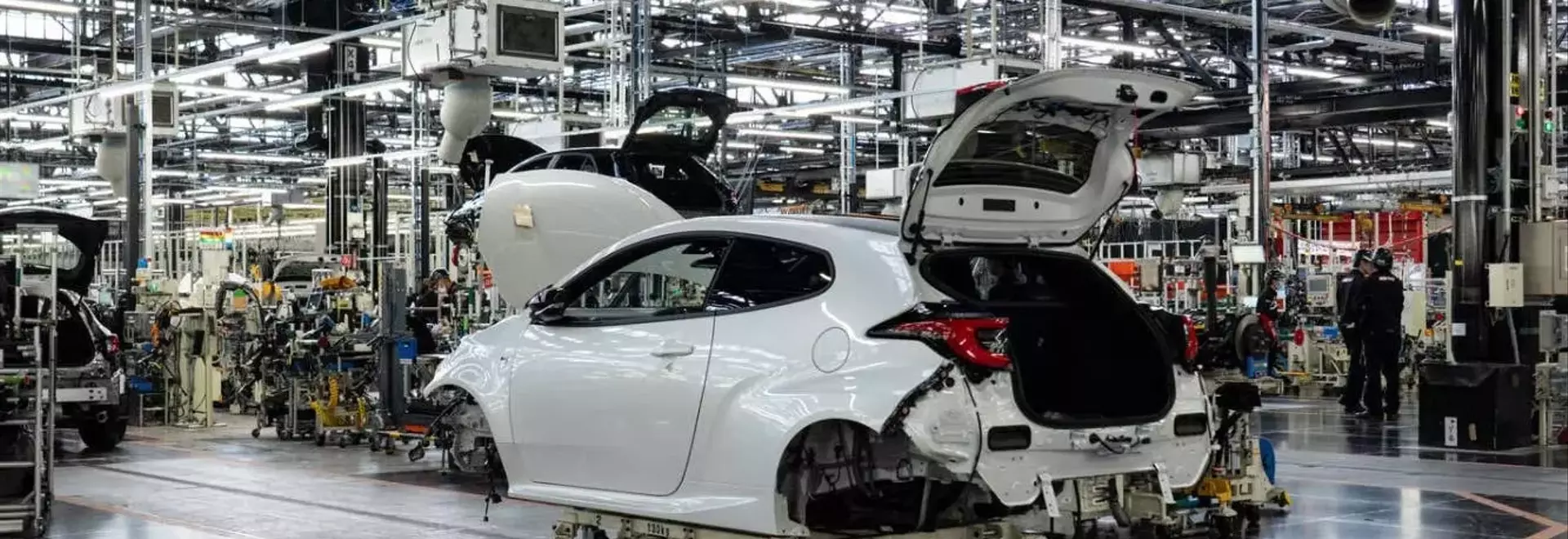
The meticulous hand-building and specialized construction of GR vehicles like the GR Yaris and GR Corolla reveal a profound dedication to automotive excellence. These cars undergo enhanced spot welding and extensive application of structural adhesives, resulting in chassis rigidity far exceeding conventional models. This labor-intensive process, largely performed by skilled human hands rather than automated machinery, ensures a level of quality and performance tuning that is critical for high-performance driving. The involvement of employees who are also racing drivers and enthusiasts further embeds a deep understanding of performance into the very fabric of these cars, translating directly into superior handling and dynamic capabilities for the discerning driver.
The Rebirth of Toyota's Performance Heritage
About two decades ago, Toyota's presence in the performance car segment had significantly diminished, with iconic models like the MR2 Spyder and Celica being phased out. This period left a void for enthusiasts seeking thrilling driving experiences from the Japanese automaker. However, a strategic pivot, beginning with the introduction of the GT 86 (initially known as the Scion FR-S in North America), marked the start of an impressive revival. This initiative gained substantial momentum with the return of the Supra in 2017, followed by the acclaimed GR Yaris in 2020, and the GR Corolla in 2022. These models, culminating in the unveiling of the standalone GR GT, have collectively re-established Toyota as a formidable contender and a proud proponent of Japanese performance car engineering on a global scale.
Toyota's journey from a limited performance lineup to a global leader in sports cars is a testament to its renewed focus and investment in the Gazoo Racing division. The strategic reintroduction and development of models such as the GR Yaris, Supra, and GR Corolla have not only captivated the automotive world but also showcased Toyota's engineering prowess and commitment to enthusiast-driven vehicles. Each model in the GR series embodies a philosophy of precision, power, and driver engagement, carefully crafted to deliver exceptional performance. This resurgence signifies more than just new product offerings; it represents a cultural shift within Toyota, embracing its racing heritage and translating it into road-going machines that ignite passion and excitement among drivers worldwide, positioning Japan once again at the forefront of automotive innovation.
Craftsmanship and Dedication in GR Vehicle Production
The manufacturing of Toyota's GR models deviates significantly from the typical automotive assembly line, emphasizing a specialist, hand-built approach that enhances both structural integrity and overall quality. Within the Motomachi plant, a dedicated facility has been established exclusively for the production of vehicles like the GR Yaris, GR Corolla, and Lexus LBX Morizo RR. This separation from standard production lines underscores Toyota’s unwavering commitment to performance. Each vehicle benefits from additional spot welding and a generous application of structural adhesives, meticulously performed to achieve an unparalleled level of rigidity and durability. This process, requiring significant human input and attention to detail, ensures that every GR model meets stringent performance standards.
The unique production process for GR vehicles highlights Toyota's dedication to creating exceptional performance cars. Unlike their mass-produced counterparts, these specialized models are largely assembled by hand, allowing for a level of precision and quality control that automated processes cannot fully replicate. The extensive use of enhanced spot welding and structural adhesives contributes to an exceptionally rigid chassis, a critical factor for the superior handling and dynamic performance expected from a GR model. Furthermore, the assembly is overseen and executed by highly skilled workers, many of whom are themselves racing enthusiasts or professional drivers. This deep-seated passion and expertise ensure that every GR car is not merely a product of advanced engineering but also a labor of love, embodying the spirit of motorsport in its very construction.
