Mazda Shifts Focus from EVs to Hybrids
Cars

Mazda Shifts Focus from EVs to Hybrids

authorBy Chris Harris
DateMay 13, 2026
Read Time2 min

Mazda is strategically re-evaluating its electrification plans, opting to prioritize hybrid vehicle development over an immediate, extensive rollout of battery-electric vehicles. This calculated shift comes as other major automotive manufacturers confront challenges and financial setbacks stemming from ambitious EV strategies. Mazda's prudent approach, characterized by a reduced investment in EVs and a revised timeline, positions the company to leverage the current market's appetite for hybrid solutions while carefully preparing for the future of electric mobility.

Mazda's Evolving Automotive Strategy

Mazda has decided to postpone the introduction of its initial dedicated electric vehicle until at least 2029, a further delay from its previously revised 2028 target. This announcement was made during an earnings conference call on May 12 by Mazda CEO Masahiro Moro, who emphasized the company's cautious stance on EV investment from the outset. Moro noted that this deliberate approach has allowed Mazda to avoid substantial write-offs associated with prematurely investing in EV manufacturing facilities or equipment, a predicament many rivals now face.

As part of this revised strategy, Mazda is significantly decreasing its financial commitment to EV development, almost halving it from approximately $12.5 billion to $7.5 billion by the end of the decade. Concurrently, the automaker has adjusted its long-term EV sales projections, now forecasting that electric vehicles will constitute between 15% and 20% of its total sales by 2030, with an annual production volume of 200,000 to 250,000 units. This marks a notable reduction from its earlier, more aggressive targets of 25% to 40%.

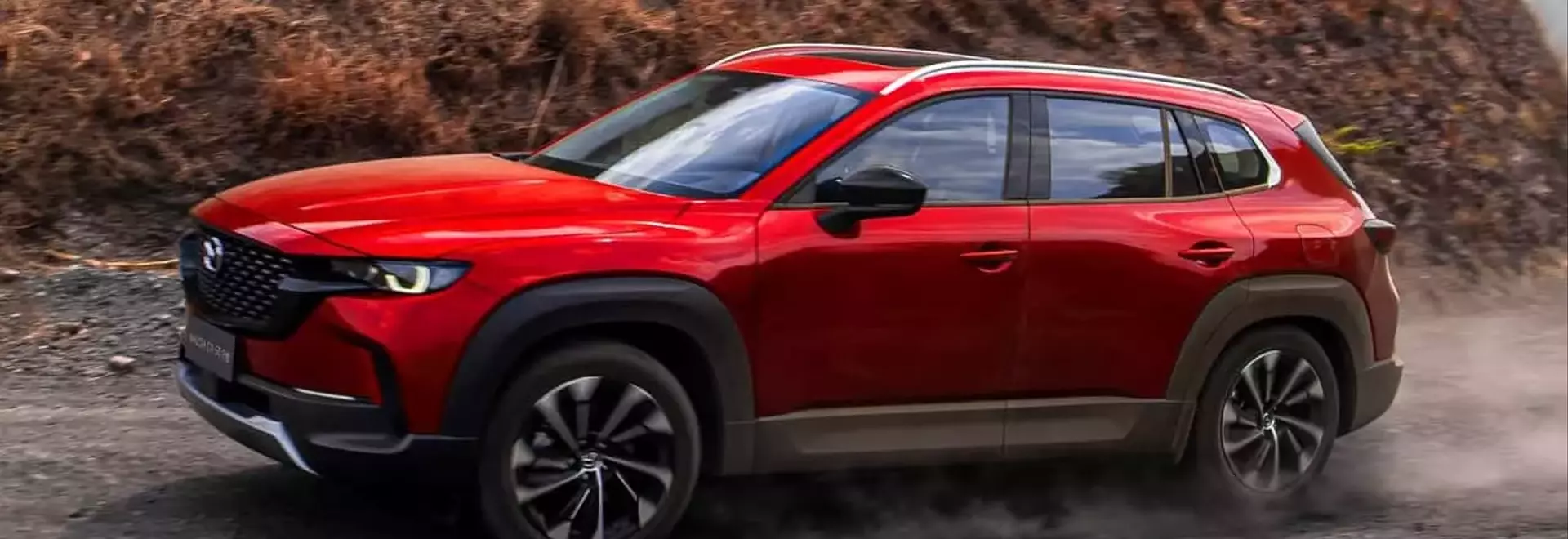
In lieu of an accelerated EV push, Mazda is intensifying its focus on hybrid technologies. The company recognizes a robust demand and greater profitability in the hybrid market. Currently, Mazda offers the CX-50 Hybrid in the United States, utilizing Toyota's established hybrid system. Looking ahead, Mazda plans to introduce its own proprietary hybrid version of the CX-5 and has also confirmed the reintroduction of the compact CX-3, which is anticipated to feature a hybrid powertrain.

Mazda's measured transition reflects a keen understanding of market dynamics and a commitment to sustainable growth. By prioritizing proven hybrid technologies, the company aims to solidify its market position and adapt more effectively to the evolving landscape of automotive electrification. This pragmatic strategy could serve as a valuable blueprint for other manufacturers navigating the complexities of the global shift towards more environmentally friendly vehicles.

More Articles
Cars
2026 Hyundai Santa Fe XRT 2.5T AWD: An In-Depth Look
The 2026 Hyundai Santa Fe XRT 2.5T AWD introduces a new eight-speed automatic transmission for its non-hybrid models, replacing the previous dual-clutch unit that caused dissatisfaction among owners. This change improves fuel efficiency, achieving 27 mpg on highway tests, a 3 mpg increase over its predecessor. However, the XRT variant, equipped with all-terrain tires and a raised stance, exhibits slightly reduced acceleration compared to its Calligraphy counterpart.
By Chris HarrisMay 13, 2026
Cars
Lotus Emira to Adopt Hybrid V-6 Powertrain in 2027, Phasing Out Manual Transmission
Lotus has confirmed that its Emira sports car will transition to a new hybrid V-6 powertrain by 2027. This move, which includes an automatic gearbox with an integrated e-motor, marks a significant shift from its current Toyota-sourced V-6 and Mercedes-AMG four-cylinder engines. The new setup promises a substantial power increase, but will likely eliminate the manual transmission option, a change influenced by strong V-6 demand in the U.S. market.
By Akira MarutaMay 13, 2026
Cars
Volkswagen's Electric Golf Model Faces Production Delay Until at Least 2030
Volkswagen's electric Golf, initially projected for a 2028 release, is now postponed until at least 2030. CEO Thomas Schäfer stated that the company's current vehicle lineup is sufficient, indicating a strategic pause. This delay is attributed to ongoing challenges in developing the new Scalable Systems Platform (SSP) architecture, which will first support Audi and Porsche models. The ID. Golf, including its high-performance GTI and R variants, will also be affected by this revised timeline, reflecting broader industry trends of EV launch adjustments.
By Dan NeilMay 13, 2026
Cars
Toyota CEO Sees Opportunity in RAV4-Based Pickup
Toyota's North America CEO, Ted Ogawa, expressed that a RAV4-based pickup truck represents a significant opportunity for the automaker, responding to dealer demand for a compact truck. Despite the success of competitors like the Ford Maverick, Toyota has been deliberate in its approach to this segment, signaling readiness to introduce a compelling contender when the timing is right. This move could reshape the compact truck market by offering a versatile vehicle with impressive towing capabilities and enhanced size.
By Chris HarrisMay 13, 2026
Cars
Choosing the Optimal 2026 Honda CR-V Trim
This article offers guidance on selecting the ideal 2026 Honda CR-V model, emphasizing the benefits of hybrid powertrains for superior performance and fuel efficiency. It also highlights the new TrailSport trim's enhanced capabilities for off-road enthusiasts without compromising practicality. The piece advises against the base model, suggesting that mid-range hybrid trims provide the best value with desirable features for daily use.
By Chris HarrisMay 13, 2026