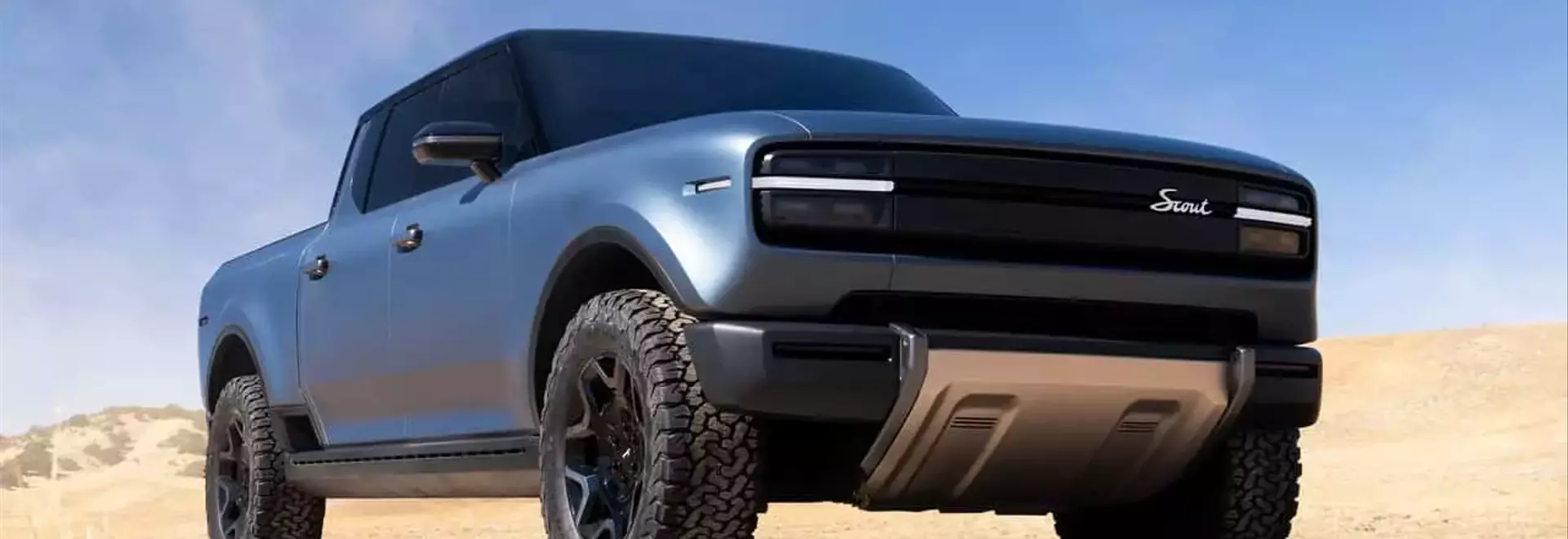
Scout's Terra Pickup and Traveler SUV Face Significant Production Delays
The highly anticipated launch of Scout's electric vehicles, the Terra pickup and Traveler SUV, is reportedly facing significant postponements, extending their arrival well beyond initial expectations. These delays, attributed to complex technical challenges and evolving electric vehicle market dynamics, cast a shadow over the brand's ambitious revival plans. While the company maintains a more optimistic outlook, external analyses suggest a longer wait for consumers.
Scout's Electric Lineup Encounters Production Hurdles
In April, a new report from AutoForecast Solutions brought to light considerable delays for Scout's electric vehicle lineup. The report indicated that the production of the Terra electric pickup truck might not commence until March 2030, marking a six-year deferral from its original concept debut. Similarly, the Traveler electric SUV's production is now projected for 2028, a full year later than initially announced. These revisions follow an earlier report in February by the German newspaper Der Spiegel, which cited "technical problems" as a potential cause for the Traveler's delay.
Scout Motors, in response to these swirling rumors, issued a statement reiterating its official timeline. A company spokesperson clarified that initial production of validation vehicles is slated for this year, with full-scale production targeting 2027. Customer deliveries for the new Scout vehicles are still anticipated to begin in 2028. However, the company explicitly stated that it had not communicated with AutoForecast Solutions regarding production schedules, suggesting a disconnect between internal projections and external analyses.
Adding another layer of complexity to the launch strategy, Scout plans to introduce extended-range electric vehicle (EREV) versions of both the Terra and Traveler before fully electric models. These EREV variants, which combine a small four-cylinder engine with a battery pack, are designed to offer over 500 miles of range, catering to a significant portion of the 100,000-plus reservation holders who have shown a preference for this option. The pure electric versions are expected to provide up to 350 miles on a single charge. The original pricing target of under $60,000 for both models, coupled with a $100 refundable reservation fee, now faces uncertainty given the evolving production timelines and market conditions.
The journey of bringing entirely new vehicles to market is often fraught with unforeseen obstacles, and Scout's experience with the Terra and Traveler appears to be no exception. The reported production delays, stemming from technical complexities and strategic adjustments in the rapidly changing EV landscape, highlight the inherent challenges in automotive innovation. While the official communication from Scout maintains a more positive outlook for a 2027 production start and 2028 deliveries, the discrepancy with third-party reports suggests that consumers and enthusiasts might need to exercise patience. It's a reminder that even with robust backing and a clear vision, the path from concept to driveway can be a long and winding one, especially in the competitive and technologically demanding electric vehicle sector. The ultimate success of Scout will depend not only on overcoming these production hurdles but also on effectively managing customer expectations and adapting to market shifts as their innovative vehicles eventually make their debut.
