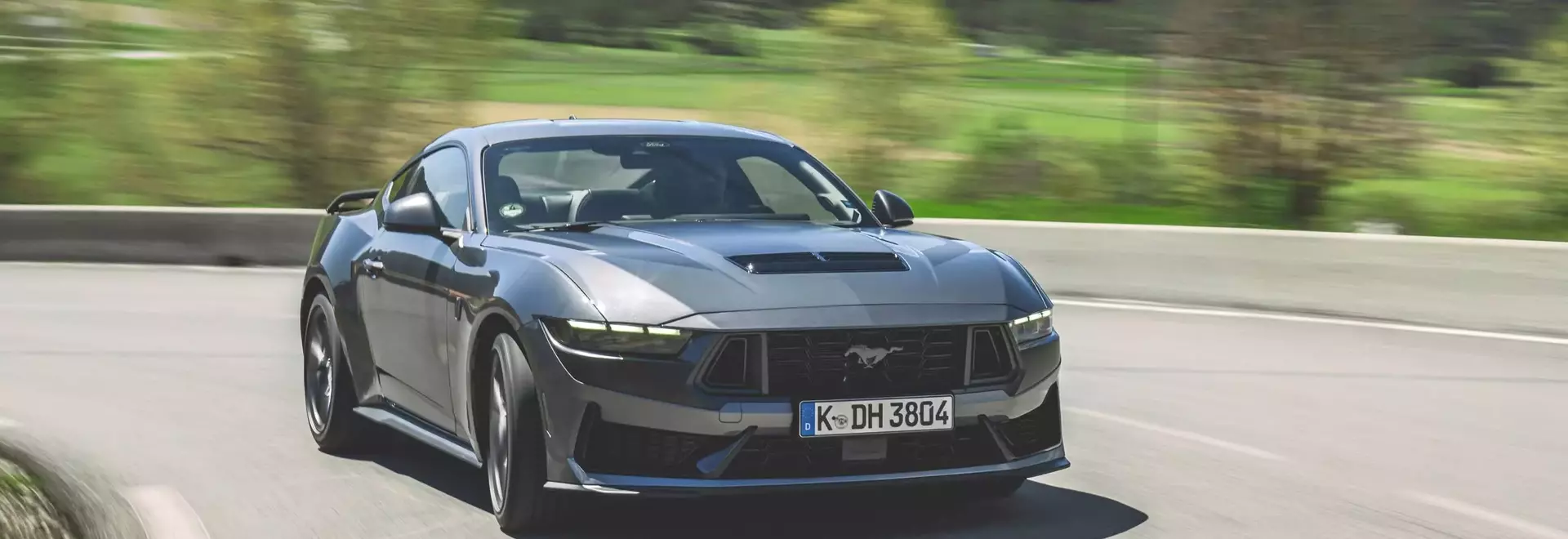
Mustang Dark Horse Power Output: Dyno Discrepancies Explored
When assessing a vehicle's true power, the reported crank horsepower often differs from the actual wheel horsepower delivered to the road. This article delves into the complexities of measuring vehicle performance, particularly focusing on the 2024 Ford Mustang Dark Horse. It highlights the significant variations observed when the same vehicle undergoes testing on different dynamometers, even under seemingly controlled conditions. Understanding these disparities is crucial for both enthusiasts and industry professionals, as it sheds light on the inherent challenges in standardizing performance metrics and emphasizes the importance of contextualizing dyno results.
The discussion further explores the various factors contributing to these inconsistent readings, from the type of dynamometer used to the environmental correction factors applied. Ultimately, the piece advocates for a more nuanced interpretation of dyno figures, suggesting that their primary value lies in establishing a baseline for comparative analysis of modifications rather than serving as definitive, universally comparable power ratings.
Dynamometer Readings: A Spectrum of Results
Ford officially states the Mustang Dark Horse produces 500 horsepower at the crank. However, translating this to real-world performance, measured as wheel horsepower, presents a challenge due to frictional losses within the drivetrain. While initial estimates suggested around 440 wheel horsepower, a series of tests conducted on four different chassis dynamometers revealed a wide range of outcomes. Despite efforts to maintain consistency in fuel, environmental conditions, and correction factors, the results varied significantly, indicating that dyno readings are far from universally uniform and can lead to vastly different conclusions about a vehicle's actual output.
The tests showcased a considerable spread, with one dyno recording 430.9 hp, another 425.7 hp, and a third yielding the lowest figures. Conversely, a newer AWD Mustang dyno at World Motorsports registered a peak of 465 hp, nearly 44 hp higher than the lowest reading, with the shop acknowledging its machine's tendency towards higher measurements. This wide divergence in results, from the same car under similar conditions, underscores the lack of a standardized measurement approach and illustrates how external variables and equipment calibration profoundly influence the perceived power output of a vehicle.
The Value of Baseline Testing
The disparity in dyno results extends beyond the type of equipment, with weather correction factors introducing further variability that can skew power figures. A demonstration revealed that applying different correction settings to the identical dyno pull could result in a nearly 100 horsepower difference, highlighting the subjective nature of these calculations. This phenomenon explains why seasoned automotive tuners often prioritize consistent baseline measurements on a single dynamometer rather than relying on isolated, absolute horsepower figures. They recognize that significant fluctuations can arise from mathematical adjustments alone, making direct comparisons between tests from different facilities unreliable.
For experienced tuners, the true utility of a dynamometer lies in its ability to establish a consistent baseline. By performing an initial pull on a specific machine and then retesting on the same machine after modifications, any observed increase in horsepower (e.g., 30 hp) offers a genuine and quantifiable measure of performance improvement. This comparative approach provides valuable insights into the effectiveness of enhancements, unlike a random "dyno verified" sheet from a different location, which offers little meaningful context. The experience with the Dark Horse, yielding four distinct power identities from four different shops, perfectly illustrates why interpreting dyno numbers requires a critical understanding of the testing environment and methodology, emphasizing that the most reliable data comes from consistent, controlled comparisons on the same equipment.
