Nuclear Microreactors and AI's Energy Demands
The escalating energy demands of artificial intelligence (AI) data centers are pushing the boundaries of traditional power generation, necessitating innovative and localized solutions. A prominent example of this forward-thinking approach comes from Valar Atomics, a nuclear energy startup that recently showcased its Ward 250 microreactor. This demonstration, which involved powering an Nvidia DGX Spark, aimed to highlight the potential of advanced nuclear technology in addressing the substantial energy appetite of modern AI infrastructure. The event underscored a significant convergence between cutting-edge nuclear science and the burgeoning AI industry, signaling a new era of energy solutions for high-tech applications. However, even with such powerful technology, the marketing efforts, like an interactive website demo, inadvertently revealed the pervasive and often overlooked energy consumption even seemingly minor digital activities can incur.
While localized nuclear microreactors present a compelling solution for the immense power requirements of AI, the practical implementation and public perception of such technologies face considerable scrutiny. The high-temperature gas-cooled reactor (HTGR) design utilized by Valar Atomics, though offering enhanced safety and thermal efficiency, has historically been limited by cost and scalability issues for large-scale electricity generation. Yet, for smaller, dedicated applications like data centers, these microreactors could prove ideal. The challenge now lies not only in the technological advancement and economic viability of these systems but also in ensuring that their promotion and utilization do not themselves contribute excessively to the very energy crisis they seek to solve, as exemplified by the unexpected power draw of a seemingly innocuous online demonstration.
Valar Atomics' Nuclear Microreactor Powers Nvidia AI System
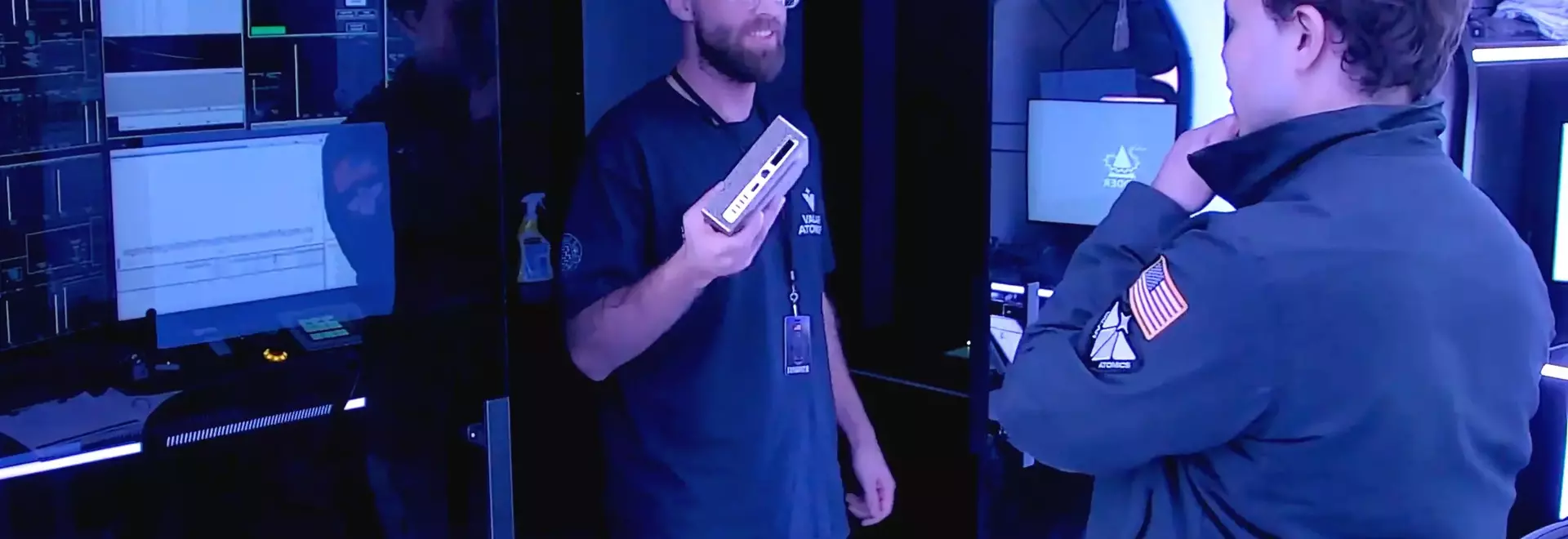
In a significant stride towards sustainable energy for artificial intelligence, Valar Atomics, a nuclear startup, demonstrated its Ward 250 microreactor by successfully powering an Nvidia DGX Spark. This event, widely reported, marks a pivotal moment where advanced nuclear technology directly addresses the substantial and rapidly growing energy demands of AI data centers. The Ward 250, a high-temperature gas-cooled reactor (HTGR), distinguishes itself by using helium as a coolant instead of water, and converting this heat into electricity via a compact thermoelectric generator. This approach signals a departure from conventional nuclear power generation, focusing on modular and localized energy solutions specifically tailored for high-tech industrial needs.
The public demonstration by Valar Atomics, in collaboration with Nvidia, illustrated the feasibility of deploying compact nuclear systems to support AI computation. While the Nvidia DGX Spark itself does not require a massive power source, the symbolic gesture was clear: microreactors could be the answer to the AI industry's exponential increase in energy consumption. HTGRs, despite historical challenges related to cost and scalability for large electrical grids, offer advantages in safety and thermal efficiency, making them particularly suitable for powering isolated or specialized facilities like data centers. This partnership aims to develop a 30MW closed-loop AI factory, signaling a serious commitment to integrating microreactor technology with AI infrastructure. However, the startup has also faced criticism regarding its operational transparency, highlighting the complexities inherent in pioneering such advanced energy solutions.
The Energy Footprint of AI and Microreactor Solutions
The burgeoning field of artificial intelligence comes with a significant and often underestimated energy footprint, with AI data centers consuming ever-increasing amounts of power. Traditional energy grids struggle to keep pace with this demand, making alternative, localized power sources like nuclear microreactors increasingly attractive. Valar Atomics' Ward 250 microreactor exemplifies this trend, offering a compact, efficient, and potentially safer way to provide consistent energy to power-hungry AI operations. This shift towards microreactors represents a strategic move to decentralize power generation and embed it directly within the infrastructure that needs it most, thereby reducing transmission losses and enhancing energy resilience for critical AI functions.
The design of the Ward 250, an HTGR, capitalizes on the benefits of helium cooling and direct conversion to electricity through a thermoelectric generator, avoiding the need for large steam turbines. This makes it inherently more compact and safer for smaller installations, though its high-temperature operation necessitates specialized construction materials, impacting its cost-effectiveness for larger energy projects. Despite these challenges, the ability of microreactors to operate independently and efficiently positions them as a viable solution for AI's energy crisis. Paradoxically, even Valar Atomics' interactive website demo, intended to showcase the reactor's capabilities, consumed a noticeable amount of processing power from visitors' computers, illustrating that every aspect of the digital realm, from advanced AI to simple web content, carries an energy cost. This highlights the delicate balance between promoting innovative energy solutions and managing the energy consumption of promotional activities themselves.
