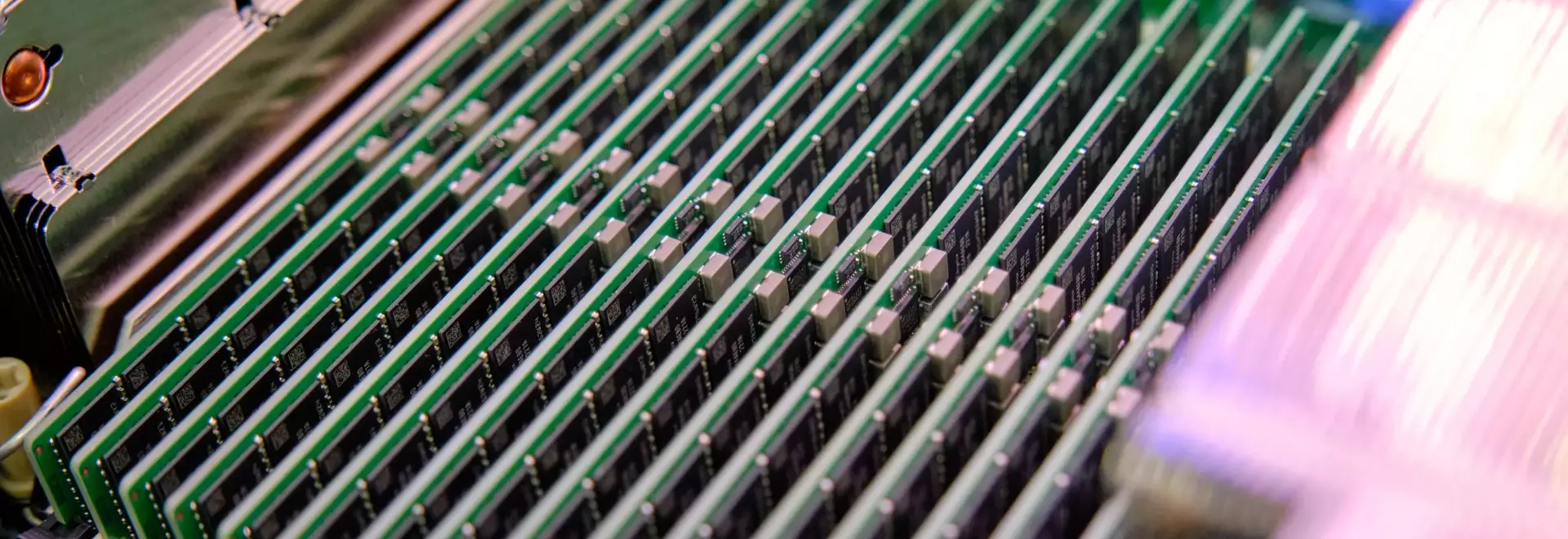
Meta's Innovative Approach to Memory Shortage: Marrying DDR4 with DDR5 Using a Custom Chip
In an era marked by persistent global memory shortages, Meta has unveiled an inventive strategy to optimize its server infrastructure. This forward-thinking approach involves integrating readily available DDR4 memory modules into its advanced DDR5 server systems, a feat made possible by a proprietary custom chip. This ingenious solution not only tackles supply chain constraints but also establishes a new paradigm for memory management in high-performance computing.
Details of Meta's Memory Innovation
The core of Meta's innovative solution lies in its custom-designed Vistara chip, which acts as a sophisticated translator, enabling seamless communication between newer AMD Zen 5-powered Epyc processors, which typically use DDR5, and older DDR4 memory. This technology effectively bypasses the conventional incompatibility between memory generations, allowing Meta to repurpose existing DDR4 modules from older servers.
The Vistara chip facilitates the creation of a tiered memory system. DDR4 memory, while slower, is designated for 'cold storage'—data that needs to be kept close for potential quick access but isn't immediately critical for active operations. Meanwhile, 'hot storage' data, requiring maximum speed and minimal latency, resides in the server's native DDR5 memory. Each MemServer node in Meta's setup is equipped with a 158-core AMD Epyc 9000-series processor, 768 GB of DDR5-6400 RAM, and an additional 256 GB of DDR4-2400 managed by two Vistara expansion cards in PCIe 5.0 x8 slots. This configuration brings the total system memory to a remarkable 1 TB per server.
While this technology is currently deployed in Meta's enterprise-level servers, its potential implications for the broader computing industry are significant. However, applying this solution to consumer PCs faces challenges, as CXL is not yet supported by desktop CPUs, and the specialized Vistara card would require Windows-compatible drivers to function in a gaming environment.
Implications and Future Outlook
Meta's pioneering work with Vistara and its MemServers presents a compelling case study in resourcefulness and engineering ingenuity. By finding a way to bridge the gap between different memory generations, Meta not only mitigates the impact of memory shortages but also demonstrates a novel approach to optimizing computing resources. This development could inspire future innovations in memory architecture, potentially influencing how both enterprise and consumer systems manage and utilize memory. Should memory prices continue to fluctuate or remain elevated, such hybrid solutions could become increasingly vital, offering a pathway to balance performance needs with cost efficiency. It underscores the continuous drive within the tech industry to push boundaries and find creative solutions to complex hardware challenges, hinting at a future where flexibility and adaptability in hardware components are paramount.
