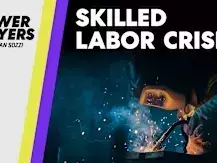
Mike Rowe Advocates for Skilled Trades in AI Era: High Earnings for Gen Z Electricians
Mike Rowe, renowned for his work on "Dirty Jobs," champions the value and opportunities within skilled trades, particularly as technological advancements like AI reshape the job market. His foundation actively supports vocational education, aiming to bridge the national skills gap and elevate the perception of these essential professions, which contribute significantly to the economy but often face societal prejudice.
Skilled Trades Offer Promising Careers for Younger Generations
In a recent discussion on the "Power Players with Brian Sozzi" podcast, Mike Rowe, the influential host and creator of "Dirty Jobs," passionately articulated the growing demand and financial rewards available in skilled trades, particularly for the younger generation. On a bright Tuesday, July 14, 2026, Rowe shared compelling insights from Plano, Texas, where he encountered electricians under 30 years old working in AI data centers. These young professionals were reportedly earning between $240,000 and $280,000 annually, with abundant opportunities for overtime and notably, no educational debt. Despite their impressive earnings and career stability, Rowe pointed out the persistent societal stereotypes that often deter young individuals and their parents from considering such paths.
Rowe has long been a vocal advocate for America's essential workforce, having spent years spotlighting the demanding yet crucial roles that underpin society. His commitment extends beyond television through the MikeroweWORKS Foundation, which actively combats the national skills shortage. The foundation has invested over $11 million in vocational scholarships, benefiting more than 1,800 individuals across the country. More recently, the foundation secured a significant $10 million partnership with the U.S. Department of Defense to launch the Build Freedom Initiative, a strategic effort to revitalize the nation's defense manufacturing sector.
Reflecting on the foundation's origins, Rowe recounted observing a paradox during the 2008 recession: while national headlines focused on unemployment, his work on "Dirty Jobs" revealed a widespread demand for skilled labor. This disparity fueled his mission to promote manual labor jobs as viable and respected career options. Today, the essential economy—encompassing sectors like construction, utilities, agriculture, transportation, and manufacturing—constitutes a substantial portion of the GDP and workforce. However, these industries continue to grapple with labor shortages as experienced workers retire and new entrants, particularly from Gen Z, show reluctance towards physically demanding roles. Furthermore, the rapid integration of AI demands continuous skill upgrades, posing challenges for the existing workforce. A recent PRT Staffing survey highlighted that nearly 17.4% of manufacturing firms face worker shortages, projecting a need to fill 3.8 million manufacturing positions within the next decade, partly due to the decline of vocational training in educational institutions.
The insights from Mike Rowe's advocacy offer a crucial perspective on the evolving landscape of work and education. It challenges conventional notions that often prioritize white-collar careers, urging a reevaluation of the value placed on skilled trades. The substantial earnings reported by young electricians in AI data centers serve as a powerful testament to the financial viability and career growth potential within these professions. This situation highlights an opportunity for educators, policymakers, and parents to proactively guide younger generations toward vocational training, addressing critical labor shortages and fostering a more diverse and robust workforce capable of thriving in an increasingly technology-driven world. Embracing skilled trades not only provides secure and lucrative careers but also strengthens the foundational infrastructure of our economy.
