AI Spending's Surprising Impact on U.S. Inflation and Investment Strategies
Navigating the AI-Driven Economic Shifts: Opportunities Amidst Inflation
AI Investment Fuels Economic Expansion
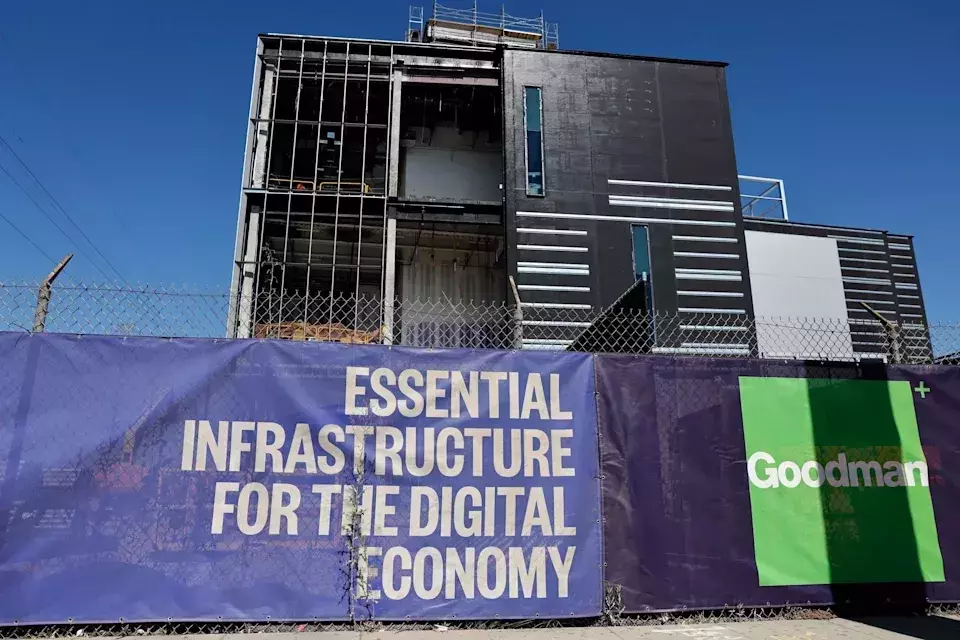
Recent data indicates that substantial investments in artificial intelligence infrastructure are providing a significant boost to the U.S. economy. From January to March, the nation's gross domestic product saw an annual increase of 2%, a notable improvement from the previous quarter's 0.5% growth. This acceleration highlights the profound influence of AI, which contributed a larger share to GDP growth in 2025 compared to the peak of the dot-com era in 2000, as noted by Hannah Rubinton, an economist at the St. Louis Federal Reserve.
The Unforeseen Inflationary Consequence of AI Spending
While AI investments bolster economic growth, analysts at Wells Fargo identify a less apparent but critical side effect: heightened inflation. This inflationary trend is not solely attributable to geopolitical events but is significantly exacerbated by the intense capital expenditure cycle driven by AI. Businesses face rising wholesale prices, with the Producer Price Index (PPI) showing a 6.5% year-over-year increase in May. Even excluding volatile sectors like food and energy, PPI surged by 4.9%, far surpassing the 2.7% rise recorded in June 2025.
Key Drivers of AI-Induced Price Increases
Wells Fargo pinpoints three primary factors contributing to higher prices due to AI spending. Firstly, a global scarcity of semiconductors and essential industrial components creates bottlenecks in the supply chain. Secondly, the proliferation of AI data centers leads to elevated energy costs. Lastly, companies engaging in 'panic ordering' to secure resources for data center construction and manufacturing expansion further drives up demand and prices. These elements collectively suggest that upstream inflation will persist, with elevated investment spending expected to continue through 2027.
Consumer Inflation Remains Relatively Shielded
Despite the significant inflationary impact on wholesale prices, consumer inflation has been more resilient. The limited transmission of rising technology costs to consumers has helped mitigate the effect of AI spending on the Consumer Price Index (CPI). This suggests a lag or buffer in how these upstream cost increases filter down to everyday goods and services, providing some relief for consumers in the short term.
Strategic Investment Approaches Amidst AI-Driven Inflation
For investors, inflation is not always detrimental; certain sectors can thrive in such an environment. Wells Fargo suggests that industries like materials, industrials, and specialty chemicals are well-positioned to pass on increased input costs to their customers, thereby benefiting from higher prices. This indicates that a strategic allocation of capital can help investors turn inflationary pressures into opportunities.
Portfolio Diversification for Future Resilience
To navigate the evolving economic landscape shaped by AI, Wells Fargo recommends maintaining exposure to long-term themes, with AI and technology spending at the forefront. However, investors should actively adjust their portfolios to capitalize on emerging opportunities. The firm favors equities over fixed income and highlights the Information Technology sector, alongside Materials, Utilities, and Industrials, as promising areas. Additionally, including commodities in a portfolio can serve as an effective hedge against inflation and a valuable diversifier for overall investment stability.
