Methanol Engine: A Solution to EV Winter Range Anxiety
Cars

Methanol Engine: A Solution to EV Winter Range Anxiety

authorBy Simona De Silvestro
DateJul 18, 2026
Read Time2 min

Range-extended electric vehicles (REEVs) have emerged as a vital bridge for electric vehicle enthusiasts, offering the immediate torque and quiet operation of EVs without the lingering concern of battery depletion. These hybrid systems provide a comfortable middle ground, addressing anxieties related to charging infrastructure and prolonged journeys. However, a significant portion of these systems still relies on conventional gasoline engines to power and recharge their batteries, raising questions about their long-term environmental impact and real-world efficiency.

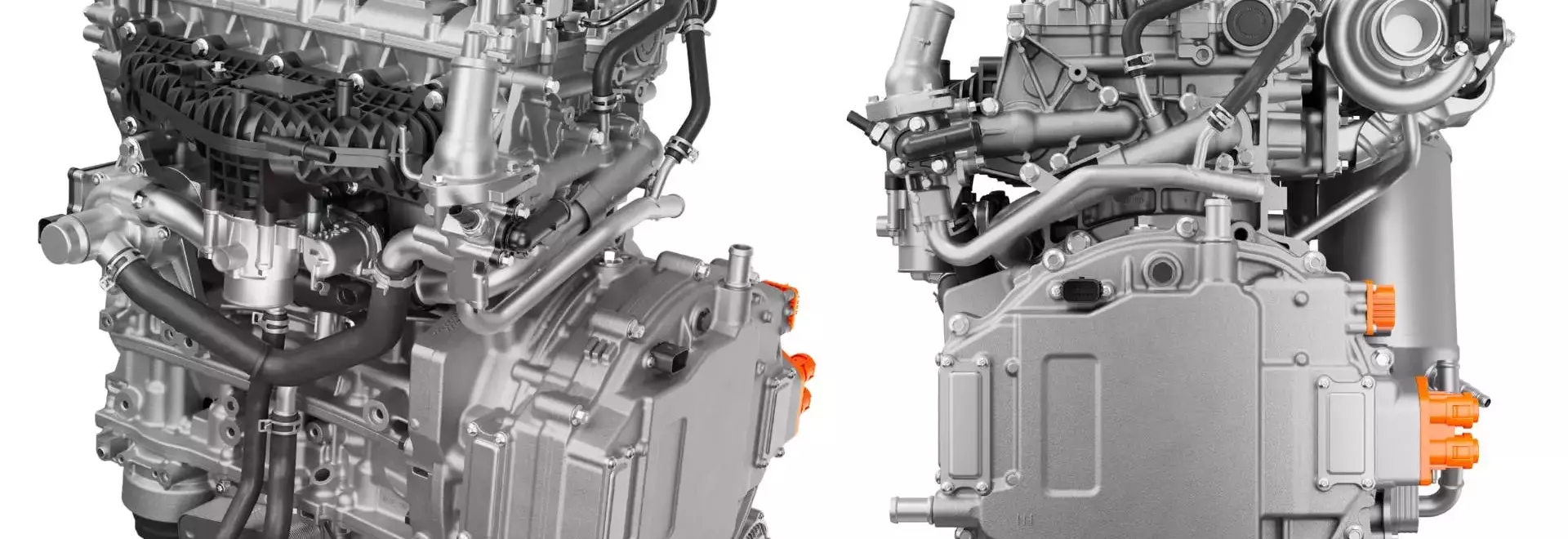
HORSE Powertrain introduces a groundbreaking solution with its D20 Methanol engine, an innovative system designed specifically for REEVs. This powertrain, first showcased in Beijing, integrates a 2.0-liter turbocharged four-cylinder engine with advanced power electronics and a generator. Weighing only 375 pounds and producing up to 141 horsepower, it rivals the company's own lightweight hybrid V6, but with a critical difference: it operates entirely on methanol fuel. This switch to methanol significantly lowers emissions and positions the D20 as a much cleaner alternative. A key feature distinguishing the HORSE D20 is its exceptional performance in cold weather. Overcoming methanol's historical vulnerability to freezing temperatures, the engine utilizes a 240mJ high-energy ignition system to achieve ultra-lean burns and reliable cold starts down to -31°F. This robust capability is complemented by an impressive 47% fuel-to-energy conversion ratio, allowing it to fully recharge a 40kWh EV battery with just 5.2 gallons of fuel. At the heart of this efficiency is a revolutionary "yokeless" axial flux motor, directly mounted on the engine crankshaft. This compact design, which stacks the rotor and stator like discs, is 46% shorter and boasts 63% higher volumetric power density than standard radial flux motors, achieving 96.4% electrical efficiency.

For markets like the United States, characterized by vast distances and diverse climates, REEVs present a logical evolution for consumers considering electric vehicles. The HORSE D20 Methanol engine offers a pragmatic solution to the challenges faced by pure battery-electric vehicles, particularly concerning range anxiety in colder regions. This innovation demonstrates that the internal combustion engine still has a place in the future of sustainable transportation, especially when paired with greener fuels like methanol. If the automotive industry can successfully develop and expand the methanol supply chain, this compact REEV generator could become the crucial component that accelerates the widespread adoption of electric vehicles, offering every driver a comfortable and eco-conscious driving experience.

More Articles
Cars
A Retrospective Look at the 1993 Luxury Sedan Class
In 1993, a comprehensive comparison test was conducted to evaluate the leading luxury sedans from top manufacturers including Audi, BMW, Cadillac, Jaguar, Lexus, and Mercedes-Benz. This article revisits that pivotal moment, examining the contenders and their defining characteristics that set the standard for automotive luxury over three decades ago. From the stately elegance of the Jaguar XJ6 to the advanced engineering of the Audi V8 Quattro, each vehicle offered a unique vision of premium automotive travel, shaping the expectations of discerning drivers.
By Chris HarrisJul 18, 2026
Cars
2028 Land Rover Range Rover Sport Electric Preview
Land Rover is set to introduce its second electric vehicle, the 2028 Range Rover Sport Electric SUV. This new model promises a powerful 542-horsepower output and an impressive driving range exceeding 300 miles. While its powertrain marks a significant shift, the exterior design will largely retain the familiar appearance of its gasoline-powered counterpart, with subtle distinctions like a unique grille and the absence of exhaust pipes. Production details are still emerging, but an estimated starting price of $130,000 is anticipated.
By Jeremy ClarksonJul 17, 2026
Cars
2026 Mazda CX-5 vs. 2026 Volkswagen Tiguan: A Compact SUV Showdown
This article conducts a comprehensive comparison between the 2026 Mazda CX-5 and the 2026 Volkswagen Tiguan, two compact SUVs that, while not as mainstream as their competitors, offer distinct personalities and driving experiences. The evaluation covers their exterior and interior design, powertrain options, performance, and overall driving dynamics, highlighting their strengths and weaknesses in a competitive market.
By Edward LohJul 17, 2026
Cars
2026 Lamborghini Temerario: A Hybrid Supercar Redefining Performance
The 2026 Lamborghini Temerario, the successor to the Huracán, introduces a groundbreaking V-8 hybrid powertrain with 907 horsepower. Boasting a striking design, an advanced interior with multiple screens, and a suite of performance-enhancing features like launch and drift modes, this supercar achieves 0-60 mph in a mere 2.1 seconds. It offers an exhilarating driving experience, improved cabin space, and a unique exhaust system capable of both thunderous roars and quiet urban cruising.
By Brock YatesJul 17, 2026
Cars
Mini Cooper's Oxford Edition Returns for 2027 with Enhanced Features
Mini is reintroducing its highly popular Oxford Edition for the 2027 Cooper model year, offering both two- and four-door variants starting at $25,500. This updated edition includes new exterior paint choices, redesigned 18-inch wheels, and upgraded interior upholstery options. Production has already begun, with models available from July 2026, reinforcing Mini’s commitment to stylish, value-driven small cars.
By Michele AcquaragiaJul 16, 2026