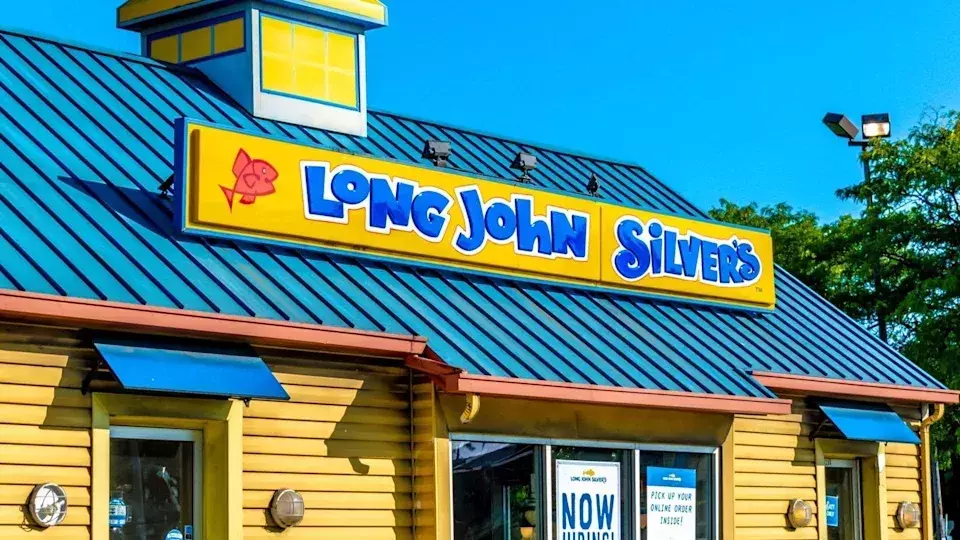
Long John Silver's Decline: Over Half of Restaurants Shutter Amidst Seafood Price Hikes
Navigating the Storm: How Specialized Chains Confront Economic Headwinds
The Peril of Niche Markets: When Menus Lack Flexibility
Restaurants heavily focused on a single type of protein face immense challenges when ingredient costs fluctuate. Unlike establishments that can pivot to alternative meats, specialized chains find their options constrained. For instance, while a general restaurant might promote chicken when beef prices surge, a dedicated BBQ joint struggles if customers exclusively demand brisket. Similarly, a seafood restaurant finds it difficult to introduce beef or chicken as primary offerings without alienating its core clientele. This lack of adaptability has recently led to the closure of several Texas BBQ eateries due to rising beef costs, and has been a significant factor in the struggles of seafood chains like Red Lobster, Bahama Breeze, and Joe's Crab Shack.
Long John Silver's: A Fading Maritime Empire
Long John Silver's, once a dominant force in the fast-food seafood sector, has witnessed a drastic reduction in its footprint. From a peak of 1,081 outlets, the chain's locations have now dwindled to fewer than 500. This contraction includes the closure of 30 restaurants in 2025 alone, as detailed in the company's franchise disclosure documents. The current official count stands at 494 operating establishments, a stark illustration of the brand's ongoing decline. The menu, primarily featuring fried Alaskan pollock, shrimp, and chicken, with some grilled options, remains largely unchanged.
The Turbulence in the Seafood Restaurant Sector
The affordable seafood market presents a persistent challenge for restaurants. Red Lobster's recent bankruptcy filing partly stemmed from an unprofitable all-you-can-eat shrimp promotion, which resulted in an $11 million loss. Shrimp, being a costly protein, makes such unlimited offerings financially unsustainable, especially when patrons consume large quantities. While the strategy aimed to boost sales of high-margin beverages and desserts, it rarely yields the desired outcomes. This issue is particularly pronounced for fast-food chains with limited upselling opportunities.
The High Price of Seafood: A Consumer Barrier
American consumers are increasingly concerned about living costs, and seafood remains the most expensive protein. Anne-Marie Roerink of 210 Analytics highlighted this at the 2026 Global Seafood Market Conference, noting consumers' anxieties about sustained inflation and job security. Data from 2025 reveals that seafood retailed at an average of $10.52 per pound, significantly higher than beef ($7.18/lb), pork ($3.27/lb), and chicken ($3.17/lb). Despite 57% of Americans expressing a desire to consume more seafood, one-third perceive it as the least affordable protein option, underscoring the price sensitivity that impacts sales.
Intense Competition and Economic Downturn: A Double Whammy
Beyond the cost of ingredients, Long John Silver's faces an intensely competitive restaurant landscape. Victor Fernandez, Chief Insights Officer at Black Box Intelligence, describes the market as highly saturated. His research indicates that between 2019 and 2025, 9% of full-service restaurants experienced a sales drop of 30% or more from their peak, with 3% losing over half their peak sales. For limited-service establishments, these figures were 4% and 1%, respectively. The economic slowdown in late 2025 further pushed many struggling businesses past their breaking point, illustrating that even well-established chains are vulnerable to a confluence of market pressures and consumer economic concerns.
