Judd Apatow's Documentary Directorial Style: A Deep Dive into Authenticity and Subjectivity
Judd Apatow, a prominent name in the comedy landscape, has been making waves in the documentary genre, particularly with his recent Netflix projects. These films, spotlighting comedic icons such as Maria Bamford and Norm Macdonald, highlight Apatow's diverse directorial strategies. He navigates between embedding himself within the narrative, offering a subjective lens, and adopting a more detached, archival footage-driven approach. This exploration delves into the rationale behind Apatow's methodological choices, examining how these decisions enhance the genuine and intimate feel of his biographical accounts. Furthermore, it draws comparisons with the techniques employed by other documentarians and aligns with Netflix's broader objectives for its original documentary content.
Netflix's burgeoning collection of comedy documentaries, branded under "Netflix Is a Joke," aims to offer viewers an extensive look into the lives and careers of comedic talents. This initiative extends beyond a mere festival, creating an immersive ecosystem that celebrates stand-up comedy year-round. Apatow's contributions, particularly his works on Maria Bamford and Norm Macdonald, are central to this vision, providing diverse narrative styles that reflect the unique personalities of their subjects. The platform's commitment to authentic storytelling, whether through Apatow's personal involvement or other filmmakers' observational methods, underscores a broader strategy to connect audiences with the core of comedic artistry.
Apatow's Unique Narrative Presence: Crafting Personal Documentaries
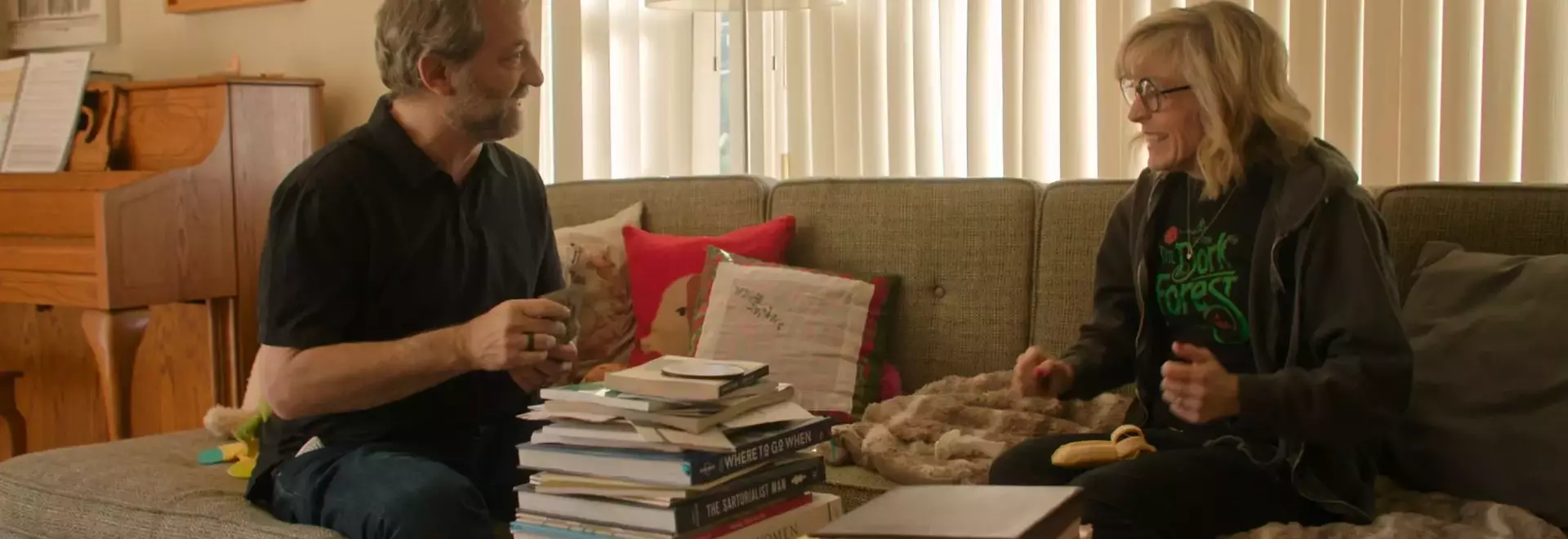
Judd Apatow often incorporates himself into his documentaries as an on-screen presence, a stylistic choice he believes makes the films more intimate and personal. This approach, evident in his work on Maria Bamford's story, aims to provide viewers with a clear context of the conversations taking place, showing the genuine interaction between the filmmaker and the subject. Apatow argues that revealing the interviewer helps establish an honest connection with the audience, making them aware that the dynamics portrayed are a direct result of his presence. This method allows for a deeper exploration of the subject's personality through their responses to a familiar or influential figure like Apatow himself. He feels that understanding who is asking the questions enriches the viewer's experience, providing insights into the subject's reactions and expressions that might otherwise be lost in a more traditional, detached documentary format. This direct involvement creates a more personal narrative, inviting the audience into the unique relationship between the filmmaker and the comedic icon.
In "Paralyzed By Hope: The Maria Bamford Story," Apatow's immediate on-screen presence from the outset sets a distinctive tone, allowing the audience to witness his direct engagement with Bamford. He views this as a crucial element in creating a truly personal narrative, where the interactions are transparent and the audience understands the dynamic at play. By being visible, Apatow demonstrates the organic flow of dialogue and relationship-building that shapes the documentary. He contends that this approach not only makes the film more personal but also more authentic, as it doesn't try to hide the influence of the interviewer on the subject's responses. This method encourages a certain vulnerability from both parties, fostering an environment where genuine emotions and insights can emerge. Ultimately, Apatow's decision to appear in his documentaries serves to deepen the connection between the audience, the subject, and the filmmaker, enhancing the overall authenticity and relatability of the story being told.
Diverse Directorial Approaches: Balancing Subjectivity and Objectivity
Contrasting Apatow's immersive style, other documentary filmmakers, such as Neil Berkeley, prefer to remain behind the camera, believing their absence allows the subject to shine more brightly. Berkeley's approach, seen in his work on Gilbert Gottfried, focuses on deeply embedding himself in the subject's life without becoming a visible part of the narrative. This method aims to capture an unadulterated reality, allowing the audience to form their own interpretations without the filmmaker's presence influencing the perception of the subject. However, Apatow's collaboration with Berkeley on the Maria Bamford documentary showcases a blend of these philosophies, illustrating that both subjective involvement and objective observation can yield compelling and authentic biographical narratives. This diversity in approaches ultimately enriches the documentary landscape, offering varied perspectives on how best to tell a subject's story authentically.
The documentary "Norm: The Tale of Norm Macdonald" exemplifies a different facet of Apatow's directorial range, where he adopts a found-footage approach. This decision was influenced by Macdonald's enigmatic persona and his passing in 2021, necessitating a compilation of existing materials to construct his narrative. Apatow aimed to mirror Macdonald's unpredictable and often unreliable storytelling, allowing the audience to piece together the comedian's complex character from various moments of his life and career. This objective, hands-off method contrasts sharply with his personal involvement in the Bamford documentary, demonstrating his versatility and adaptability to the unique circumstances of each subject. Netflix's Adam Del Deo emphasizes that the key to compelling biographical documentaries lies in building trust and intimacy with subjects, regardless of the specific style employed. Whether through direct interaction or meticulous compilation, the goal remains to dig deep into the subject's life, creating a relatable and authentic portrayal that resonates with audiences.