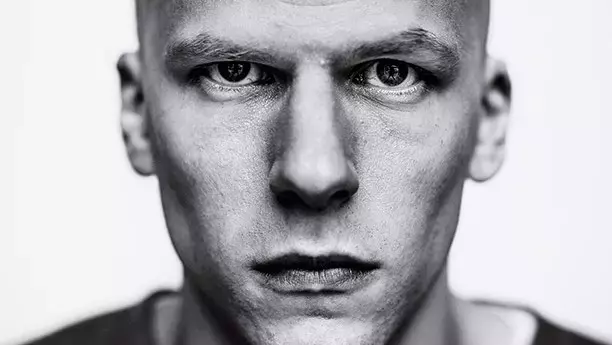
Jesse Eisenberg's Post-Razzie Career Shift: From Studio Films to Directing
Jesse Eisenberg has openly discussed the profound impact receiving a Razzie Award for his portrayal of Lex Luthor in "Batman v Superman: Dawn of Justice" had on his career trajectory. This unexpected accolade, intended as a humorous critique of the year's worst cinematic performances, paradoxically signaled a shift in his professional path. Feeling sidelined by major film studios, Eisenberg made a deliberate pivot towards writing and directing, a move he saw as essential for the longevity of his presence in the entertainment industry. This strategic change allowed him to maintain a creative output and explore new avenues in filmmaking.
The Unforeseen Impact of a "Worst Actor" Award
Jesse Eisenberg's career took an unexpected turn after he was awarded a Golden Raspberry for his supporting role as Lex Luthor in "Batman v Superman: Dawn of Justice." This satirical award, typically presented the day before the Oscars, is designed to highlight the year's least impressive cinematic achievements. Eisenberg candidly admitted that this recognition, despite its lighthearted intent, severely hampered his ability to secure roles in major studio productions. He perceived a clear message from the industry: his future lay outside the realm of big-budget superhero films, leading him to reassess his professional direction.
The actor elaborated on the anxiety inherent in the acting profession, describing it as an inherently unstable career path with no middle ground—one is either ascending or in decline. This realization, coupled with the industry's apparent disinterest in casting him in similar high-profile parts, spurred his decision to delve into writing and directing. For Eisenberg, this was not merely an artistic whim but a pragmatic move to safeguard his career. He recognized the necessity of adapting to the industry's signals and channeled his creative energies into helming his own projects, thereby ensuring his continued relevance in the arts.
Navigating Industry Signals and Embracing New Creative Paths
Eisenberg openly shared his interpretation of the industry's response to his Razzie win: it was a clear indication that his talents were not desired in superhero blockbusters. He emphasized the importance of self-awareness for actors, noting that intelligent individuals quickly grasp such signals. Rather than stubbornly pursuing roles in genres where he was no longer welcomed, Eisenberg embraced this feedback as an opportunity to pivot. He explained that a successful career in the arts demands adaptability and a willingness to align with what the industry values and appreciates from an artist, rather than resisting its direction.
This period of introspection and career adjustment led Eisenberg to explore new creative territories, particularly in writing and directing. This shift was also influenced by his experiences on other projects, such as the filming of "A Real Pain." Working with Kieran Culkin on this film presented unexpected challenges and learning curves, particularly regarding Culkin's preference for spontaneous shooting styles. Eisenberg's ability to adapt to such on-set dynamics, mirroring his broader career transition, highlights his commitment to creative problem-solving and his evolution as a multifaceted artist in the ever-changing landscape of the film industry.