Unveiling the Truth: A Deep Dive into the Bigfoot Phenomenon
Marq Evans's compelling documentary "Capturing Bigfoot" meticulously examines the origins and persistence of the legendary Bigfoot footage. The film, released at a time when skepticism and belief intersect, not only uncovers the intricate details behind the iconic 1967 Patterson-Gimlin film but also delves into the complex family dynamics and societal fascination that propelled the myth into widespread recognition. It reveals the sophisticated hoax behind the supposed evidence, illustrating how a compelling narrative can shape collective reality and influence public perception for decades. This exploration extends beyond the mere debunking of a myth, offering insights into how belief systems form and endure in society, even when faced with contradictory evidence.
The Genesis of a Legend: The Patterson-Gimlin Film
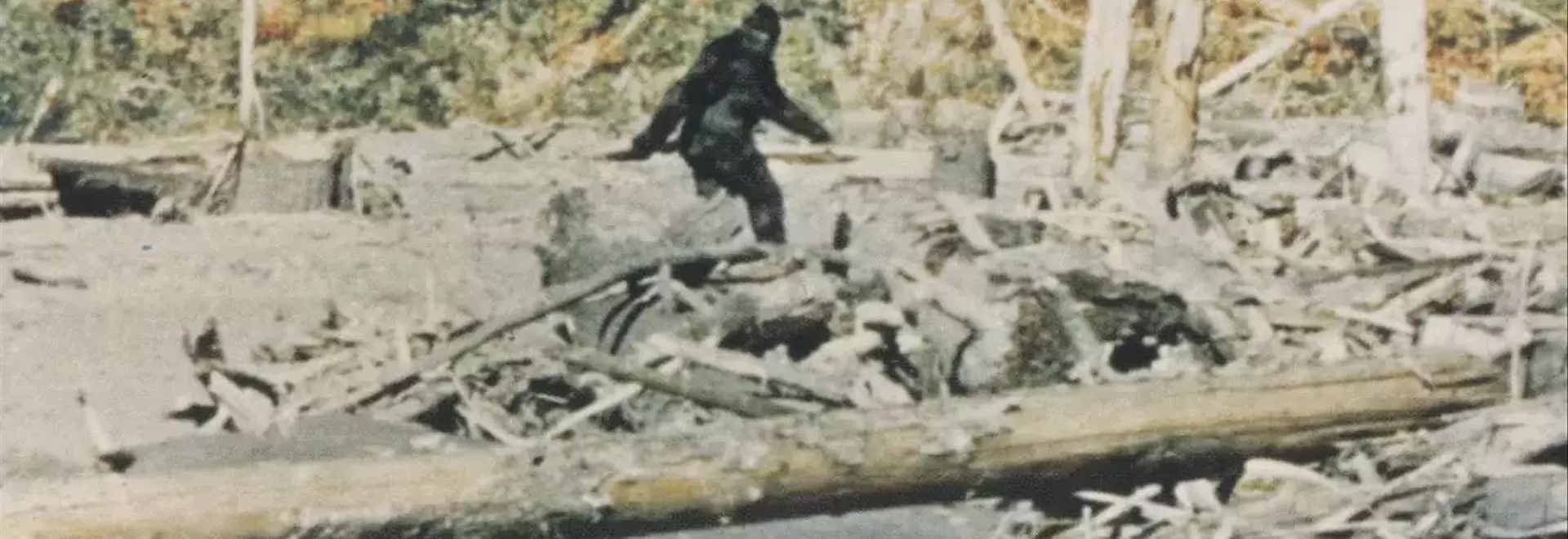
The documentary "Capturing Bigfoot" plunges directly into the heart of the Bigfoot enigma, beginning with the renowned 1967 Patterson-Gimlin film. This brief, 59-second piece of 16mm footage, capturing an ape-like creature in a wooded setting, quickly became a cornerstone of Bigfoot lore. The film examines how Roger Patterson, the man behind the camera, managed to create such a convincing and widely debated piece of evidence. The narrative dissects the visual elements of the footage, highlighting the arguments for both its authenticity and its fraudulent nature, including discussions with experts who initially believed in its veracity due to the apparent anatomical details of the creature. This segment provides a thorough understanding of the film's initial impact and its enduring influence on popular culture.
Marq Evans, the director, investigates the story of Roger Patterson, an individual captivated by the idea of large, human-like primates since the late 1950s. The film paints a picture of Patterson as a charismatic figure, a former rodeo rider with a knack for storytelling, who combined his passion with a keen understanding of public interest in the unexplained. His efforts to publicize the Bigfoot phenomenon, including taking his young son on expeditions and writing a book, demonstrate a calculated approach to building a legend. The documentary carefully reconstructs the events leading up to the 1967 filming, revealing how Patterson's past actions and aspirations laid the groundwork for what would become one of the most famous hoaxes in modern history. The examination of Patterson's persona and methods sheds light on the deliberate construction of the Bigfoot myth, which resonated deeply with a society eager for fantastical narratives.
Unmasking the Hoax: Family Saga and Societal Impact
As the documentary progresses, it systematically dismantles the illusion surrounding the Bigfoot footage, transitioning from an investigation of the myth's origins to the unveiling of the deception. Through interviews, particularly with Patterson's son, Clint, and other associates, the film meticulously pieces together the truth. The narrative exposes how Patterson's creative vision, combined with the efforts of individuals like Bob Hieronymus, who possessed a distinctive gait, contributed to staging the iconic encounter. This section meticulously details the elements of the hoax, including previously unseen footage that served as a rehearsal for the main event, and the discovery of fur coats in Patterson's shed, hinting at the costume's creation. The film effectively reveals the financial motivations and complex interpersonal dynamics that fueled the elaborate charade, turning a supposed scientific discovery into a family enterprise fraught with internal conflicts and personal gain.
Beyond simply exposing the fraudulent nature of the film, "Capturing Bigfoot" delves into the broader implications of the hoax, exploring how it capitalized on and, in turn, shaped public belief. Patterson's success in promoting the footage on various talk shows and in scientific magazines transformed Bigfoot into a cultural phenomenon, achieving a viral status long before the age of the internet. The documentary argues that this meticulously crafted "evidence" fostered a form of magical thinking, blurring the lines between reality and fantasy for a captivated audience. It draws a compelling parallel between the enduring belief in Bigfoot and contemporary fascinations with unsubstantiated theories, suggesting that the human desire to believe in the extraordinary can often override critical judgment. This powerful conclusion reflects on society's ongoing susceptibility to captivating narratives, demonstrating how fabricated realities can profoundly influence collective consciousness and persist for generations.