Japan Welcomes Hybrid Nissan Kicks, U.S. Awaits
Cars

Japan Welcomes Hybrid Nissan Kicks, U.S. Awaits

authorBy Larry Chen
DateJun 17, 2026
Read Time2 min
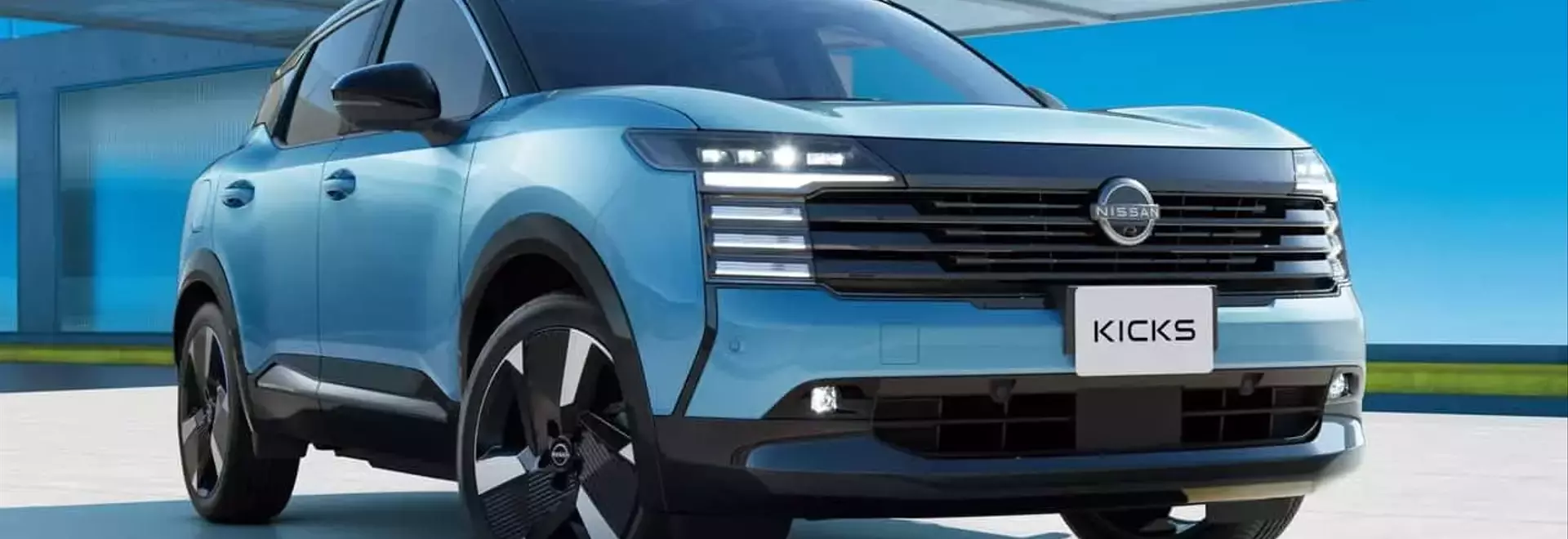
The Nissan Kicks, a popular compact SUV, is making headlines with its latest iteration. While Japanese consumers are set to enjoy a new hybrid powertrain, the U.S. market continues to wait for an electrified version. This development highlights Nissan's regional strategies for its global best-seller.

The Hybrid Horizon: A Glimpse into Nissan's Future

Next-Generation Kicks Arrives in Japan with Hybrid Technology

The updated Nissan Kicks is now available in Japan, introducing a significant upgrade: a hybrid powertrain. This marks a departure from the gasoline-only model sold in the United States, showcasing Nissan's commitment to hybrid technology in its domestic market.

Exploring the Innovative e-Power Hybrid System

The Japanese-market Kicks features Nissan's sophisticated third-generation e-Power hybrid system. This innovative setup incorporates a 1.4-liter four-cylinder engine that acts as a generator, supplying power to a battery. The battery, in turn, fuels an electric motor responsible for driving the vehicle, offering an efficient and dynamic driving experience.

Key Enhancements and Pricing for the Japanese Market

Beyond its hybrid heart, the new Kicks in Japan boasts Nissan's e-4ORCE electric all-wheel control and a refined suspension system. With a starting price of ¥2,999,700 (approximately $18,723 USD), it offers a more affordable entry point than the current U.S. model, which begins at $24,275, including destination charges.

Divergent Powertrain Offerings: Japan vs. U.S.

In stark contrast to Japan's hybrid option, the Nissan Kicks available in the U.S. is exclusively offered with a conventional 2.0-liter four-cylinder engine, producing 141 horsepower. Curiously, the front-wheel-drive hybrid Kicks in Japan delivers an identical power output, underscoring the efficiency gains of the e-Power system.

Trim Levels and Interior Features for Japanese Consumers

Japanese buyers can choose from four distinct trim levels: X, X+, X Simple Package, and the range-topping G. The Kicks G distinguishes itself with gloss-black bumper accents, while other trims feature unique dimpled cladding. Inside, all models are equipped with dual 12.3-inch displays, providing a modern and connected cabin experience.

Fuel Efficiency and Market Speculations

With gasoline prices remaining elevated, the introduction of a more fuel-efficient hybrid Kicks in Japan has drawn attention from American consumers. Industry observers are keenly watching whether Nissan will eventually bring its e-Power hybrid technology to the U.S. Kicks, following the planned introduction of a hybrid Rogue next year. This could signal a broader shift in Nissan's U.S. product strategy towards more eco-conscious options.

More Articles
Cars
High Gas Prices Impacting GM Truck and SUV Demand
General Motors North America President Duncan Aldred stated that rising gasoline costs are deterring consumers from purchasing large pickup trucks and SUVs. This trend marks a shift in consumer behavior, as previous fuel price increases did not immediately lead to a decline in demand for less fuel-efficient vehicles. The current situation suggests that consumers are more sensitive to affordability, driven by inflation and increasing gas prices, even as GM introduces new V8-powered Silverado models.
By Larry ChenJun 17, 2026
Cars
Soaring Fuel Costs Might Pave the Way for Volkswagen Golf's US Return
With increasing fuel prices, Volkswagen anticipates a shift in consumer preference from large SUVs to more economical small cars. Serban Boldea, Volkswagen of America's Director of Product Planning, suggests that the overall cost of ownership, including fuel, insurance, and maintenance, will steer the market back towards sedans and hatchbacks. This trend could facilitate the reintroduction of the base Golf model to the American market, especially with plans to localize its production in Mexico.
By Edward LohJun 17, 2026
Cars
Ford's Proactive Approach to Mitigate Recall Issues
Ford is tackling its persistent recall challenges head-on by implementing a daily engine teardown program across its manufacturing facilities. This preventative measure aims to identify and address potential issues before they escalate, significantly reducing warranty claims. The initiative is already yielding positive results, signaling a shift from reactive to proactive quality control. This strategic move is crucial for Ford, which has consistently led the industry in recall numbers over recent years.
By Dan NeilJun 17, 2026
Cars
The Enduring Legacy of American Muscle Sedans
This article explores how the spirit of American muscle cars transitioned into high-performance sedans. Facing evolving regulations and market demands, four distinct V8 sedans—the Cadillac CTS-V, Dodge Charger, Chevrolet SS, and Pontiac G8 GXP—emerged as true descendants. Each model ingeniously blended raw power and performance with modern comfort, practicality, and refinement, redefining American automotive engineering in a changing landscape.
By Chris HarrisJun 17, 2026
Cars
2026 Tesla Model Y Performance: A Daily Driver’s Dream
The 2026 Tesla Model Y Performance shifts its focus from track dominance to everyday practicality, offering subtle yet impactful interior enhancements. This revised approach aims to solidify its position as a highly capable daily performance vehicle, blending Tesla's signature electric power with improved comfort and user-friendly features, ensuring it's ready for both spirited drives and routine commutes.
By Dan NeilJun 17, 2026