High Gas Prices Impacting GM Truck and SUV Demand
General Motors is observing a notable decline in consumer interest for large pickup trucks and SUVs, a shift directly attributed to the surge in gasoline prices. This observation comes from Duncan Aldred, President of GM North America, who shared these insights during recent seminars at the Center for Automotive Research. While acknowledging that it might not be a permanent trend, Aldred highlighted a visible contraction in demand for heavier vehicles and a corresponding increase in the more budget-friendly vehicle segments.
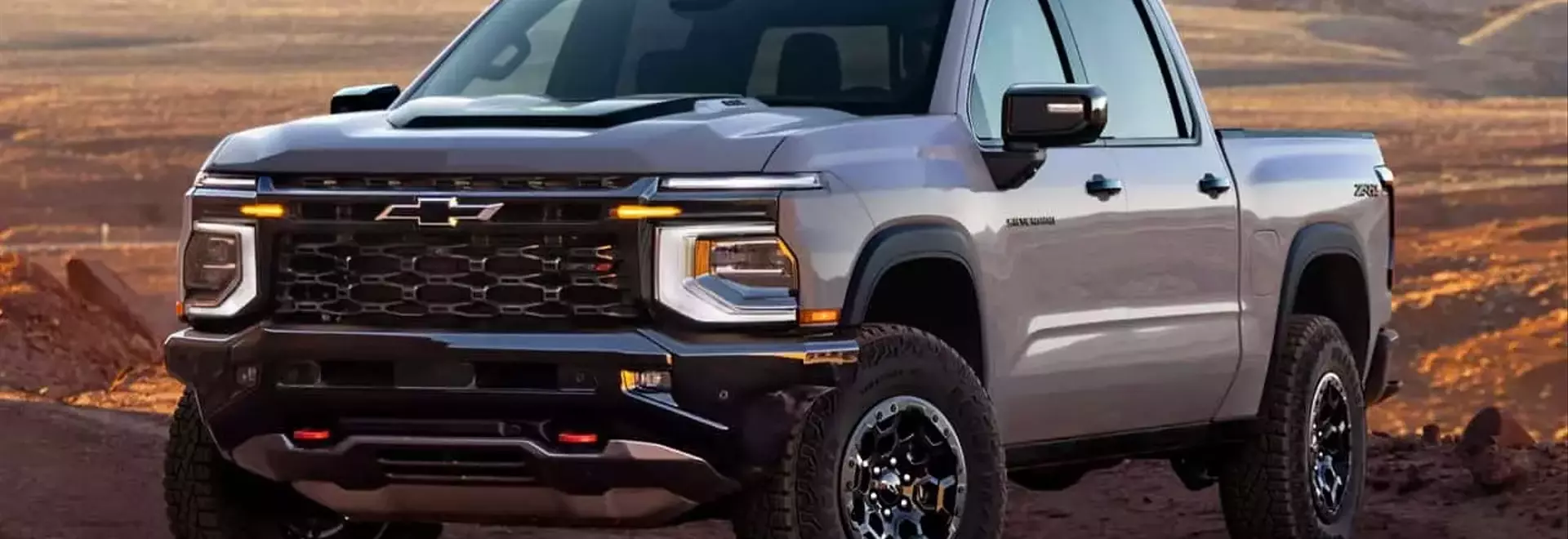
This current consumer reaction to escalating fuel costs appears distinct from past episodes. Historically, it took a longer period for rising gas prices to influence buyer decisions regarding less fuel-efficient vehicles. However, the present scenario indicates an accelerated response, possibly exacerbated by broader economic pressures such as inflation. Despite this downturn in demand for larger models, General Motors recently unveiled new iterations of the Silverado 1500, notably featuring more powerful V8 engines, a move that contrasts with the evolving market sentiment.
Rising Fuel Costs Reshape Consumer Choices
General Motors' leadership acknowledges a discernible shift in buyer preferences away from substantial trucks and utility vehicles, driven by the current elevated costs at the fuel pumps. This trend, as noted by Duncan Aldred, the President of GM North America, points to a heightened consumer awareness of overall affordability. Unlike past periods of increased gas prices, the current economic climate, marked by persistent inflation, is pushing consumers to more quickly reconsider their automotive choices, favoring more economical options over larger, fuel-intensive models. This phenomenon presents a challenge for manufacturers heavily invested in the truck and SUV markets, requiring them to closely monitor these evolving dynamics.
The current volatility in fuel prices, influenced by global events, has accelerated consumer sensitivity to vehicle running costs. This means that while large trucks and SUVs have traditionally been strong sellers for GM, their appeal is waning as buyers prioritize vehicles with lower operating expenses. The market is now witnessing a gravitation towards smaller, more efficient alternatives, a pattern that could signify a sustained change in purchasing behavior. This environment underscores the need for automotive companies to adapt their product strategies to align with these emerging consumer priorities, emphasizing efficiency and affordability in their future vehicle lineups.
Strategic Implications for General Motors' Product Portfolio
The pronounced impact of high fuel prices on the demand for large vehicles presents General Motors with strategic considerations for its future product development. Despite the recent introduction of new Silverado 1500 models equipped with V8 engines, the company recognizes the growing market preference for more affordable and fuel-efficient vehicles. GM's existing success with compact models like the Chevrolet Trax and Buick Envista demonstrates a viable path forward, suggesting that increased investment in these smaller segments could mitigate the risks associated with declining large vehicle sales. This strategic pivot would involve directing more development resources towards innovative, economical solutions, rather than solely focusing on the traditional truck and SUV segments.
This shift in market demand could prompt a re-evaluation of GM's long-term product strategy. By expanding its range of compact and cost-effective vehicles, the company can cater to a broader base of consumers who are increasingly sensitive to overall vehicle ownership costs. The challenge lies in balancing the continued production of profitable large vehicles with the imperative to innovate and expand in the smaller, more fuel-efficient categories. This requires a nuanced approach to product planning, ensuring that GM remains competitive across various market segments while adapting to the evolving economic landscape and consumer demands for greater affordability and efficiency.
