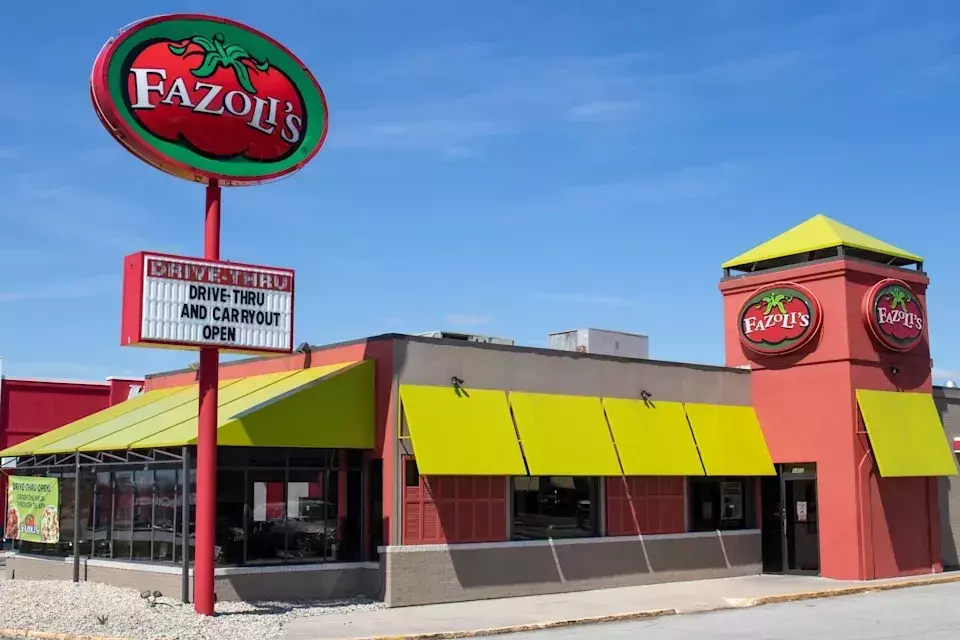
Italian Chain Fazoli's Closes 50 Restaurants and Exits One State Amid Bankruptcy
Fazoli's, a well-known Italian fast-casual dining establishment, has significantly downsized its operations, shuttering 50 locations nationwide within the past nine months. This move includes a complete withdrawal from Alabama, as the company grapples with the aftermath of its parent corporation, FAT Brands Inc., filing for Chapter 11 bankruptcy earlier this year. The challenges faced by Fazoli's underscore a broader trend of difficulties within the Italian restaurant industry, marked by escalating operational costs and an evolving landscape of consumer tastes.
Italian Fast-Casual Chain Fazoli's Undergoes Major Restructuring and Ownership Change
In a dramatic turn of events, the Italian fast-casual chain Fazoli's has ceased operations at 50 of its restaurants across the United States over the past nine months, culminating in a complete departure from the state of Alabama. This widespread closure follows the January 2026 Chapter 11 bankruptcy filing by its parent company, California-based FAT Brands Inc., in the U.S. Bankruptcy Court for the Southern District of Texas.
According to a comprehensive report by TheStreet on August 17, 2026, Fazoli's has seen its total number of active restaurants diminish from 192 in November 2025 to 142. Recent closures include its last remaining outlet in Battle Creek, Michigan, effectively ending its presence in West Michigan. As of late July 2026, Michigan now hosts only two Fazoli's establishments: one in Jackson and another in Lansing. Similarly, in Nebraska, a Lincoln location closed its doors on July 20, 2026, leaving only three restaurants in Omaha and Bellevue. Central Kentucky also experienced shutdowns, with two locations in Lexington and Nicholasville ceasing operations, though the state still retains 26 Fazoli's restaurants scattered across various cities.
FAT Brands Inc., a conglomerate overseeing 18 restaurant concepts globally, including prominent names like Fatburger and Johnny Rockets, initiated bankruptcy proceedings to restructure its substantial debt, estimated between $1.5 billion and $1.58 billion. The company's CEO, Andy Wiederhorn, stated that the Chapter 11 process aims to fortify its capital structure and ensure the long-term viability of its brands. This strategic move has led to the closure of selected outlets across its portfolio, including Fazoli's.
In June 2026, a significant change in ownership occurred for much of FAT Brands' assets. FBG Bid Co., a consortium comprising former bondholders, acquired 13 of its restaurant brands, including Fazoli's, in a $595 million credit bid. This transaction encompasses over 1,700 locations worldwide, signaling a new chapter for these culinary establishments.
The struggles faced by Italian restaurants like Fazoli's are not isolated. Industry experts point to common challenges plaguing the entire restaurant sector in the U.S., such as escalating costs for food, labor, insurance, and energy. Over 90% of operators cite these factors as their biggest hurdles. Furthermore, a 2025 survey by the National Restaurant Association revealed that 42% of restaurant operators were unprofitable. Beyond these universal issues, Italian cuisine faces its own unique pressures, including a noticeable shift in consumer preferences towards more diverse global cuisines and the inherent volatility of prices for staple ingredients like wheat, cheese, and specialized oils. These combined factors contribute to a challenging environment for maintaining profitability and growth.
The narrative of Fazoli's serves as a poignant reminder of the fierce competition and economic pressures that even beloved culinary institutions face in today's dynamic market. Despite Italian cuisine's enduring popularity and Fazoli's distinct offerings, such as its fast-casual model, affordable pricing, and highly praised breadsticks, the economic realities have proved formidable. The closures highlight the critical need for adaptability and robust financial health in an industry constantly evolving. The acquisition by FBG Bid Co. offers a glimpse of hope for the future, but the path ahead will undoubtedly demand strategic innovation and a keen understanding of shifting consumer demands to ensure the brand's long-term resurgence.
