India-UK Trade Agreement: A New Era of Economic Cooperation
A new chapter in international trade relations has commenced with the official implementation of the Comprehensive Economic and Trade Agreement between India and the United Kingdom. This groundbreaking accord is designed to dismantle trade barriers, fostering an environment ripe for mutual economic growth. It promises substantial benefits for a diverse array of sectors in both countries, from manufacturing and agriculture to technology and finance, through the reduction of import duties and expanded market access. The agreement is poised to not only boost bilateral trade volumes but also to enhance collaboration in services, facilitating the movement of skilled professionals and stimulating innovation.
Landmark Trade Agreement Unlocks Economic Potential for India and UK
On a significant Wednesday, July 15, 2026, the long-anticipated trade agreement between India and the United Kingdom officially came into force, ushering in a new era of enhanced economic collaboration. This landmark pact, known as the India-UK Comprehensive Economic and Trade Agreement, is set to revolutionize trade flows by significantly reducing tariffs on a vast array of commodities and opening new avenues for services and skilled individuals in both nations.
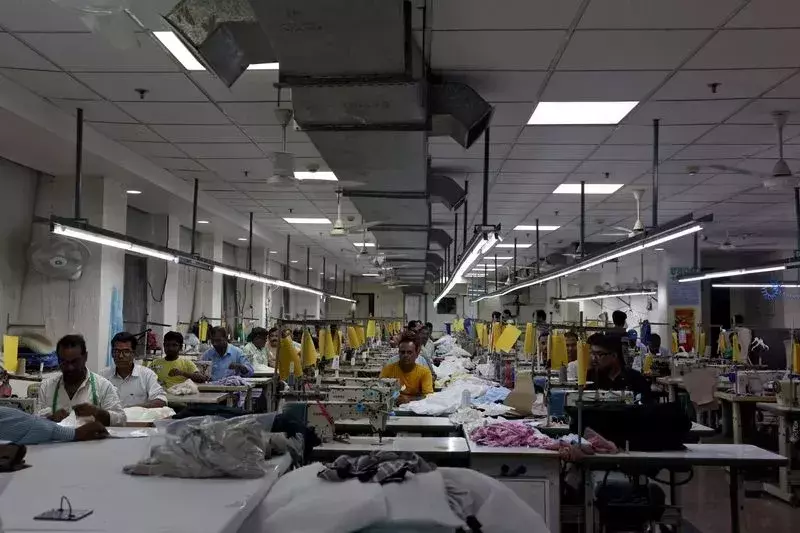
For India, the agreement provides unparalleled duty-free access to the British market for a multitude of goods. Industries such as textiles, leather products, footwear, marine exports, precious stones, jewelry, and processed food items are expected to experience a considerable boost in competitiveness and export volumes. Meanwhile, the United Kingdom stands to gain expanded entry into one of the world's most rapidly developing economies. This includes progressive tariff reductions and quotas for sectors like automotive manufacturing and silver, alongside increased opportunities in government procurement, financial services, education, insurance, and professional services.
Indian Prime Minister Narendra Modi, reflecting on the accord, conveyed his enthusiasm on the social platform X, emphasizing that the trade pact, coupled with a social security agreement, would invigorate economic connections and inject renewed vitality into India's agricultural sector, entrepreneurial landscape, and small and medium-sized enterprises. Data from the Indian trade ministry reveals that during the fiscal year 2025/26, India's exports to Britain reached an impressive $13.44 billion, while imports stood at $11.68 billion. The bilateral trade in services was substantial, totaling $35.44 billion in 2024, with India enjoying a services surplus of approximately $7.9 billion.
Under the terms of the agreement, Britain will immediately eliminate duties on 96.8% of its tariff lines, encompassing 97.7% of its total trade value. India, in return, will remove duties on 64.1% of its tariff lines instantly, with an additional 21% being phased out over time, strategically excluding certain sensitive products. Indian officials anticipate significant advantages for sectors that previously faced British tariffs ranging from 4% to 20%. The removal of duties on marine exports, textiles, leather, footwear, gems, and jewelry is expected to substantially enhance the global competitiveness of Indian products.
The engineering sector also foresees considerable gains. Britain is a crucial market for Indian engineering exports, which totaled $4.7 billion in the 2025/26 fiscal year. The Engineering Export Promotion Council (EEPC) of India reported a robust 34.4% year-on-year increase in exports to Britain, reaching $972.5 million in the initial two months of 2026/27. Pankaj Chadha, Chairman of the EEPC, projects that the agreement will improve market access for goods such as electrical machinery, auto components, and steel, potentially propelling engineering exports to Britain beyond $7.5 billion by the 2029/30 fiscal year.
Conversely, the United Kingdom is set to benefit from India's gradual liberalization of its automotive and alcoholic beverage markets. Passenger vehicle imports will be governed by a phased quota system, allowing 37,000 fully assembled vehicles annually to enter India at preferential tariff rates. The comprehensive services package expands market access across 137 sub-sectors, including information technology, business consulting, telecommunications, finance, and education. It also streamlines temporary entry regulations for business visitors, intra-company transferees, investors, service providers, and independent professionals.
A related Double Contribution Convention will exempt eligible Indian professionals and their employers from contributing to Britain's National Insurance system for periods of up to five years, a provision expected to benefit around 75,000 workers and 900 employers. Furthermore, the agreement opens Britain's substantial government procurement market, valued at approximately £90 billion ($121 billion), to Indian suppliers, with India extending reciprocal opportunities worth around $114 billion.
This ambitious trade deal signifies a powerful commitment from both India and the UK to strengthen their economic partnership, promising a future of increased prosperity and collaborative growth.
The successful implementation of the India-UK trade pact underscores the potential for nations to forge stronger economic alliances through mutually beneficial agreements. This development serves as a compelling testament to the power of cooperation in navigating global economic complexities and fostering shared prosperity. It highlights how targeted policies, such as tariff reductions and market access expansions, can stimulate growth across diverse industries, from traditional manufacturing to advanced services. Moreover, the focus on facilitating the movement of skilled professionals points towards a forward-thinking approach to trade, recognizing human capital as a vital component of economic exchange. This agreement offers a valuable blueprint for other countries considering similar partnerships, demonstrating that strategic collaboration can unlock new opportunities and build resilient economies in an increasingly interconnected world.
