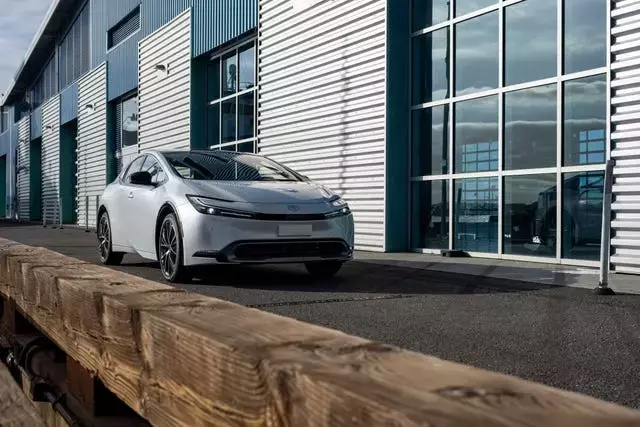
Hybrid Cars: Reliability, Efficiency, and Longevity
In an era increasingly focused on environmental responsibility and technological advancement, hybrid vehicles are emerging as a compelling alternative for consumers. This comprehensive analysis delves into the inherent reliability of hybrid cars, contrasting them with conventional gasoline-powered vehicles and fully electric models. It specifically examines the durability of hybrid battery systems, the advantages of regenerative braking for extended component life, and presents crucial reliability data to help potential buyers make informed decisions. The report concludes that hybrid vehicles offer a prudent choice for many drivers, providing benefits such as reduced mechanical strain, significant fuel economies, and diminished maintenance requirements.
Hybrid Vehicle Durability: A Deep Dive into Batteries and Braking
The modern automotive landscape has witnessed the rise of hybrid vehicles, first pioneered by models like the Honda Insight and the iconic Toyota Prius. These innovations, which combine internal combustion engines with electric motors, have continually evolved, boasting enhanced power and fuel efficiency. A common query among prospective buyers, however, revolves around the reliability of these intricate systems, particularly concerning their sophisticated electronics and battery packs.
To demystify this, it's crucial to differentiate between standard hybrids and plug-in hybrids (PHEVs). A standard hybrid vehicle integrates an electric motor to assist the internal combustion engine, primarily during acceleration from a standstill and deceleration, capturing energy through regenerative braking. Plug-in hybrids, on the other hand, feature more potent electric motors and larger battery packs, enabling them to be charged externally and driven for significant distances solely on electric power. This capability offers substantial fuel savings and reduces emissions for daily commutes.
A critical component of hybrid reliability is the battery. Despite their complexity, hybrid batteries are engineered with remarkable redundancy. Research from Carnegie Mellon University in 2017 projected that even under severe conditions, such as extreme heat in Phoenix, Arizona, a basic plug-in hybrid without active battery cooling would retain 80% of its capacity after seven years. With the widespread integration of onboard battery cooling systems in most modern hybrids, this lifespan extends significantly, potentially reaching 15 years in hot climates and up to 18 years in more temperate regions like San Francisco, before experiencing a 20% degradation in capacity. Automakers further underscore this confidence with generous warranties; most hybrids come with 100,000-mile battery warranties, with some, like Toyota, offering an impressive 10-year, 150,000-mile guarantee.
Beyond the battery, hybrid technology positively impacts other critical vehicle components, notably the braking system. Regenerative braking, a cornerstone of hybrid design, utilizes the electric motor to convert kinetic energy into electrical charge during deceleration, which is then stored in the battery. This process not only improves fuel economy but also dramatically extends the lifespan of conventional brake pads. An SAE International study highlighted that vehicles equipped with regenerative braking could see brake pad life extended to an estimated 186,000 miles, a significant improvement over traditional braking systems.
Furthermore, the engine in a hybrid benefits from reduced wear and tear. The reliance on electric power for initial acceleration in stop-and-go traffic lessens the strain on the internal combustion engine. In plug-in hybrids, engines might only engage during longer journeys or when battery power is depleted, further minimizing operational hours. Consumer Reports' 2025 findings reveal that hybrid cars typically exhibit 15% fewer issues compared to their gasoline-only counterparts. However, fully electric vehicles and plug-in hybrids, due to their more complex systems, show a slightly lower reliability, averaging 80% less reliable than conventional internal combustion engine cars. Despite this, the economic and environmental advantages of plug-in hybrids often outweigh the perceived reliability risks for many buyers.
The current automotive landscape presents a compelling case for hybrid vehicles, combining environmental consciousness with practical benefits for drivers. The meticulous engineering behind hybrid batteries, coupled with the efficiency of regenerative braking, positions hybrids as a reliable and economically sound choice. While plug-in hybrids introduce a layer of complexity that can impact their overall reliability ratings, their significant fuel savings and reduced emissions offer substantial advantages. For many, the long-term cost efficiencies and decreased maintenance demands make hybrids, and even PHEVs, an attractive and forward-thinking investment in personal transportation.
