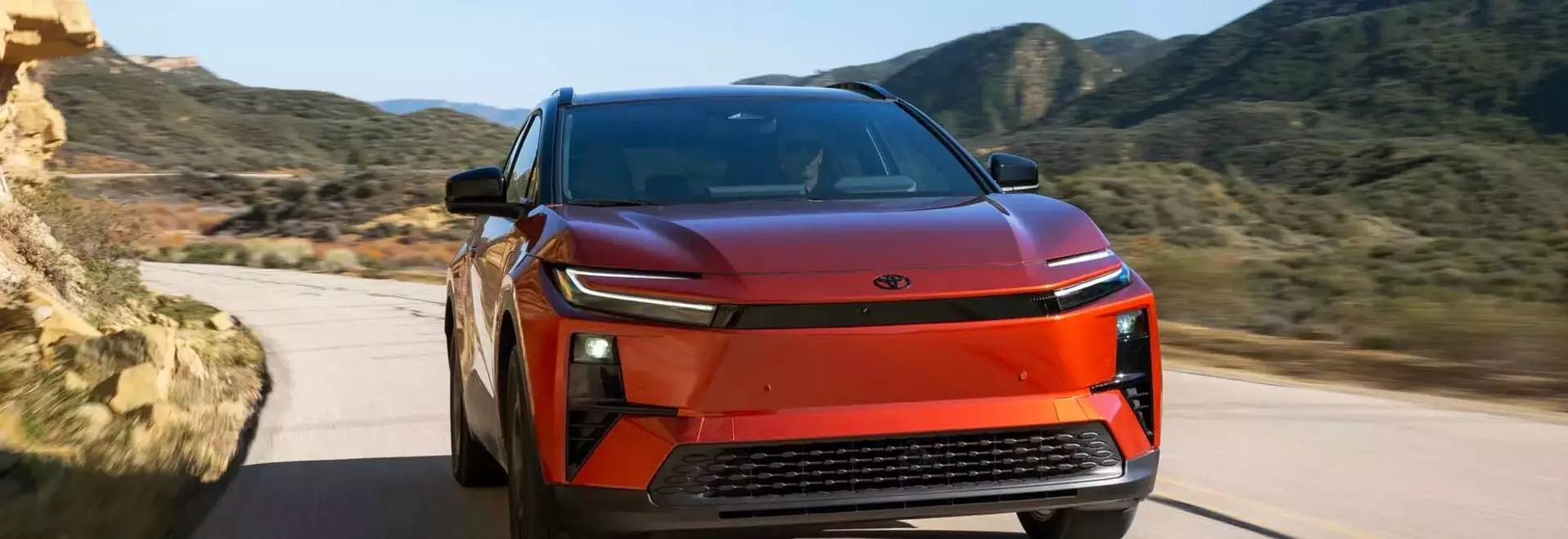
Toyota C-HR: A Refined Electric Crossover for the Modern Era
Experience the Future of Urban Driving: The 2026 Toyota C-HR.
The Evolution of an Icon: From Concept to Contemporary Crossover
A decade has passed since the Toyota C-HR first appeared at the Geneva auto show, a time when social media platforms like TikTok were still in their nascent stages. Fast forward to today, and both have undergone dramatic transformations. The C-HR, once a modest 144-horsepower vehicle, has evolved into a sophisticated electric crossover that boasts dynamic styling, a luxurious cabin, and a powerful electric motor. While Toyota might not fully achieve its ambition of creating the sportiest electric SUV with the C-HR, it undeniably delivers swift acceleration, a comfortable ride, and a wealth of cutting-edge features.
Performance and Dynamics: A Swift and Smooth Ride
Sharing its electric DNA with Toyota's bZ and bZ Woodland EVs, the C-HR differentiates itself with a more compact footprint, featuring a shorter wheelbase and overall length. Despite its smaller stature, it inherits the bZ's formidable dual-motor, all-wheel-drive system, unleashing an impressive 338 horsepower. This propels the C-HR from 0 to 60 mph in an estimated 4.9 seconds, a remarkable feat for a vehicle weighing approximately 4400 pounds in its fully equipped form. While the C-HR maintains its composure during everyday driving, its handling on demanding roads is less exhilarating. The steering, though precise, lacks tactile feedback, and noticeable body roll, partly due to its 8.0 inches of ground clearance, can lead to understeer. Nevertheless, for most drivers navigating urban environments, the responsive powertrain, comfortable suspension, and serene cabin environment offer a pleasant and refined driving experience.
Battery Life and Charging: Powering Your Journeys
The C-HR is equipped with a battery offering approximately 67 kWh of usable energy, providing a respectable driving range. The base SE model is projected to travel 287 miles on a single charge, while the XSE trim, with its larger 20-inch wheels, offers a still commendable 273 miles. Embracing the NACS port, the C-HR supports DC fast-charging up to 150 kilowatts. For home charging, an 11.0-kW onboard charger allows for a full Level 2 charge in about 7.5 hours. Toyota thoughtfully includes both a 120-/240-volt charging cable and a NACS-to-CCS adapter as standard accessories, ensuring versatility for various charging scenarios.
Interior Refinement and Features: A Sanctuary of Modern Comfort
The interior of the C-HR mirrors the sophisticated design language found in the bZ and bZ Woodland models. Its cabin layout is largely identical, featuring a prominent 14.0-inch touchscreen and a digital instrument cluster. Toyota's infotainment system is praised for its clean and intuitive interface, complemented by a generous array of physical controls conveniently located on the steering wheel and center console. The XSE variant elevates the cabin's ambiance with a blend of suede inserts and SofTex faux-leather upholstery, imparting a premium feel that belies its price point. While the hard plastics on the door panels are a minor detractor, they don't significantly diminish the overall luxurious impression.
Space, Versatility, and Advanced Amenities: Designed for Life's Demands
Despite its more compact dimensions compared to the bZ, the C-HR offers ample rear legroom. However, taller rear passengers might find the footwell space under the front seats limited, and the shorter, flatter seat cushions, combined with the sloping roofline, could lead to a slightly elevated knee position. Nonetheless, the XSE trim provides the comfort of heated rear seats, and both trims include HVAC vents and a pair of USB-C ports for rear occupants. The C-HR also boasts a practical cargo area, offering only slightly less space behind the second row than the bZ. The rear seats can be folded down to expand cargo capacity to a generous 60 cubic feet, accessible via a convenient power liftgate. Standard features include rain-sensing wipers, heated front seats, an eight-way power driver's seat, a heated steering wheel, two inductive charging pads, and three USB-C ports. The XSE trim further enhances luxury with suede seat inserts, an eight-way power front passenger seat, and a 360-degree surround-view camera. Optional upgrades for XSE buyers include a panoramic glass roof and a nine-speaker JBL sound system.
Value Proposition: A Compelling Choice in the EV Market
The 2026 Toyota C-HR presents a strong value proposition, with the SE model starting at $38,450 and the XSE at $40,450. These competitive price points make it a more affordable option than many of its rivals, while offering superior power and impressive range. Although its handling might not satisfy enthusiasts seeking an ultra-sporty drive, the C-HR's responsive acceleration and feature-rich cabin represent a significant upgrade from its origins, making it a highly attractive and modern electric crossover.
