Heavy-Duty Trucks Finally Receive Essential Safety Ratings
Historically, heavy-duty commercial trucks and vans operated without the same stringent safety assessments applied to passenger vehicles. Unlike cars, SUVs, or even full-size consumer trucks, these industrial workhorses were not subjected to the Federal Motor Vehicle Safety Standards (FMVSS), meaning they lacked star ratings from the National Highway Traffic Safety Administration (NHTSA) and independent evaluations from organizations like the Insurance Institute for Highway Safety (IIHS).
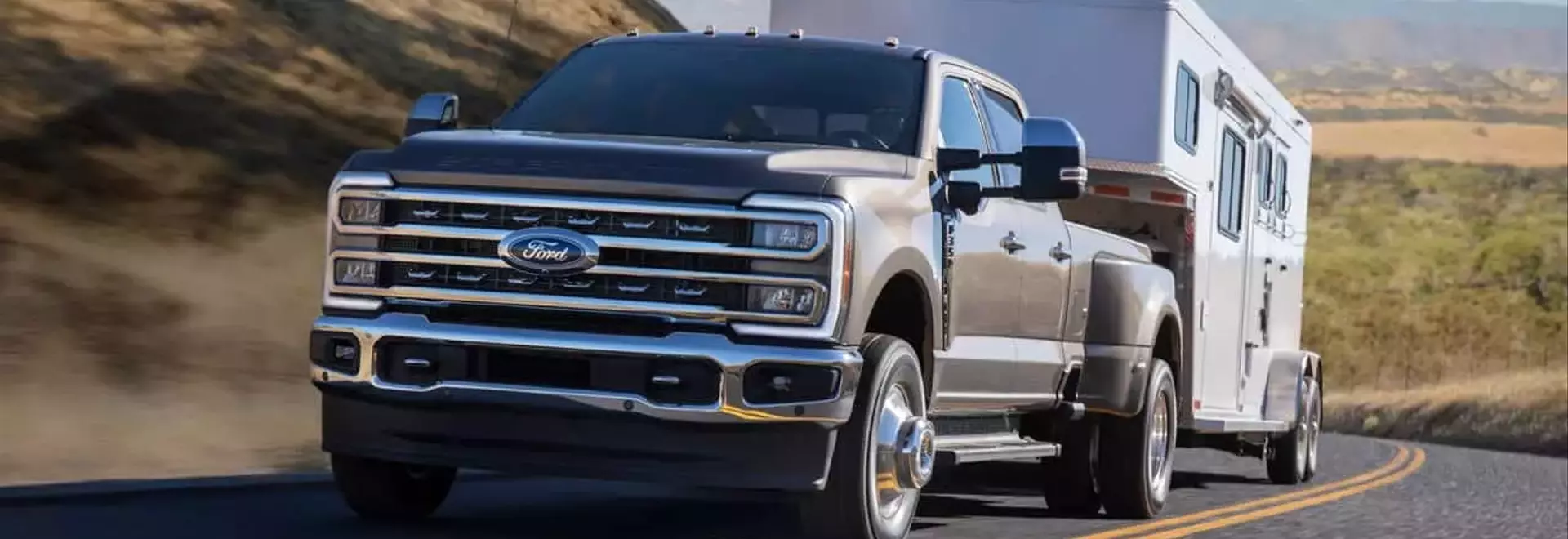
Breaking this long-standing precedent, the IIHS has recently unveiled its inaugural safety evaluations for commercial vehicles. These initial assessments focus on critical safety features that are standard in passenger cars but were previously overlooked in larger trucks and vans. Key areas of evaluation included standard front and side airbags, seat belt pre-tensioners, seat belt force limiters, and seat belt reminders. The IIHS plans to expand its evaluations later this year to include crucial technologies such as automatic emergency braking and advanced headlight systems. In these preliminary tests, scores were determined by a simple pass/fail system, indicated by a green checkmark or a red "X". Among the models examined were three heavy-duty pickup trucks: the 2026 Chevrolet Silverado 3500HD, the 2025 Ford F-350 Super Duty, and the 2025 Ram 3500. Additionally, six cargo vans were assessed: the 2025 BrightDrop 400, 2025 Ram ProMaster 2500, 2025 Ford Transit T250, 2025 Mercedes Sprinter 2500, 2025 Rivian Delivery 500, and 2025 Chevrolet Express 2500. Notably, the BrightDrop 400, Ram ProMaster 2500, 2026 Chevrolet 3500HD, and 2025 Ford F-350 achieved flawless scores across all five categories. However, several models, including the Transit, Sprinter, Delivery, Express, and Ram 3500, fell short in the seat belt reminder category, with the Express also failing due to the absence of standard seat belt force limiters.
The introduction of these safety ratings by the IIHS marks a significant step forward for public safety. As IIHS President David Harkey highlighted, this initiative is crucial because commercial vehicles have historically been an afterthought in safety regulations. The data underscores the urgency of such evaluations: in 2023, accidents involving heavy or medium-duty trucks and light vans resulted in 6,535 fatalities, accounting for a staggering 16% of all road deaths in the United States. This new focus aligns with the IIHS's ambitious 30x30 vision, which aims to reduce road fatalities by 30% by 2030, a goal made more pressing by the 30% increase in crash deaths between 2014 and 2022. By providing comprehensive safety information, the IIHS empowers both individual consumers and commercial entities to make informed purchasing decisions, ultimately fostering a safer driving environment for everyone. While commercial vehicles were once primarily work tools, their increasing use as personal transport necessitates a reevaluation of existing safety exemptions.
