Grocery Chain Shutting Down Two Long-Standing Stores
A well-established supermarket group is slated to shutter two of its long-standing outlets in California. This move signals a significant shift in the retail landscape, reflecting broader industry challenges such as rising operational costs and evolving consumer behaviors. The affected communities will lose familiar shopping destinations, highlighting the ongoing transformation within the grocery sector, where companies are increasingly forced to adapt to changing market dynamics.
These closures are not isolated incidents but rather symptomatic of widespread pressures facing grocery retailers across the nation. Factors like increasing labor expenses, supply chain disruptions, and heightened competition from discount stores and online platforms are compelling many supermarket chains to re-evaluate their portfolios and consolidate operations. While some areas will see new openings and renovations, other communities will experience the disappearance of neighborhood stores, raising concerns about access to affordable food options and the overall vitality of local economies.
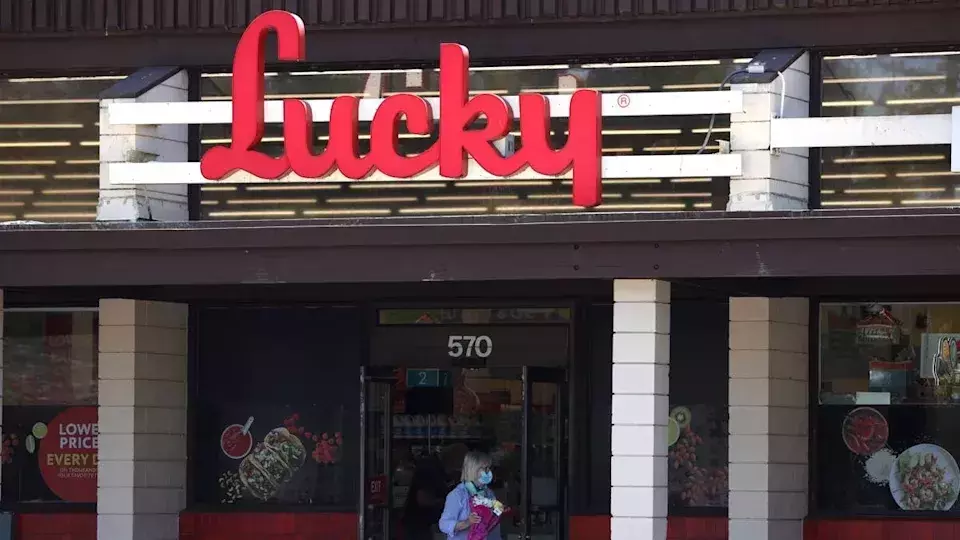
Lucky Supermarket Confirms Store Divestments
Lucky Supermarket has officially announced the permanent closure of two of its California branches in the coming weeks. The Danville location, situated at 660 San Ramon Valley Rd, will cease operations on July 17, while the San Francisco store, located at 1750 Fulton St, will close on September 11. These decisions come after both stores consistently failed to meet performance expectations, despite prior efforts to enhance their facilities and improve customer experience, underscoring the tough business environment faced by traditional grocers.
A company spokesperson indicated that such difficult decisions are sometimes necessary as part of their routine assessment to ensure all stores meet business standards. They emphasized that despite remodeling efforts, these particular locations did not achieve the sales and profitability required to sustain operations. Employees from the closing stores will have the opportunity to transfer to other nearby Lucky locations, subject to availability and seniority, as the company aims to minimize the impact on its workforce. Although these specific branches are closing, Lucky Supermarket will continue to serve customers through its remaining network of stores in the surrounding areas.
Broader Retail Market Pressures
The closures at Lucky Supermarket are indicative of larger, systemic shifts influencing grocery retailers throughout the United States. Businesses are currently grappling with escalating labor expenses, increasing transportation costs, persistent interruptions in their supply networks, and fierce competition from both budget retailers and expanding e-commerce food delivery services. These combined pressures have intensified the review of existing store locations and are driving a continuous restructuring within the entire retail industry, as companies strive to maintain profitability and relevance.
According to recent industry projections, U.S. retailers anticipate closing approximately 7,900 stores in the upcoming year, a decrease from the previous year, while also planning to open around 5,500 new locations. This trend highlights a dynamic recalibration across various retail categories, as companies strategically adjust to evolving consumer demands and operational expenditures. While grocery stores remain essential services, many operators are now focused on optimizing their physical presence to strike a balance between customer convenience, financial viability, and the changing landscape of consumer purchasing habits, such as a greater reliance on digital shopping platforms.
