GM Sales Decline Amidst Shifting EV Market Dynamics
General Motors experienced a notable decline in sales during the second quarter of 2026, registering a 4.2% drop compared to the same period in 2025. Despite this downturn, the automotive giant maintained its leading position in the United States market. The primary factor contributing to this decrease is identified as a contraction within the electric vehicle (EV) sector, especially impacting more affordably priced models, a trend that emerged after the conclusion of the $7,500 federal tax credit program. Although GM holds the second spot in EV sales, trailing only Tesla, its electric vehicle deliveries saw a significant 32.6% reduction, with the majority of its EV models reporting decreased unit movements.
This evolving landscape presents a complex challenge for GM and the broader automotive industry. The unexpected softening of EV demand, coupled with the persistent dominance of traditional gasoline-powered vehicles in certain segments, highlights a crucial period of adjustment. Automakers are navigating consumer hesitations regarding EV affordability and charging infrastructure, while also working to innovate and attract a wider customer base to electric options. The data suggests that while the long-term shift towards electrification is undeniable, the path forward is marked by fluctuations and the need for adaptable strategies to stimulate market growth and sustain sales momentum across all vehicle types.
General Motors' Market Performance and EV Sector Challenges
General Motors reported a 4.2% decrease in sales for the second quarter of 2026, totaling 714,896 vehicles, a drop from 746,588 units sold in Q2 2025. This downturn contributed to an overall 6.8% reduction in sales for the first half of 2026, with 1,341,325 vehicles delivered compared to 1,439,951 in the same period last year. Despite these figures, GM managed to retain its status as the leading automaker in the United States. A significant contributing factor to this sales slump is the shrinking electric vehicle market, particularly affecting more economical EV models, largely attributed to the conclusion of the $7,500 federal tax credit. This shift indicates a changing dynamic in consumer preference and market incentives for electric vehicles.
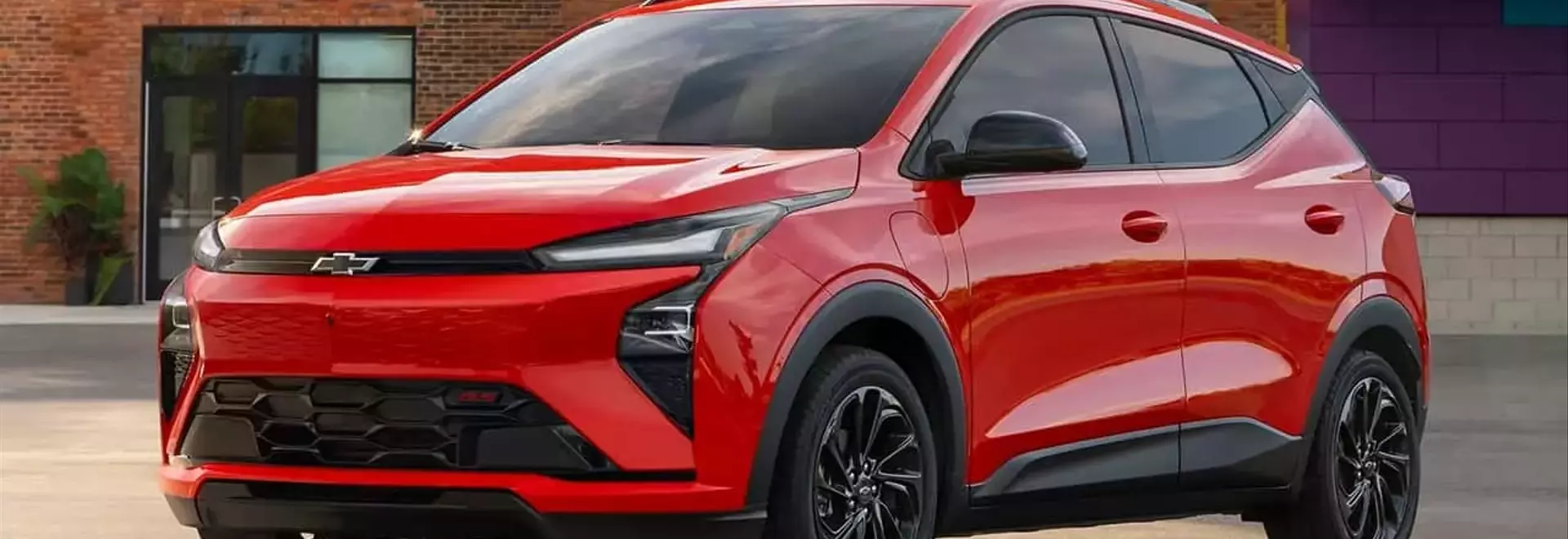
The impact of this market contraction was evident across GM's diverse EV lineup. Out of its 11 electric models, including the recently discontinued BrightDrop, only four models—the Cadillac Optiq, Cadillac Vistiq, Chevrolet Bolt, and GMC Sierra EV—managed to show increased sales compared to the second quarter and first half of 2025. However, even these gains require context; the Chevrolet Bolt’s staggering 3,334.1% increase is largely due to its minimal sales of 123 units in early 2025, essentially restarting its market presence. Similarly, the Cadillac Vistiq, launched in Q2 2025, benefited from low comparative figures. Conversely, other key EV models like the Chevrolet Blazer EV experienced a sharp 75.1% decline, and the GMC Hummer EV saw a 54.9% drop. GM maintains its position as the second-largest EV seller in the US, but with a 32.6% decrease in EV sales from the previous year, equating to 56,679 units, it faces a substantial gap behind Tesla.
Navigating the Evolving Electric Vehicle Landscape
The pronounced decline in GM’s electric vehicle sales highlights broader challenges within the EV market, especially following the cessation of the federal tax credit. This shift has particularly impacted entry-level electric models, indicating that consumer adoption remains highly sensitive to financial incentives. While GM is striving to expand its EV portfolio, the current market conditions reveal a cautious consumer base, possibly deterred by upfront costs, range anxiety, or the evolving charging infrastructure. The uneven performance across GM’s EV models, with some showing impressive growth from a low base while others experience significant drops, underscores the volatility and complexity of the current transition to electric mobility.
This intricate market scenario forces GM to re-evaluate its strategy for electric vehicles. The company's continued leadership in overall US sales, juxtaposed with the struggles in its EV division, points to a bifurcated market. It suggests that while there is a general move towards greener transportation, the speed and nature of this transition are not linear. GM's challenge lies in innovating beyond just vehicle production to address the ecosystem of EV ownership, including battery technology, charging accessibility, and sustained affordability. The coming years will be critical for GM to solidify its long-term position in the EV sector, requiring strategic investments and a keen understanding of shifting consumer preferences and governmental policies.
