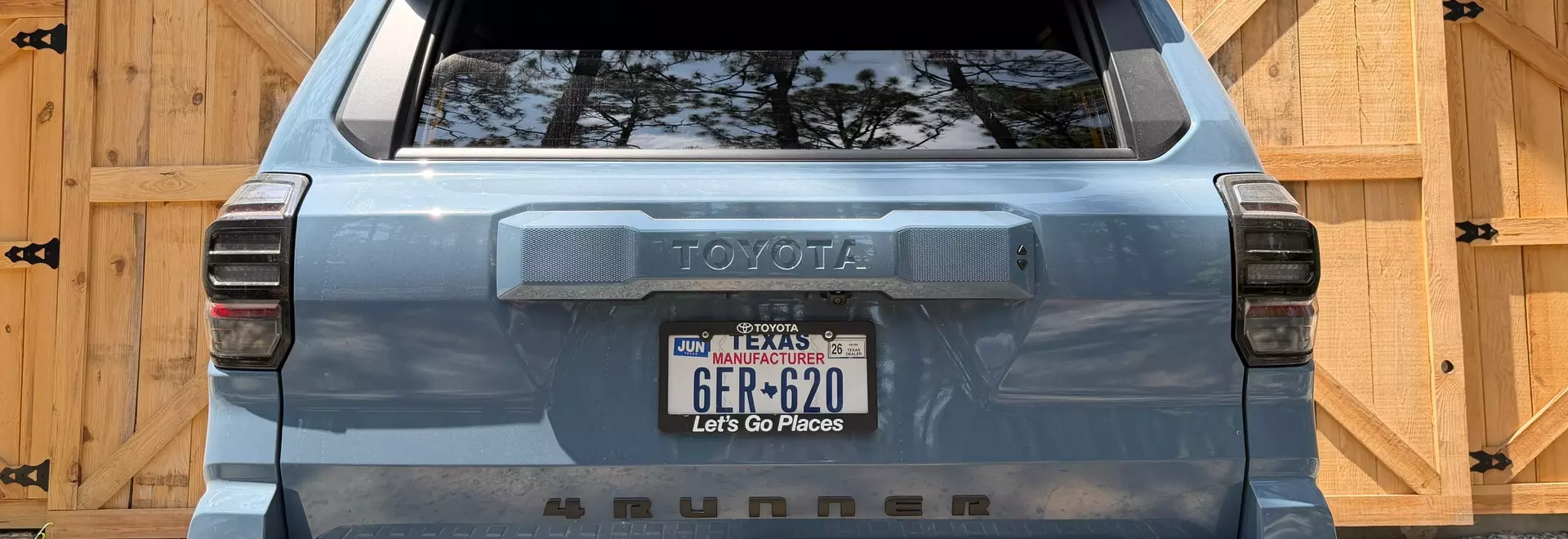
The Enduring Appeal of the Toyota 4Runner's Power Rear Window
The Toyota 4Runner stands out in the SUV market not just for its rugged capability but for a peculiar design element that has become its signature: the power-operated rear window. This feature, allowing the rear glass to roll down into the tailgate, is far more than a mere convenience; it embodies a spirit of freedom and utility that resonates deeply with owners and enthusiasts. While often overshadowed by discussions of four-wheel drive or removable roofs, this unique window has been consistently identified as the defining characteristic that imbues the 4Runner with an undeniable coolness, fostering a sense of adventure that few other vehicles can replicate. Its appeal is so profound that even modern electric vehicles, like the Rivian R2, are incorporating similar roll-down window designs, tacitly acknowledging the competitive edge it offers. This design choice, while presenting engineering challenges, has cemented the 4Runner's iconic status over four decades, proving that sometimes, the simplest features make the most lasting impression.
The engineering behind a power rear window is surprisingly complex, involving specific considerations for the vehicle's rear architecture to accommodate the glass, motor, and various sealing components. Unlike flip-up windows found in many other SUVs, including Toyota's own Sequoia in its latest redesign, the roll-down mechanism requires a flat rear glass profile and sufficient space within the liftgate for the window to retract fully. This intricacy is further complicated by the need for robust sealing, defrosters, and wipers, all integrated into a moving glass panel. Toyota has mastered this challenging design over 40 years, ensuring reliability despite the inherent mechanical demands. The owner's manual even contains specific instructions and warnings, such as the power liftgate being disabled when the rear window is down, to prevent potential issues. However, the functionality and the feeling of openness it provides far outweigh these complexities for many, cementing its status as an indispensable part of the 4Runner's identity.
The Unmatched Allure of the 4Runner's Retractable Rear Glass
The Toyota 4Runner's power rear window has evolved into an iconic and almost indispensable characteristic, elevating the vehicle's mystique beyond typical SUV attributes like off-road prowess or cabin space. This distinctive feature, a rarity in modern automotive design, grants the 4Runner a unique blend of practicality and character. Drivers and passengers alike revel in the capability to fully lower the rear window, creating an open-air experience that is perfectly suited for various outdoor pursuits, such as extending surfboards, fishing rods, or skis out the back. This element not only enhances the vehicle's utility but also cultivates an emotional connection with its users, embodying a spirit of adventure and freedom that is deeply cherished. Its presence often sparks a visceral reaction, with enthusiasts citing it as a primary reason for their unwavering loyalty to the 4Runner, highlighting its significant role in the vehicle's enduring appeal.
The profound impact of the power rear window on the 4Runner's identity is evident in its continued inclusion across generations, despite the inherent engineering complexities. Unlike conventional fixed or flip-up rear windows, the retractable design demands meticulous integration of mechanical and electrical systems, including specialized motors, regulators, and sealing mechanisms, all within the confined space of the tailgate. This commitment to maintaining such a labor-intensive feature, even as other manufacturers simplify their designs, underscores Toyota's understanding of its significance to the 4Runner's fan base. Brock Cartlidge, senior manager for vehicle marketing at Toyota trucks, has affirmed that preserving this signature feature was paramount during the sixth-generation 4Runner's redesign, even as other aspects like powertrains evolve. The success of this design choice has even influenced emerging competitors, such as the electric Rivian R2, which now offers a similar five-window roll-down functionality, demonstrating the pervasive influence of the 4Runner's iconic rear window.
Engineering Marvel: The Intricacies of a Roll-Down Window
The power rear window in the Toyota 4Runner, while seemingly a straightforward convenience, is a sophisticated piece of engineering that distinguishes it from nearly all other SUVs. This mechanism requires the rear glass to be predominantly flat, demanding specific structural accommodations within the liftgate to house the window when lowered, along with its motor and intricate regulator assembly. Such design constraints often dictate the overall shape of the vehicle's rear end, contributing to the 4Runner's distinctive aesthetic. In contrast, many modern SUVs, like the redesigned Toyota Sequoia, opt for sleek, flush rear windows that, while aesthetically pleasing, lack the functional versatility of a roll-down design. The technical challenges involved in engineering a reliable, weather-sealed, and defrosted retractable window are substantial, making its consistent presence in the 4Runner a testament to Toyota's dedication and expertise in overcoming complex design hurdles.
The operational subtleties of the 4Runner's power rear window are further underscored by the detailed instructions and cautionary notes found in its owner's manual. These guidelines, which cover various nuances of the system, highlight its sophisticated nature and the importance of proper usage. For example, the power liftgate is designed to become inactive when the rear window is in the lowered position, a safety measure to prevent damage or misuse. While such a complex system could, in theory, lead to maintenance issues, as exemplified by older Ford Bronco models with similarly intricate rear window mechanisms, the 4Runner boasts an impressive track record of reliability. After more than four decades and millions of vehicles sold, Toyota has refined the design to such an extent that problems with the power rear window are rare, demonstrating a remarkable feat of engineering and manufacturing. This reliability ensures that the beloved feature continues to enhance the 4Runner's practicality and appeal without significant drawbacks.
